

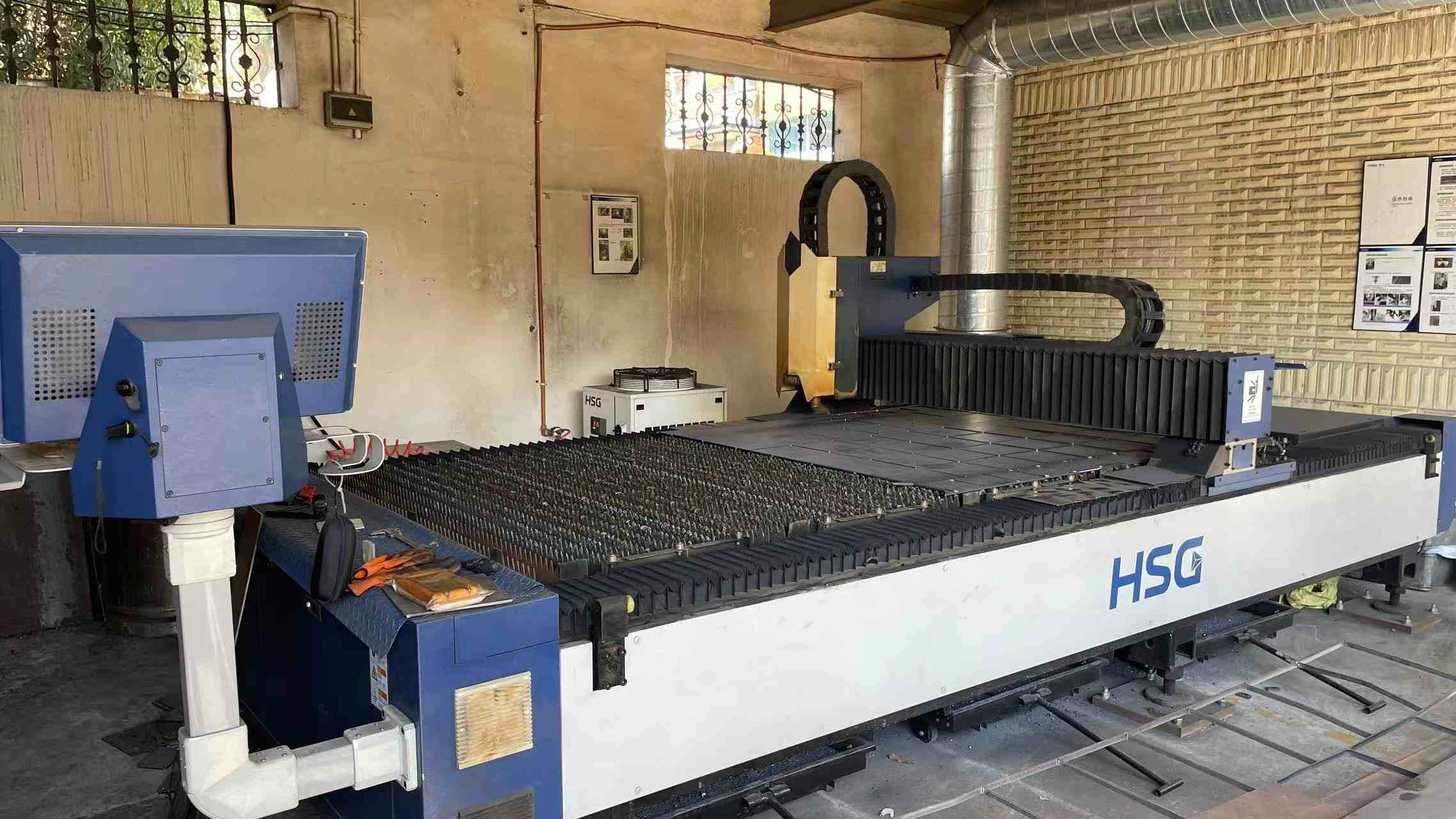
Build the motion system around the application.
Turn load, travel, speed, mounting, feedback, controls, power, cables and validation requirements into a practical engineering path — without forcing the project around one catalog configuration.
Start with the amount of change the application actually needs.
A custom project does not automatically require a clean-sheet design. Use the path selector to frame whether the existing platform already fits, needs interface changes, or needs a broader project-specific review.
Use an existing motion family when its envelope already matches.
Focus the review on exact operating point, mounting, control and system compatibility rather than redesigning the core architecture.
Open product selector →Keep mechanical motion, controls and connection details connected.
The hub routes deeper questions to specialist capability pages without turning one capability page into a duplicate product catalog.
Electric cylinder customization
Review stroke, thrust, mounting and project configuration for higher-load motion.
Review cylinder customization →Linear motion OEM / ODM
Evaluate the base platform, brackets, wiring, interfaces and product adaptation.
Review linear motion OEM / ODM →Multi-motor coordination
Define channels, coordinated motion, feedback strategy and reset behavior.
Review synchronization →Control-system OEM
Review custom button behavior, logic, enclosure, branding and connector interfaces.
Review control-system OEM →Power + cable customization
Align plugs, cable length, wire gauge, connectors, routing, labeling and packaging.
Review power + cable →Compatibility review
Check motion hardware, controls, power supplies and connection components together.
Review system compatibility →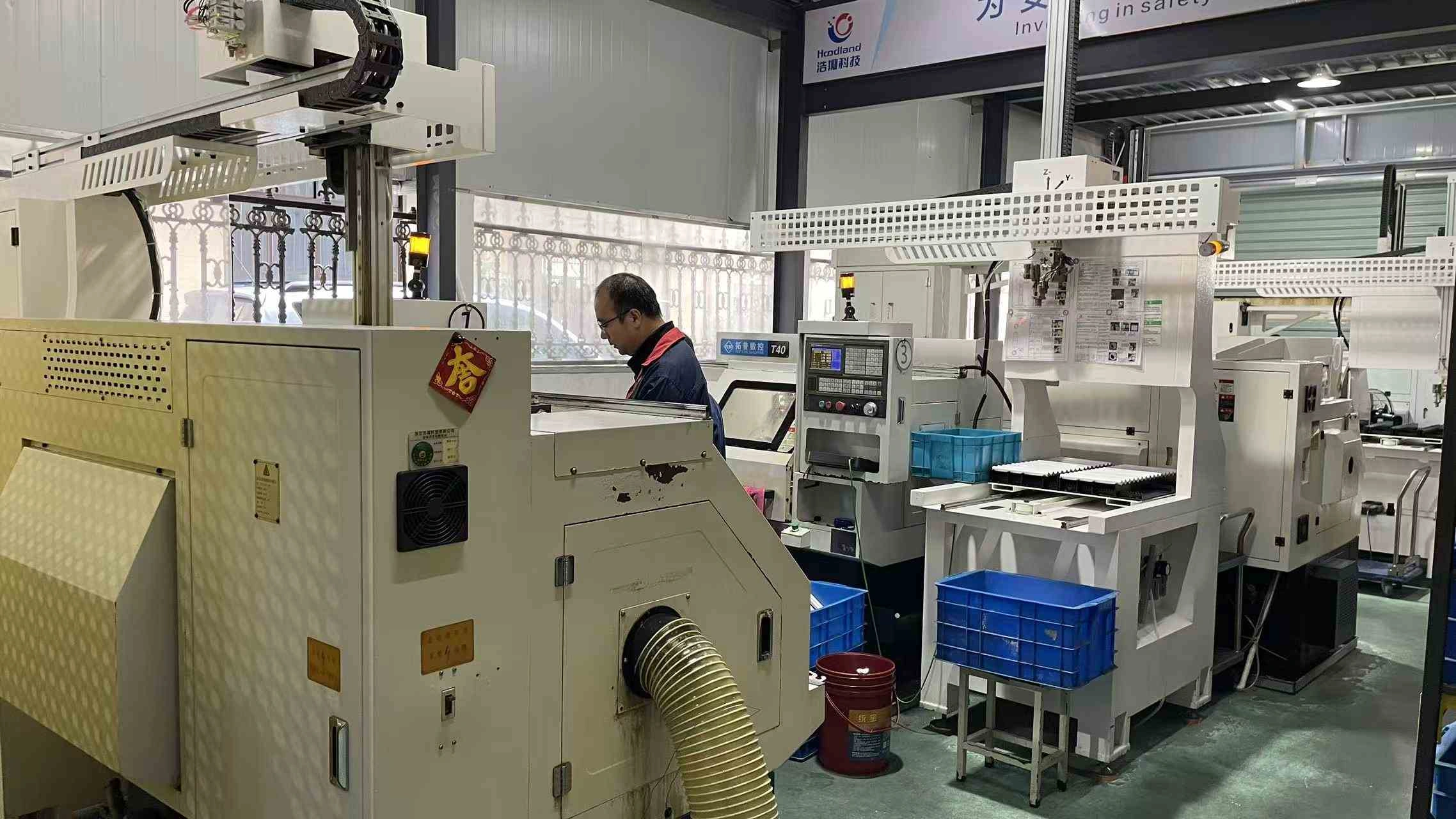
The handoff between disciplines is part of the design.
A technically correct actuator can still fail integration if mounting, feedback, control logic, power, connector or cable constraints are resolved too late. Review the interfaces as one system.
Move from requirements to production through explicit engineering checkpoints.
Select a gate to expose its job, the decision it should resolve and the evidence needed before the next stage.
Define the mechanism before choosing the hardware.
Review the application drawing, load profile, travel, speed, duty cycle, mounting, control method, feedback, power and environmental requirements.
Send the information that changes feasibility.
If some values are unknown, send the mechanism drawing and the performance target. The first review can focus on the missing inputs that materially affect the decision.
| Requirement | Useful information |
|---|---|
| Load | Push / pull load and any peak or changing load condition. |
| Travel | Required stroke and end-position needs. |
| Speed | Target loaded speed or cycle time. |
| Duty | Run / rest pattern or cycles per hour. |
| Space | Installation envelope and retracted / extended limits. |
| Mounting | Brackets, pivots, rod-end geometry or interface drawing. |
| Controls | Channel count, operating sequence and host interface. |
| Feedback | Limit, position or synchronization requirement. |
| Power | Available voltage and system power constraints. |
| Wiring | Cable length, connector, pinout or harness requirements. |
| Environment | Temperature, moisture, dust, vibration or other conditions. |
| Project | Sample quantity, annual volume and acceptance criteria. |
Freeze the right things only after the design and criteria are approved.
Prototype or engineering samples can confirm form, fit, motion behavior, wiring and control interaction. Validation should use agreed application criteria such as loaded operation, cycle behavior, control sequence, end positions, connector fit, thermal behavior or other project-specific checks.
Send your application requirements.
Load profile, stroke, target speed, duty cycle, mounting drawing, control requirements, power details, connector needs and expected annual volume give the review enough context to identify the next technical questions before quotation.
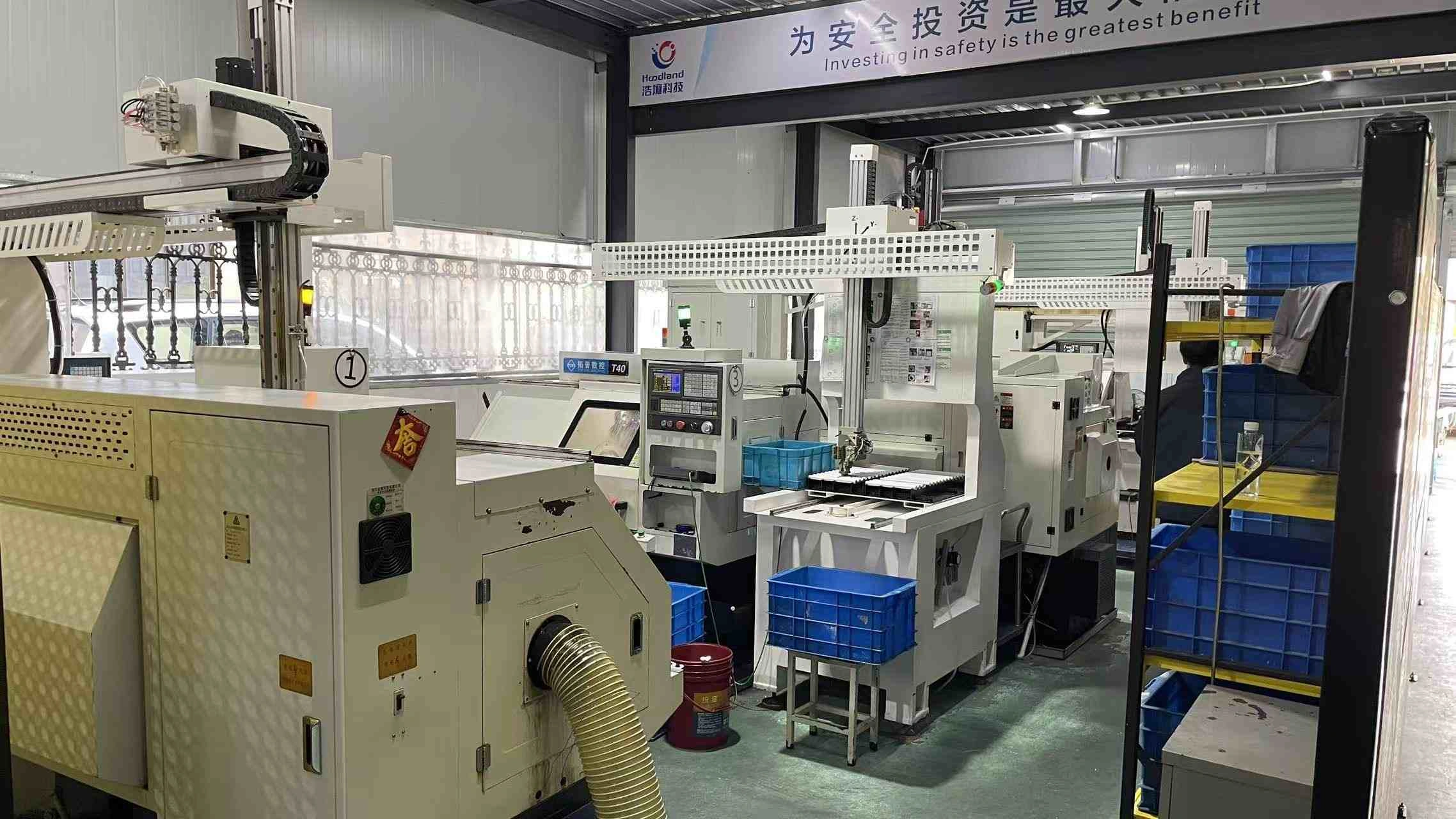
Custom does not automatically mean clean-sheet.
The project should use the lowest change depth that meets the application while keeping acceptance requirements explicit.
Do I need a completely new design?
Not always. If an existing platform meets the core mechanical requirements, modifying selected interfaces can be a more efficient path. The engineering review determines which level of change is appropriate.
Can controls be reviewed with the motion hardware?
Yes. Control logic, channel count, operating sequence, feedback, wiring and power should be considered alongside mechanical requirements when they belong to the same system.
Can cables, connectors and packaging be customized?
Local project data confirms customization work in cable length, connector selection, mounting hardware, labeling / branding and packaging areas. Exact availability depends on the selected project and hardware.
How should acceptance criteria be defined?
Use measurable application conditions wherever possible: intended load, travel, cycle, control behavior, interface fit and environmental checks that matter to the final machine or product.
Are all maximum specifications available in one configuration?
Do not assume independent maximum values can be combined. Final feasibility should be checked against the selected platform and actual operating conditions.