
Height-Adjustable Furniture Motion
For mechanisms that raise, lower, or reposition furniture structures, go to height-adjustable motion systems. Deeper system configuration belongs on that dedicated page.
Linear actuator applications begin with the motion your mechanism must perform. Use this hub to identify that motion, open the closest application path, and collect the engineering inputs needed before product selection.
ServoCylMotion keeps this page focused on navigation. Detailed system configuration, sizing, controls, compatibility, and product decisions stay on the relevant solution, product, or engineering-resource page.
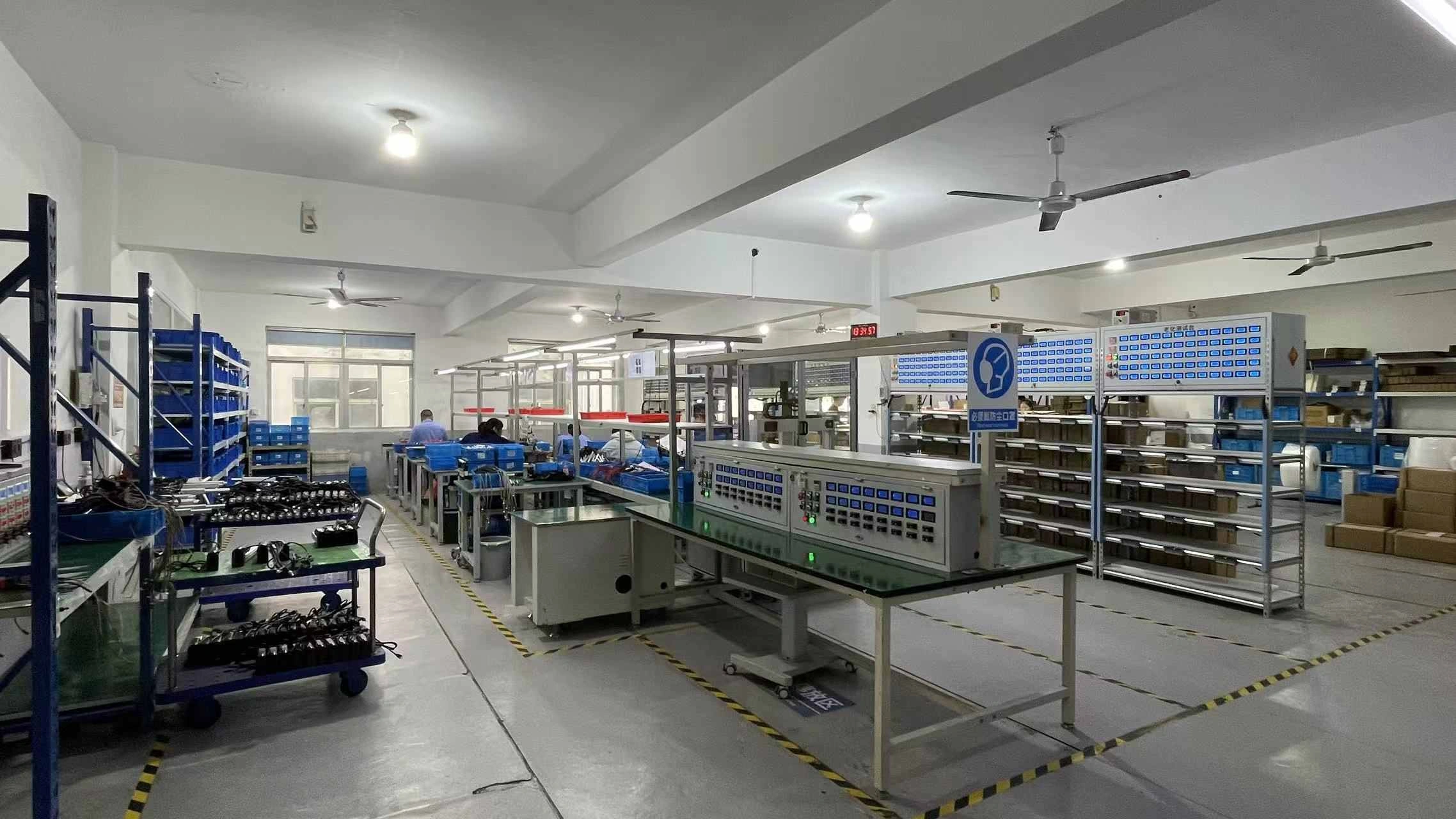
One mechanism can involve several of these motions. Define the complete movement before choosing a product family or requesting a model recommendation.
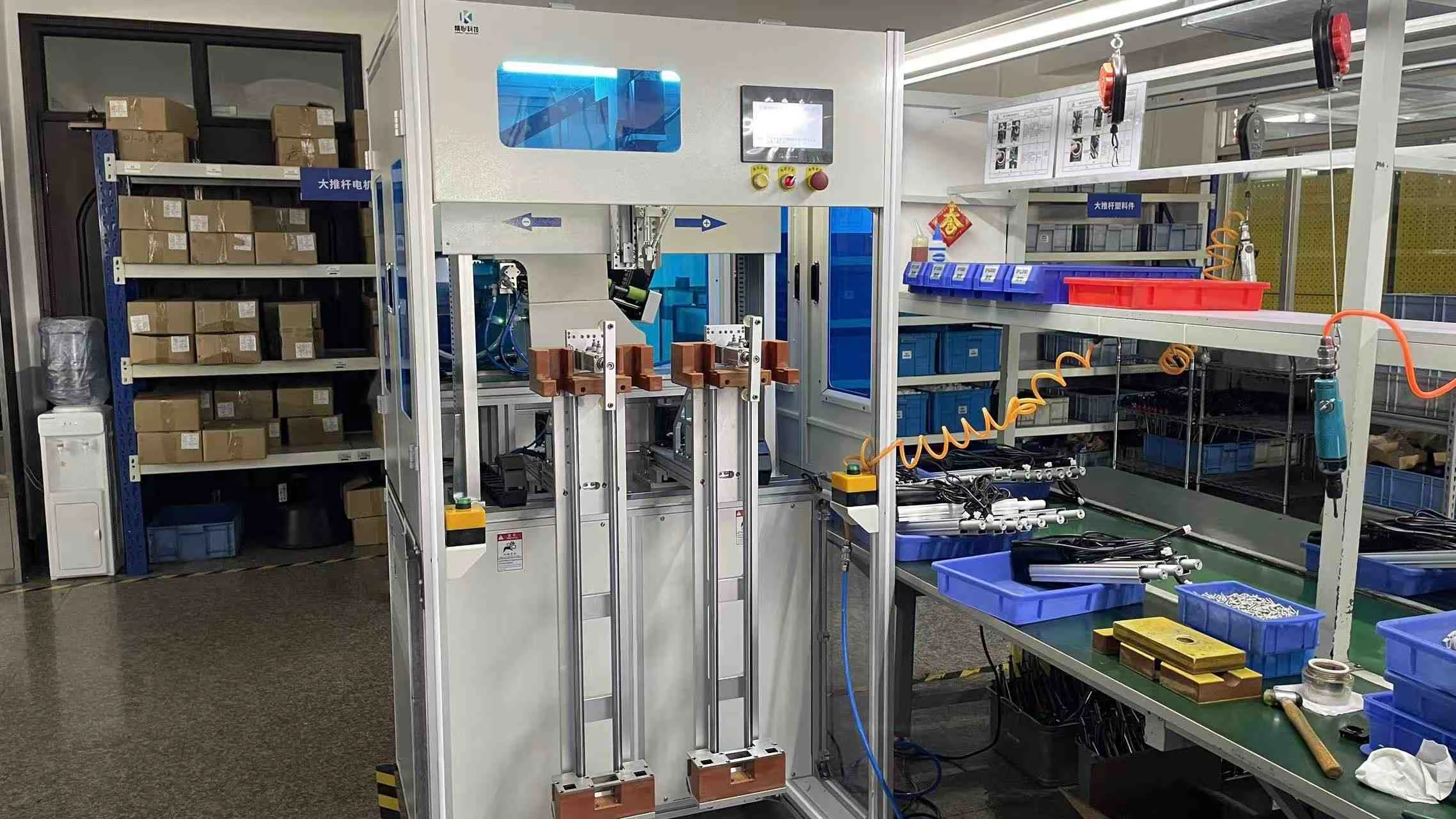
For mechanisms that raise, lower, or reposition furniture structures, go to height-adjustable motion systems. Deeper system configuration belongs on that dedicated page.
For pressing, lifting, positioning, indexing, and related machine functions, continue to automation and machine motion. Use that path when linear motion is one part of a larger machine, fixture, or automated process.
For products with multiple adjustable sections or user-controlled positions, explore multi-position comfort systems. Controls and system architecture remain downstream.
For mechanisms that raise, lower, reveal, conceal, or reposition display equipment, open AV lifting and concealment systems. Final selection still depends on the actual load, travel, packaging, and control requirements.
If none of these paths matches your mechanism, compare linear actuator product families or organize the requirements with the product selector.
An application name is useful for routing, but it does not establish an exact actuator match.
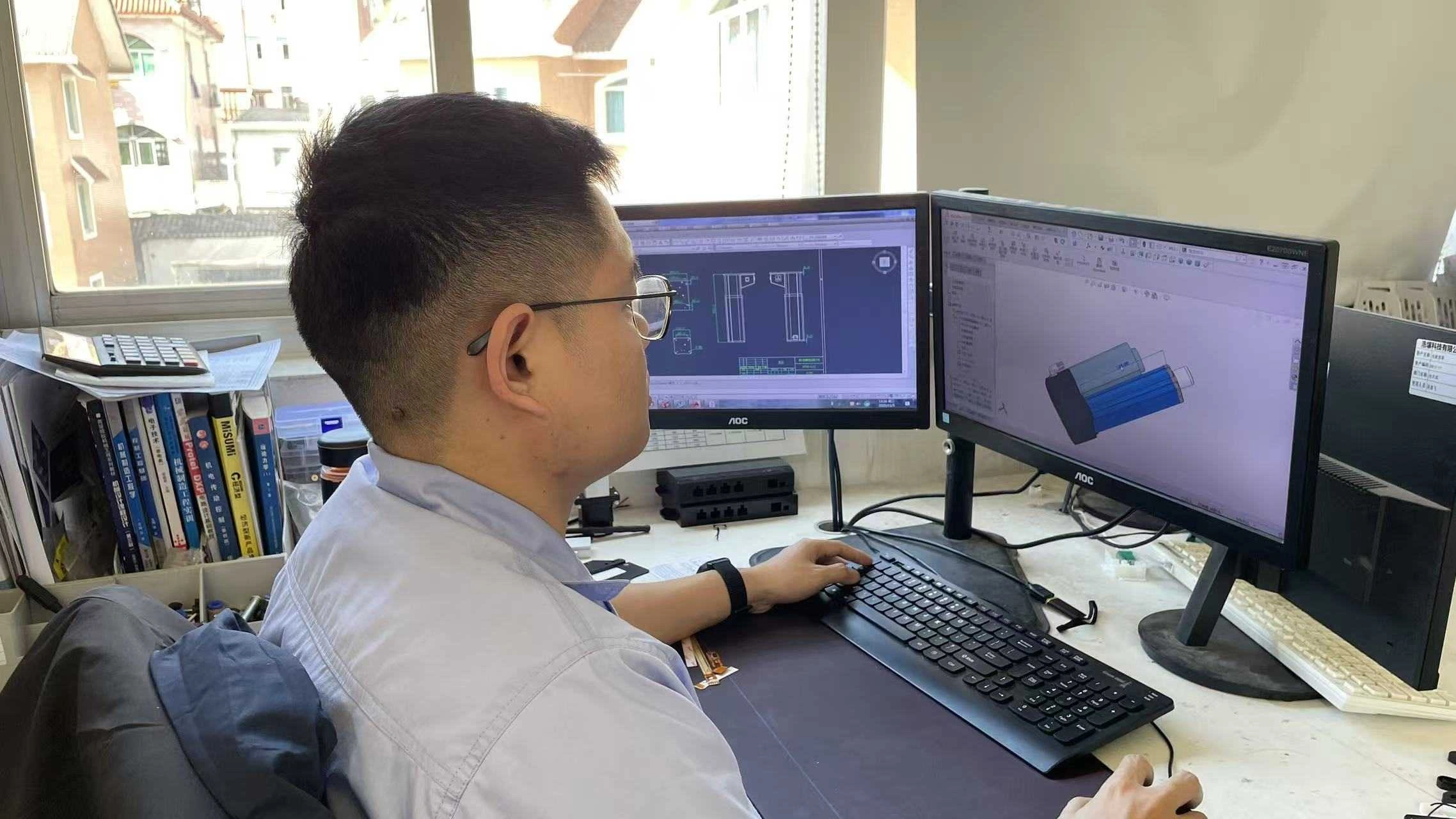
For preliminary calculations, use the actuator sizing resource. Treat the result as an input to engineering review, not automatic approval of a specific configuration.
An application path can narrow the search. It cannot independently confirm:
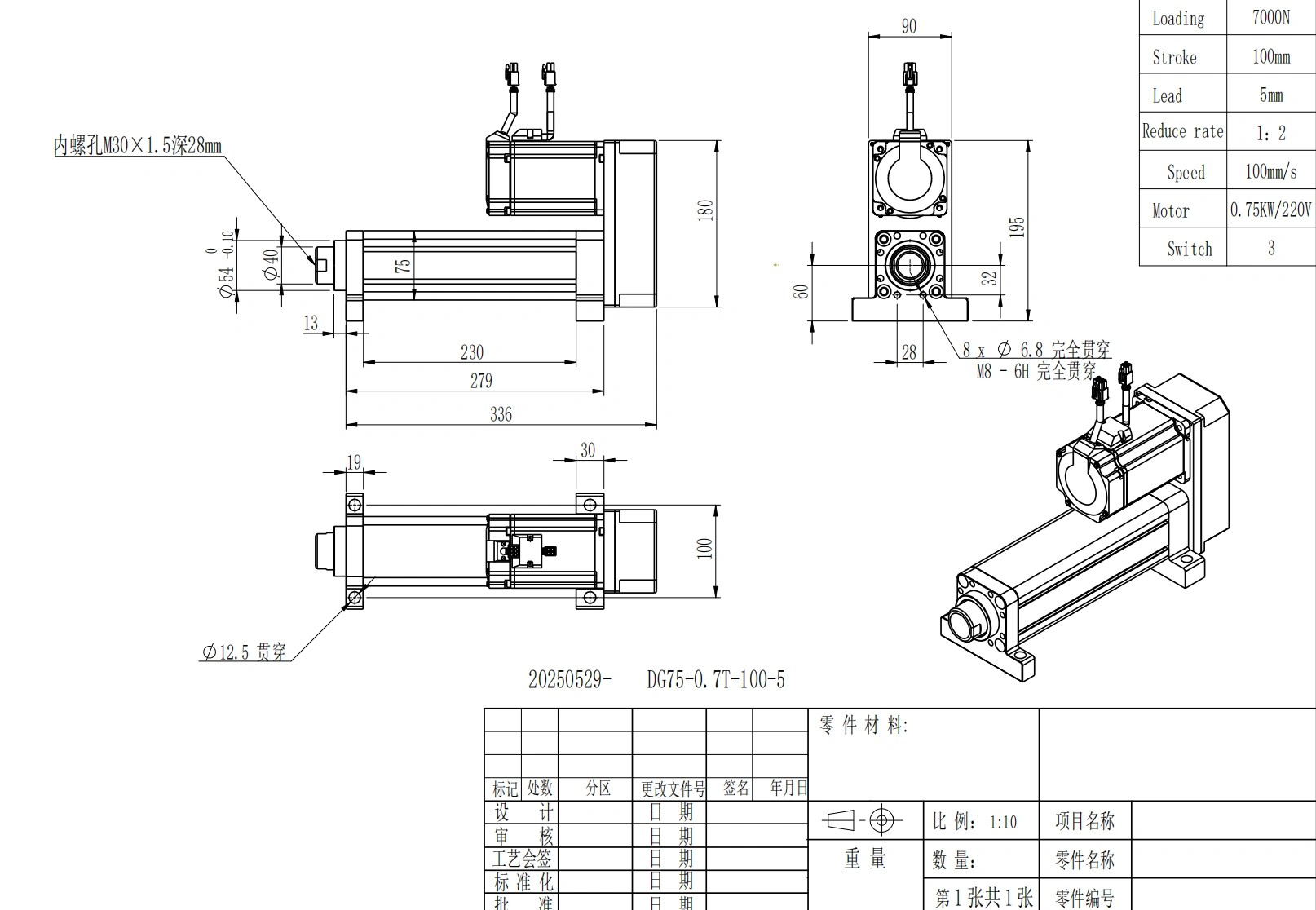
Those decisions require project-specific data and verified product documentation. A mechanism drawing with mounting points, load direction, travel, speed, duty pattern, available voltage, environment, and control method is the strongest starting point for review.
They are mechanisms that use controlled straight-line movement to lift, lower, push, pull, slide, tilt, position, open, close, clamp, press, or adjust a load. The application name identifies a path; the final selection depends on the motion requirements.
Start with the motion and mechanism geometry. Then define load or force, travel, loaded speed, duty cycle, environment, mounting, electrical supply, and control requirements. Open the path that best matches the mechanism and keep detailed selection downstream.
No. An example describes a motion pattern or solution category. Exact selection requires the real operating point, dimensions, environment, controls, and compatibility review.
Not necessarily. Linkages, pivots, mounting positions, and lever arms can make actuator travel different from the visible movement of the load. A dimensional drawing or sketch helps establish the relationship.
Feedback becomes relevant when a system must know position, stop at intermediate locations, coordinate multiple axes, or operate in a closed-loop control scheme. The feedback signal must also match the controller architecture.
Send a mechanism drawing or sketch with the load, travel, loaded speed, duty pattern, mounting points, environment, available power, feedback/control requirements, and expected quantity. For an unlisted application, contact ServoCylMotion with those inputs.
Open the application path that best matches your mechanism, then validate the engineering inputs before selecting a product. If the project is still at the requirements stage, use the product selector to organize the information for review.
Fill out the form below, and we will be in touch shortly.