

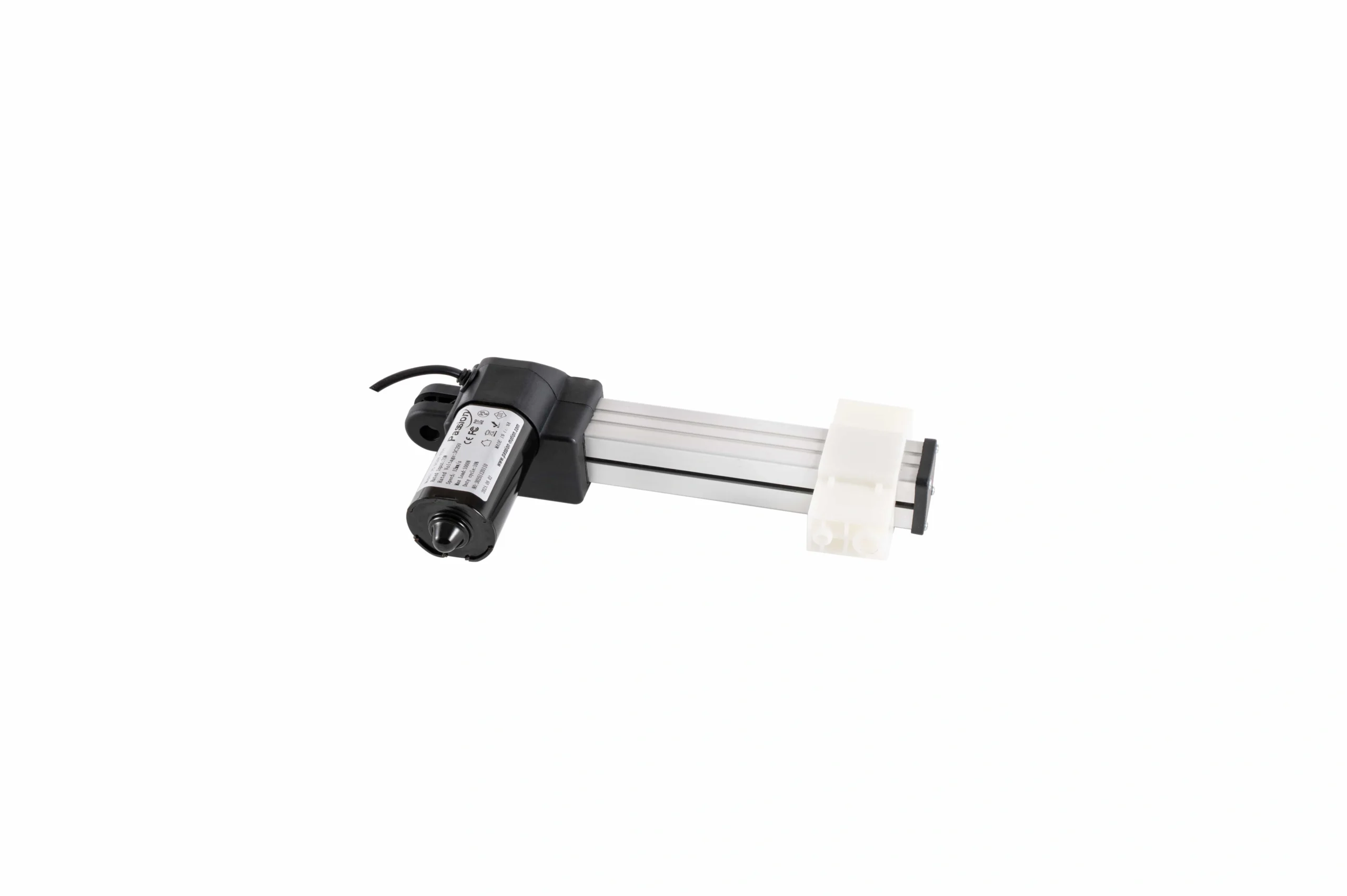
Linear Actuators
Start here when the project begins with a linear-motion requirement and the actuator family still needs to be narrowed.
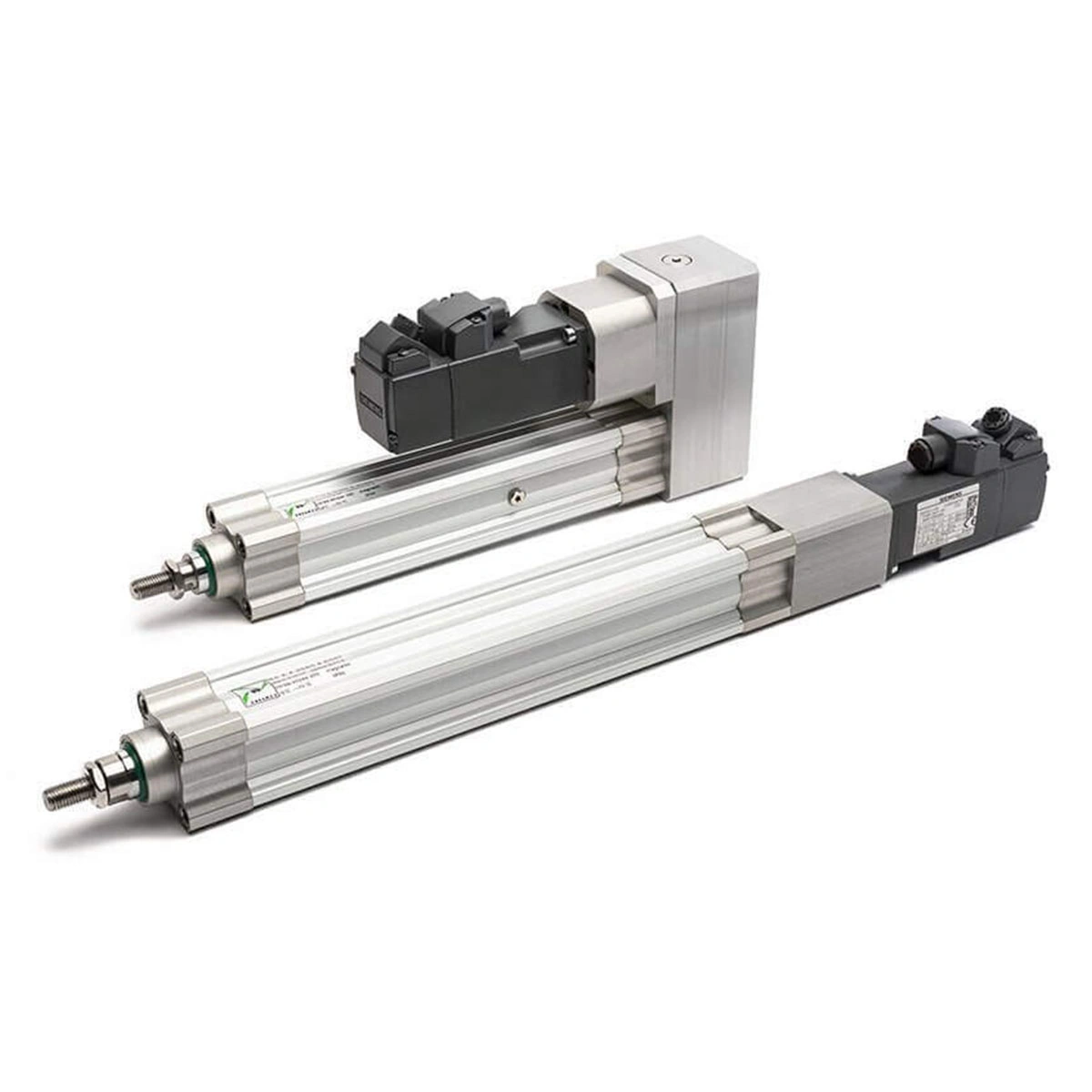
Electric Cylinders
Move into the dedicated cylinder category when the project calls for an integrated electromechanical cylinder format.
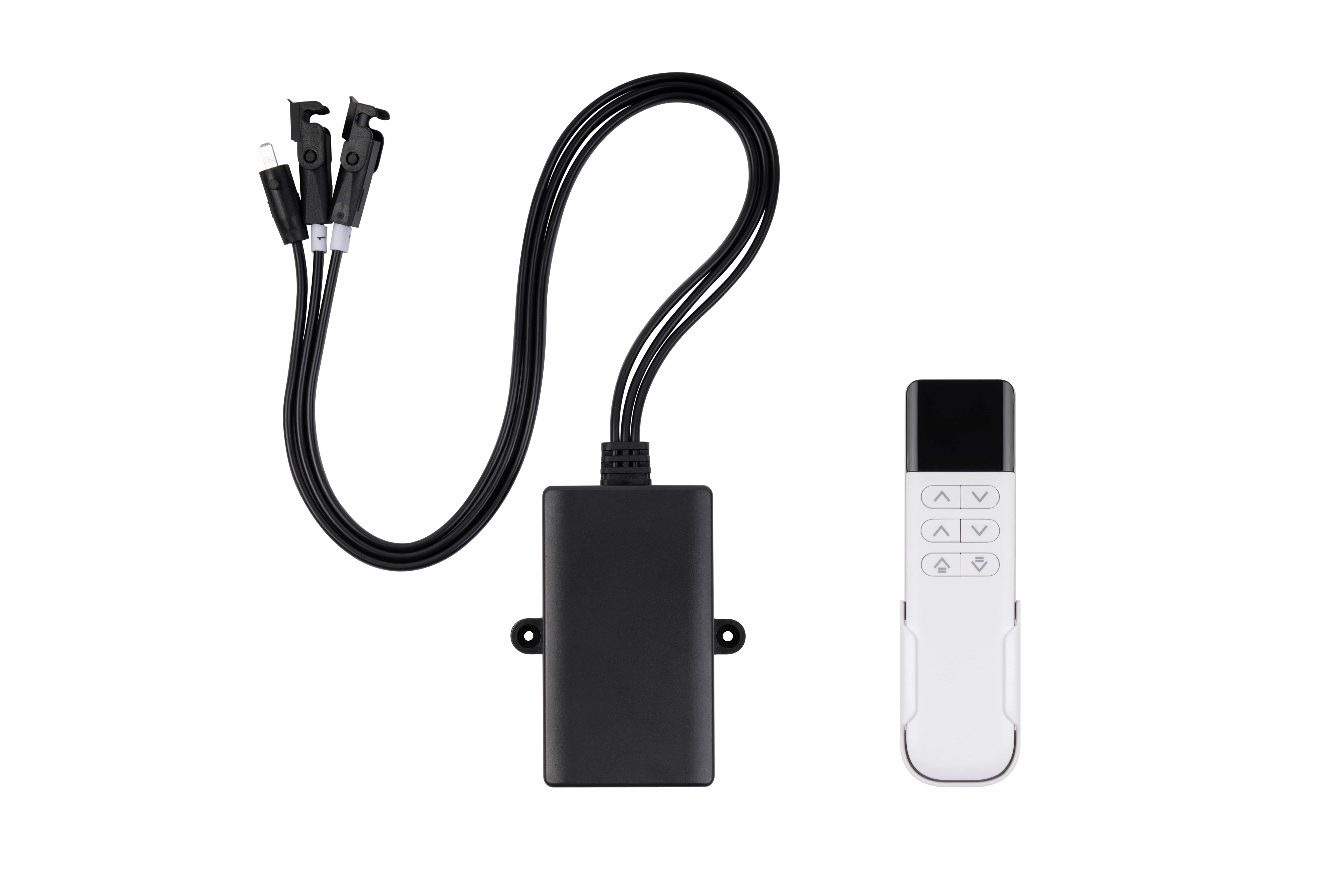
Wireless Motor Controllers
Review wireless controller options when the motion system needs a dedicated remote-control path.
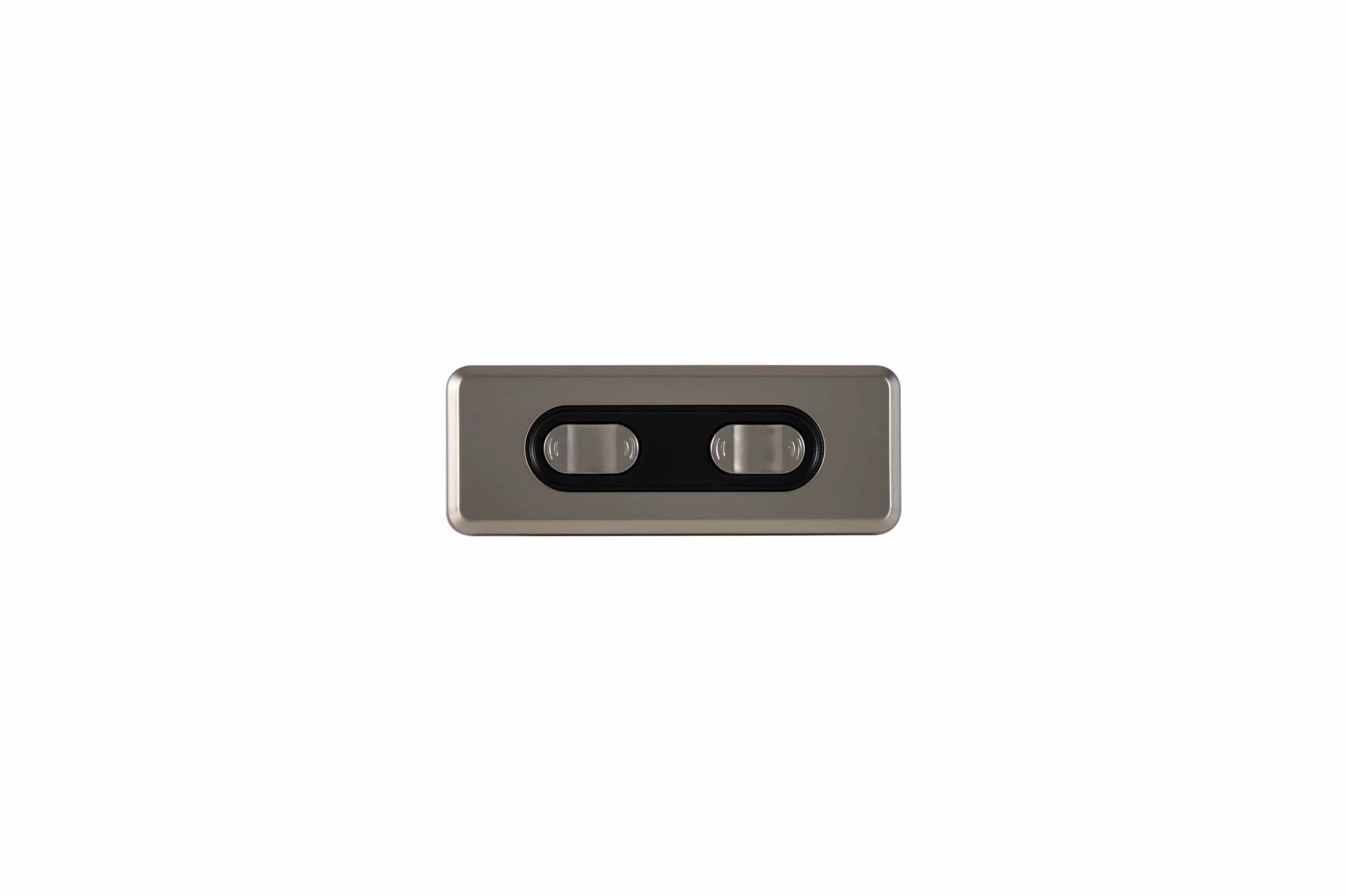
Embedded Control Panels
Use the embedded-control route when a panel or built-in interface is part of the equipment architecture.
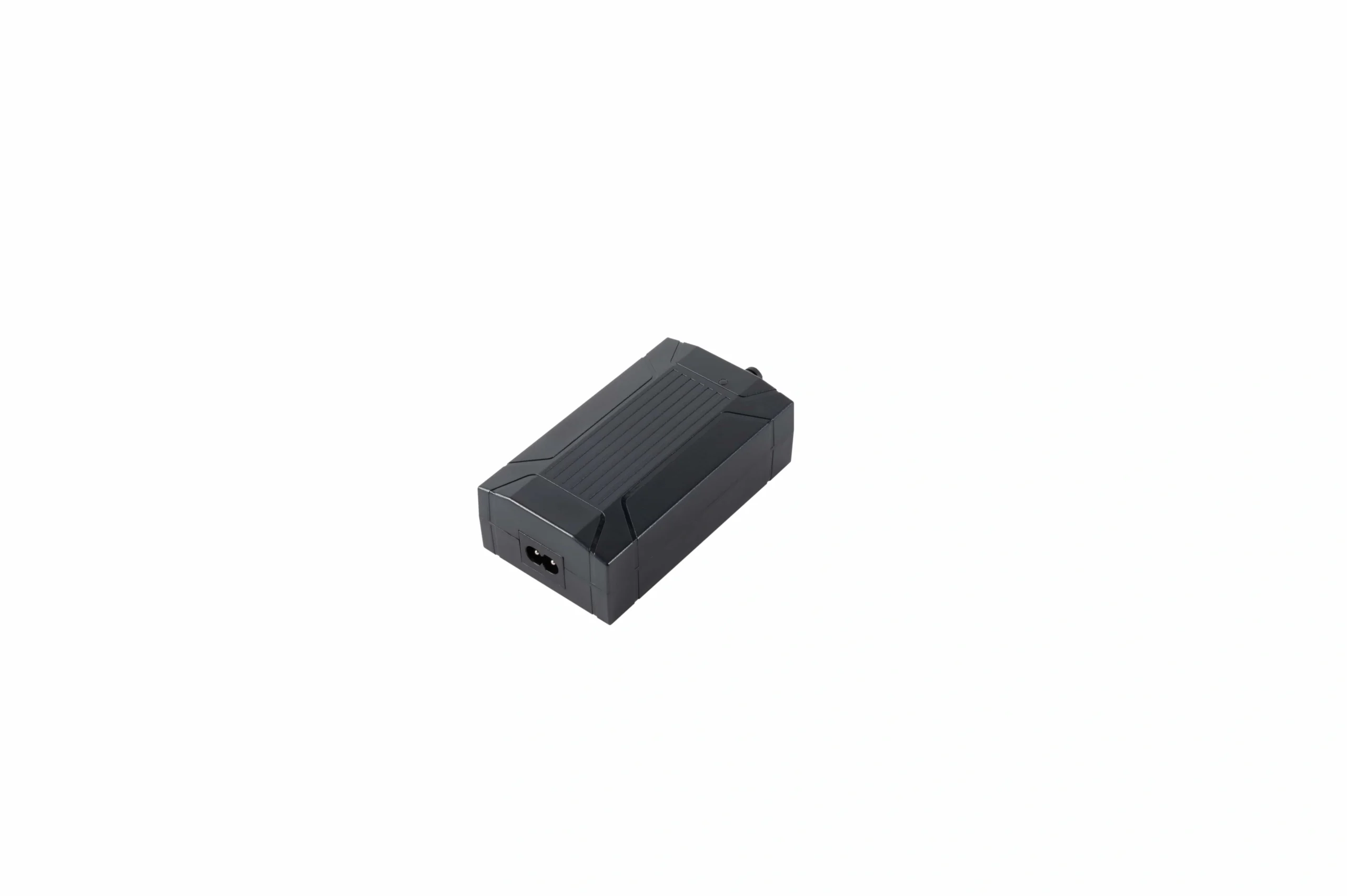
29V Power Supplies
Review power-supply options as a separate system component when voltage and connection requirements matter.
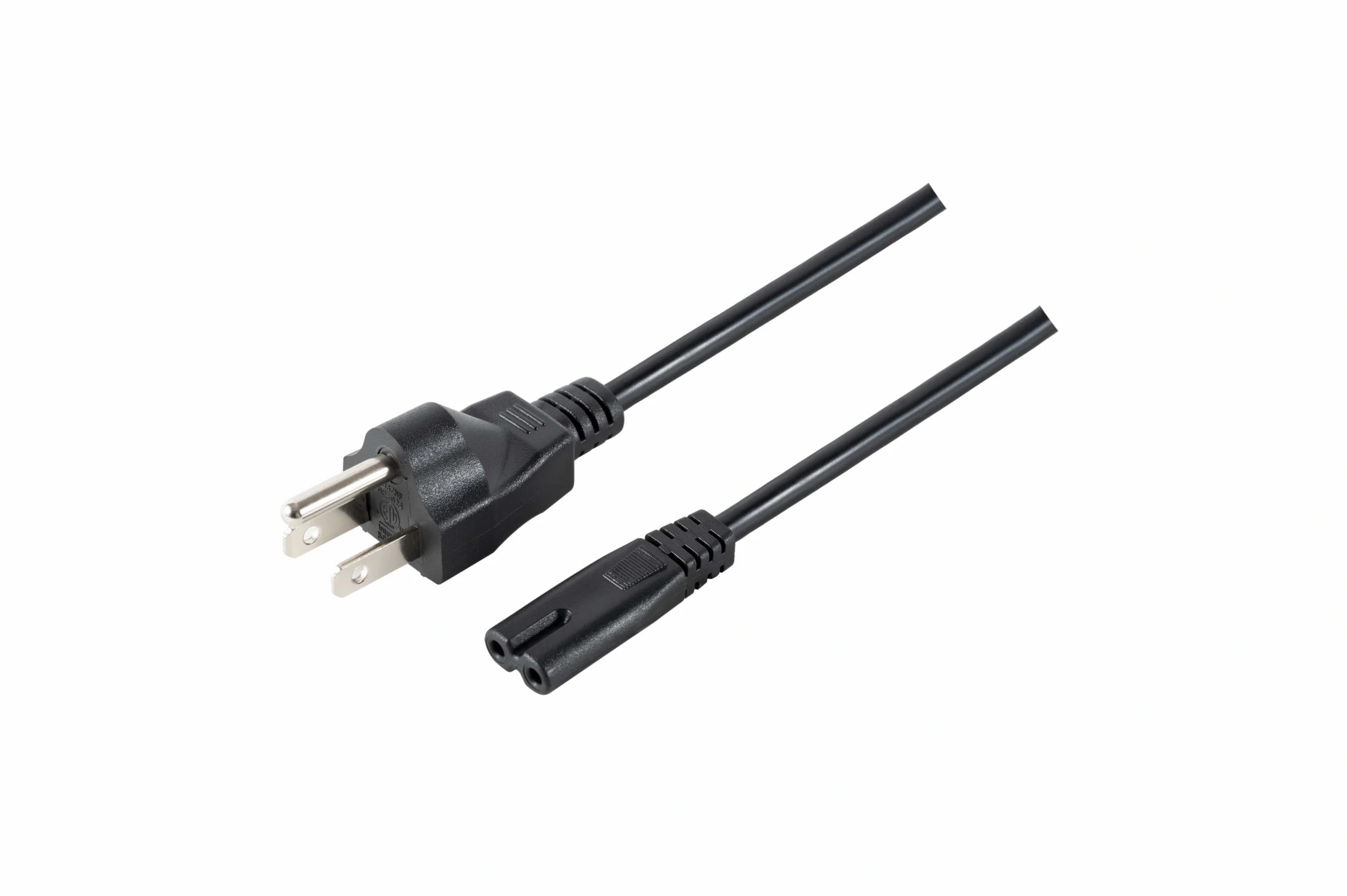
Power Cords
Use the connection category when cable and cord configuration needs its own review alongside the motion hardware.
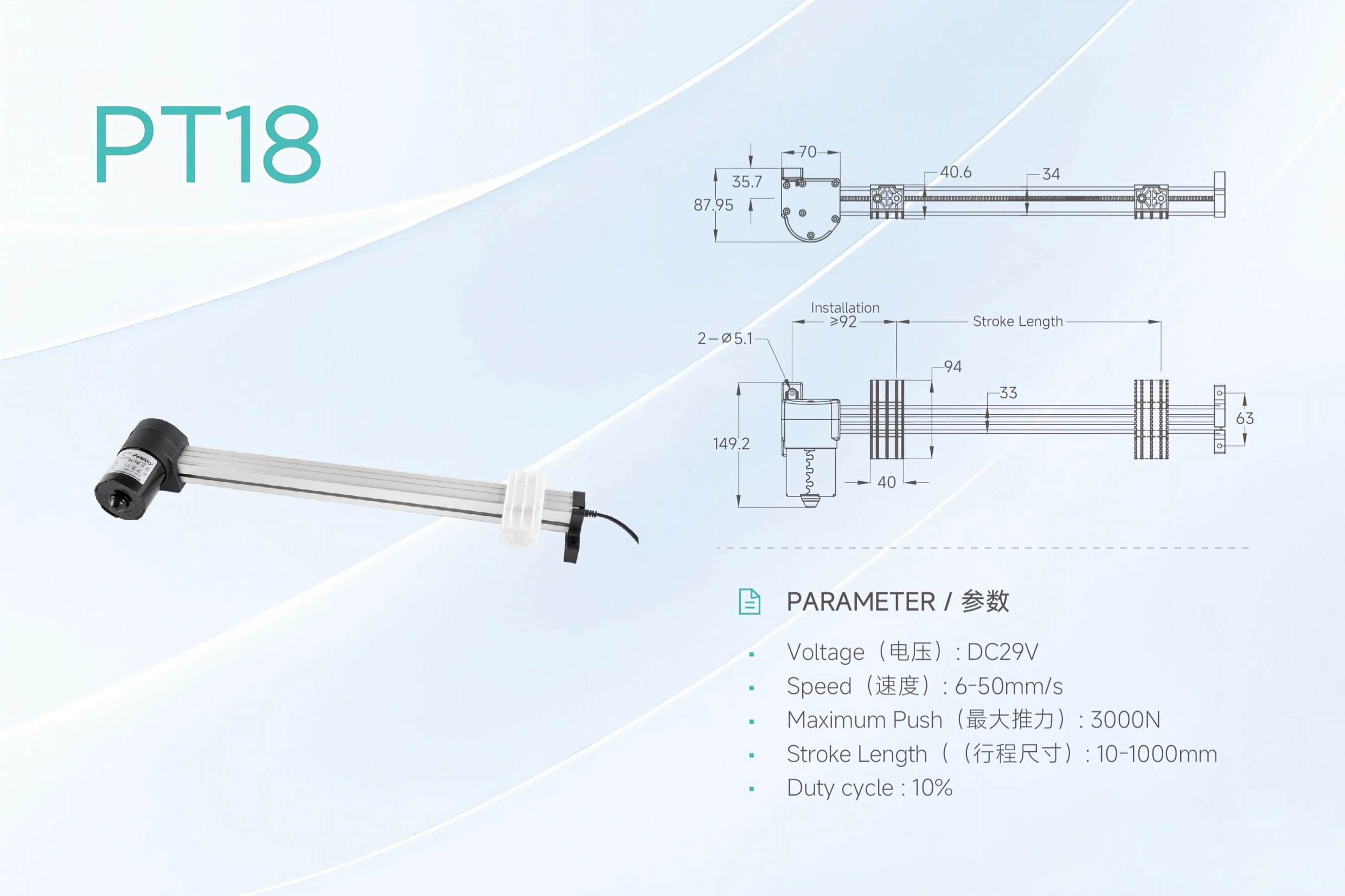
Product Selector
Use the selector for an initial product direction when the application requirements are partly known.
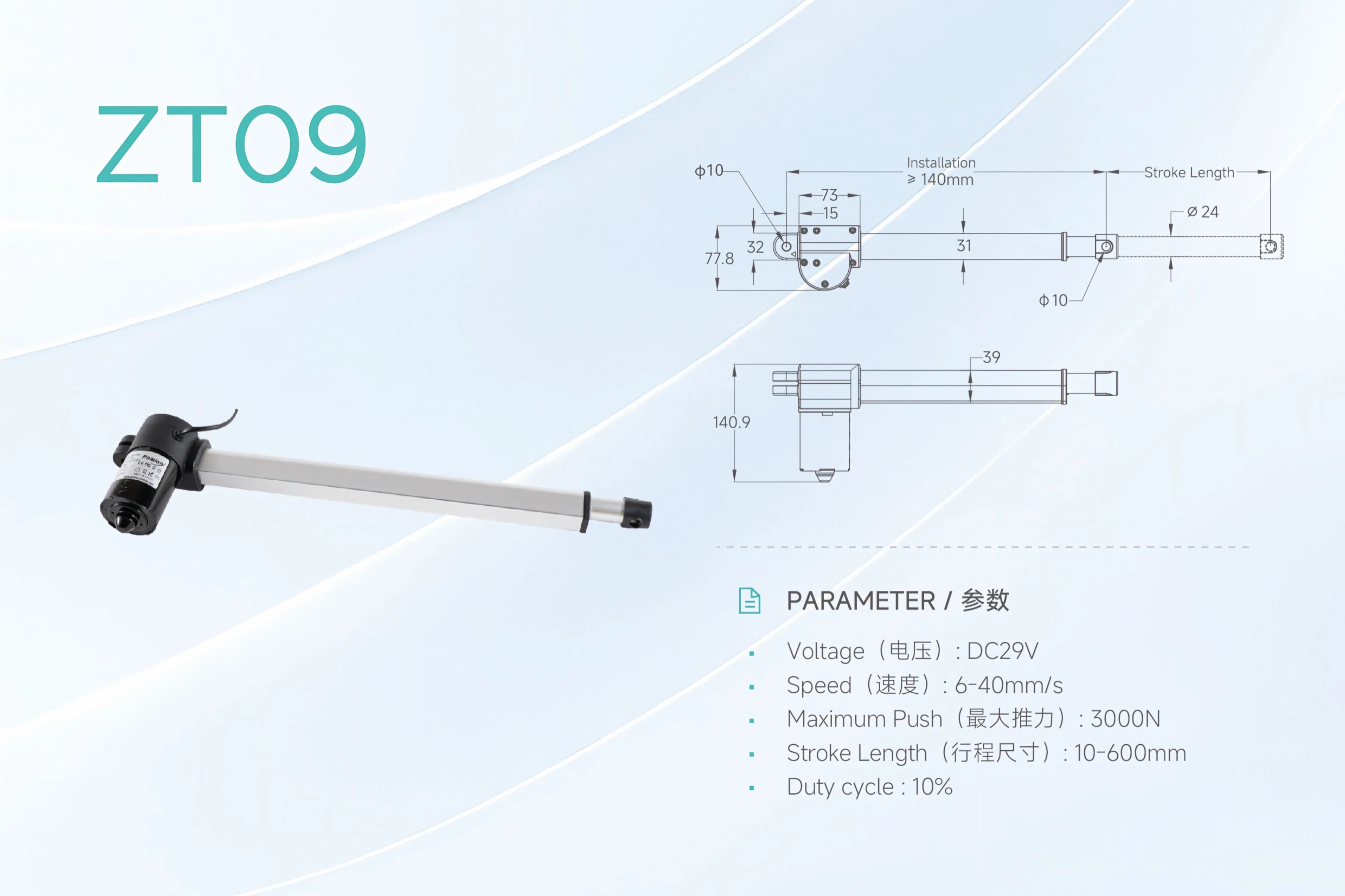
Sizing Guide
Organize load, stroke, speed, duty, environment, mounting, and related selection inputs.
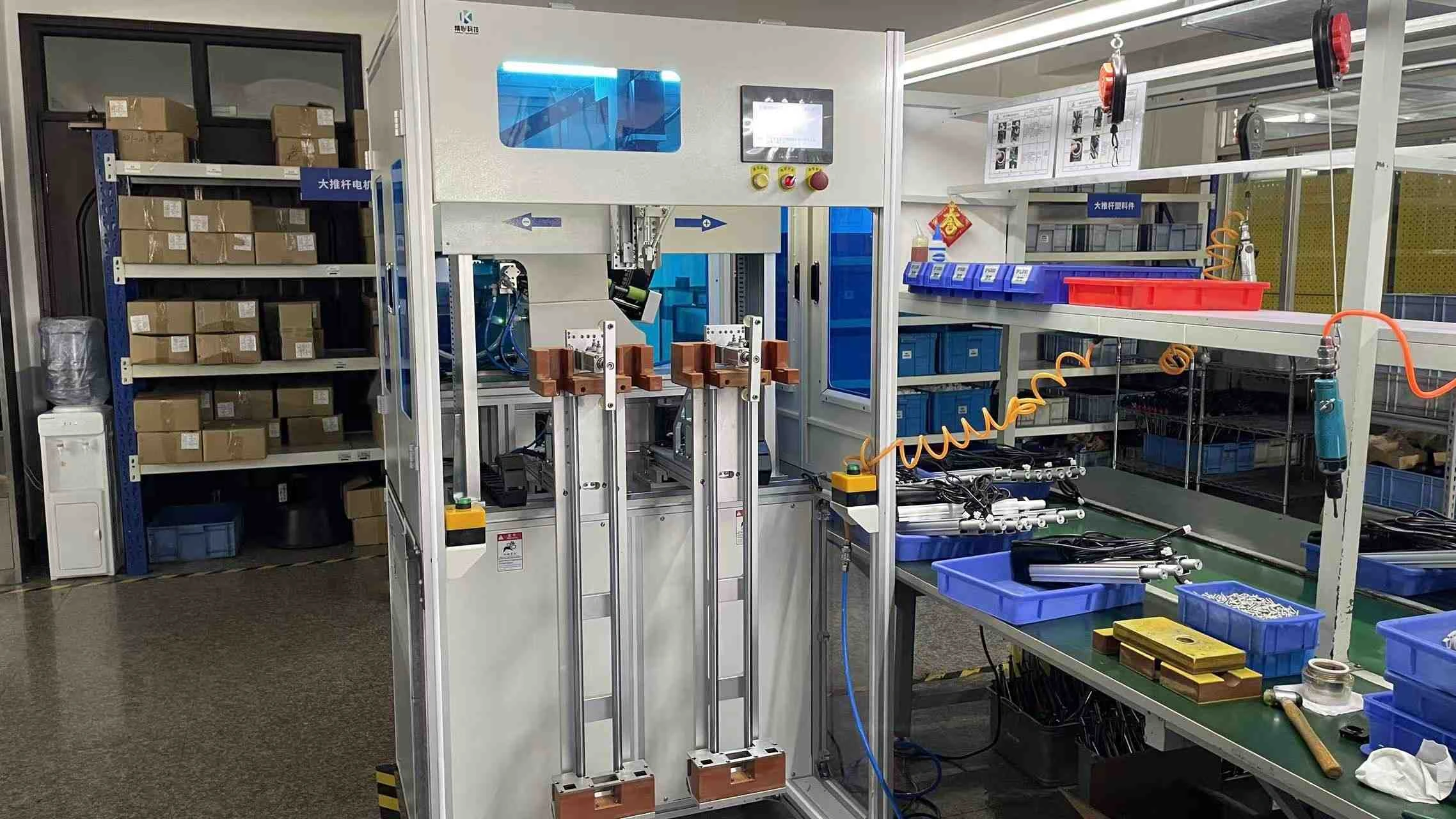
CAD & Datasheets
Move into drawings and product documents when geometry and technical details need to be checked.
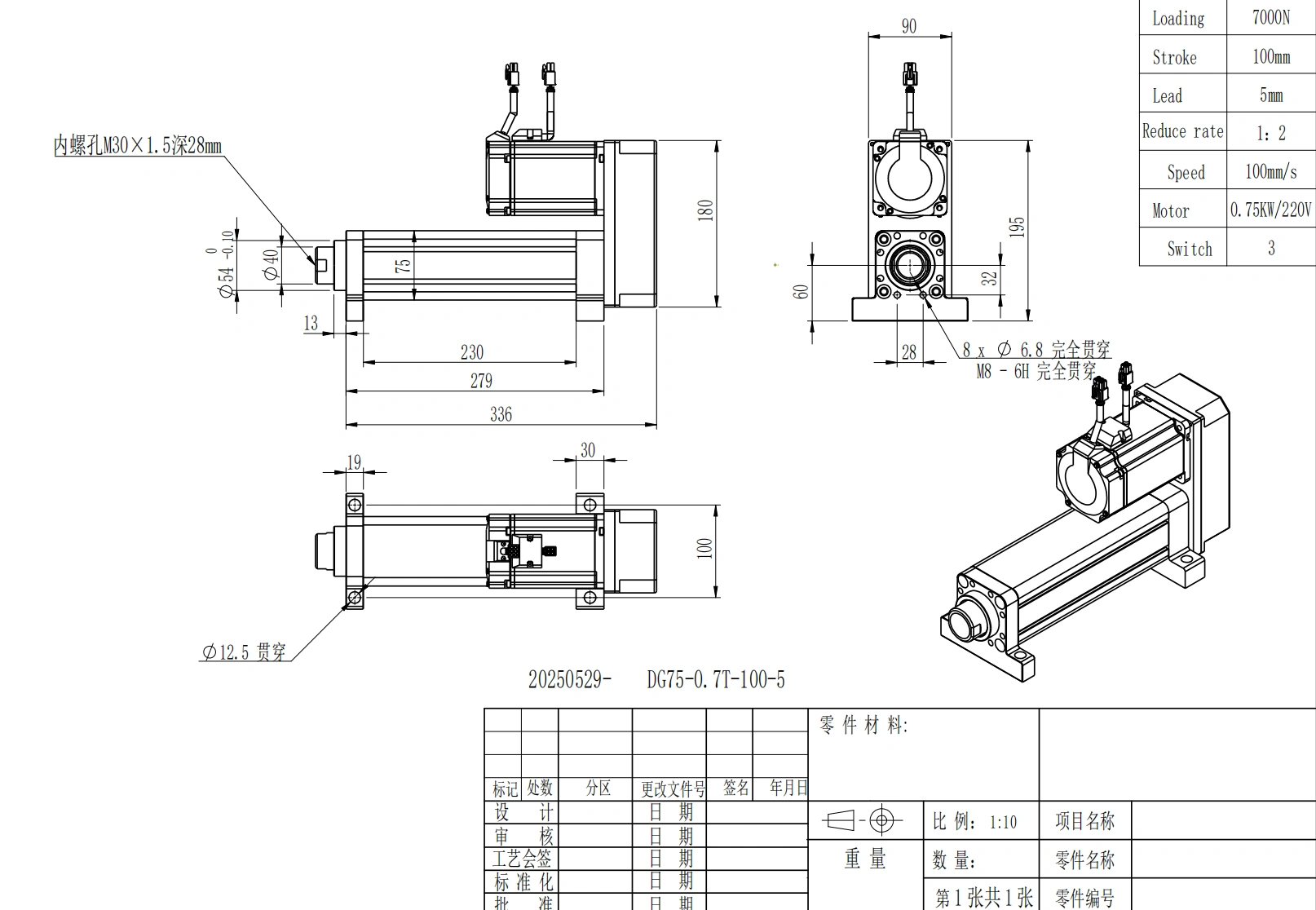
Technical Documentation
Use the documentation area for broader technical reference material beyond one product drawing.
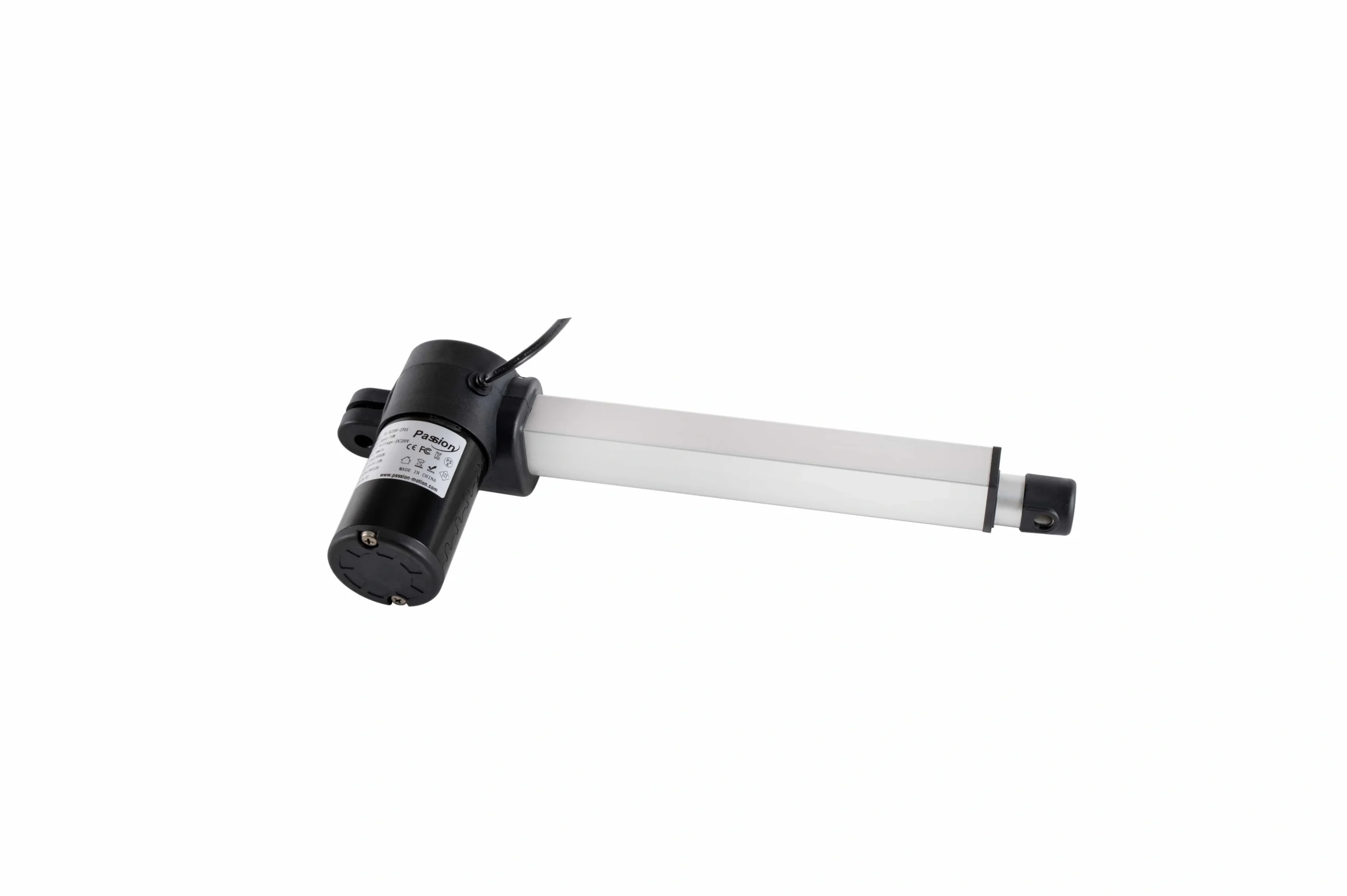
System Compatibility
Review integration questions when multiple components, interfaces, or system choices must work together.
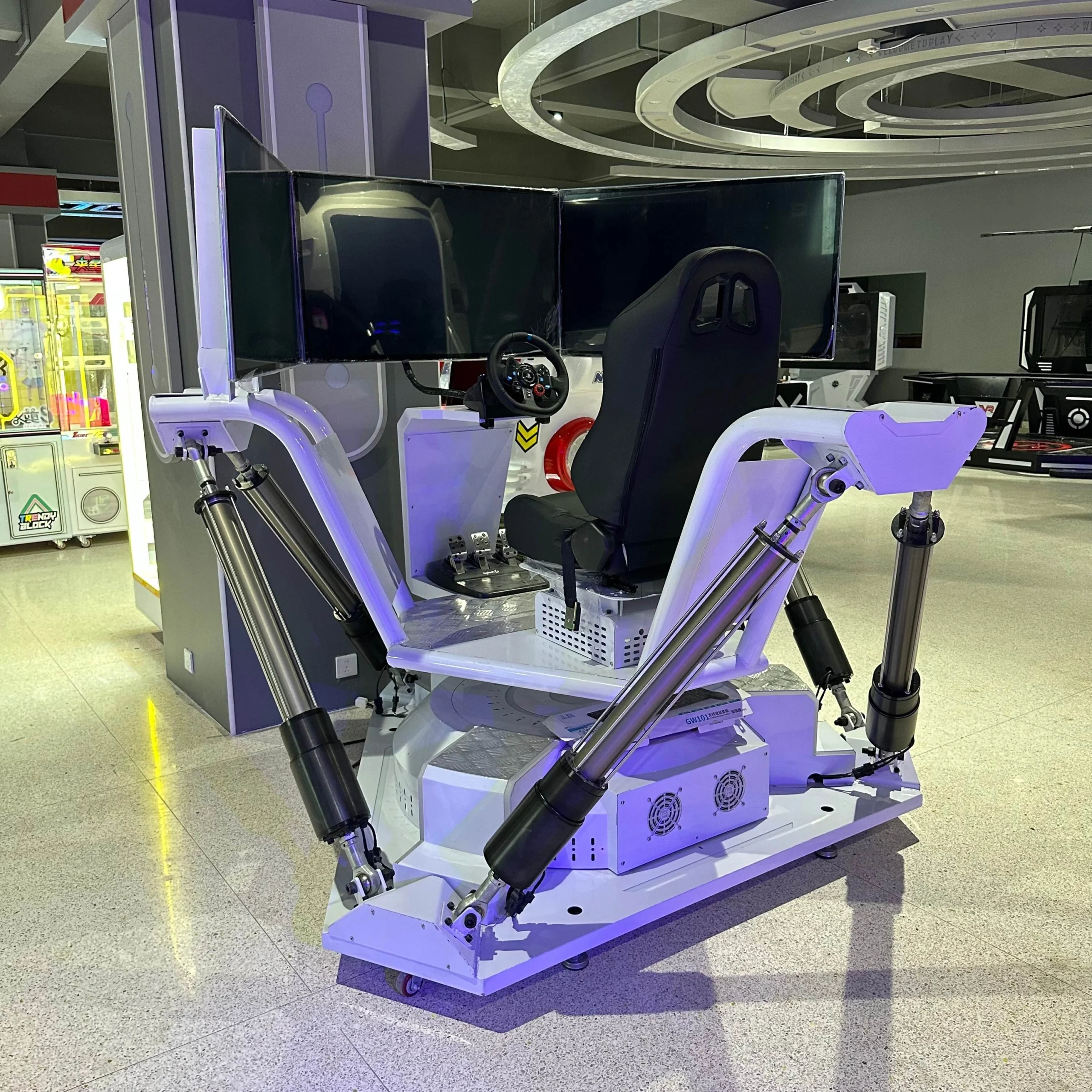
Certification Support
Review published certification-support scope and evidence boundaries for project approval work.
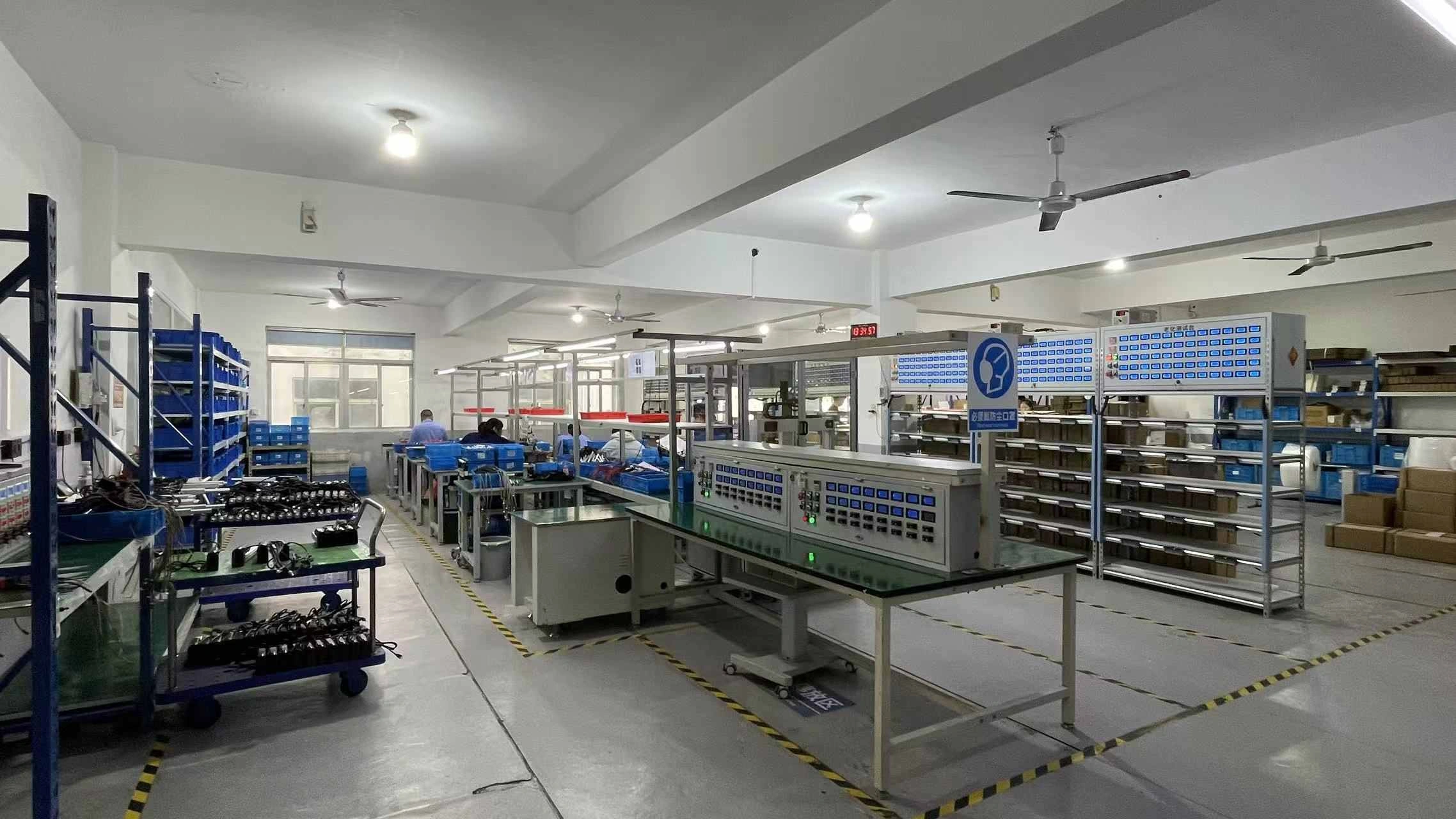
Start from the use case
Explore by Application
When the machine or use case is clearer than the component choice, start with the application and then move into the relevant products and engineering resources.
Explore IndustriesManufacturing, Quality & Documentation Evidence
Industrial project approval can require more than product fit. Review the published manufacturing, quality, and certification-support information that applies to your project.
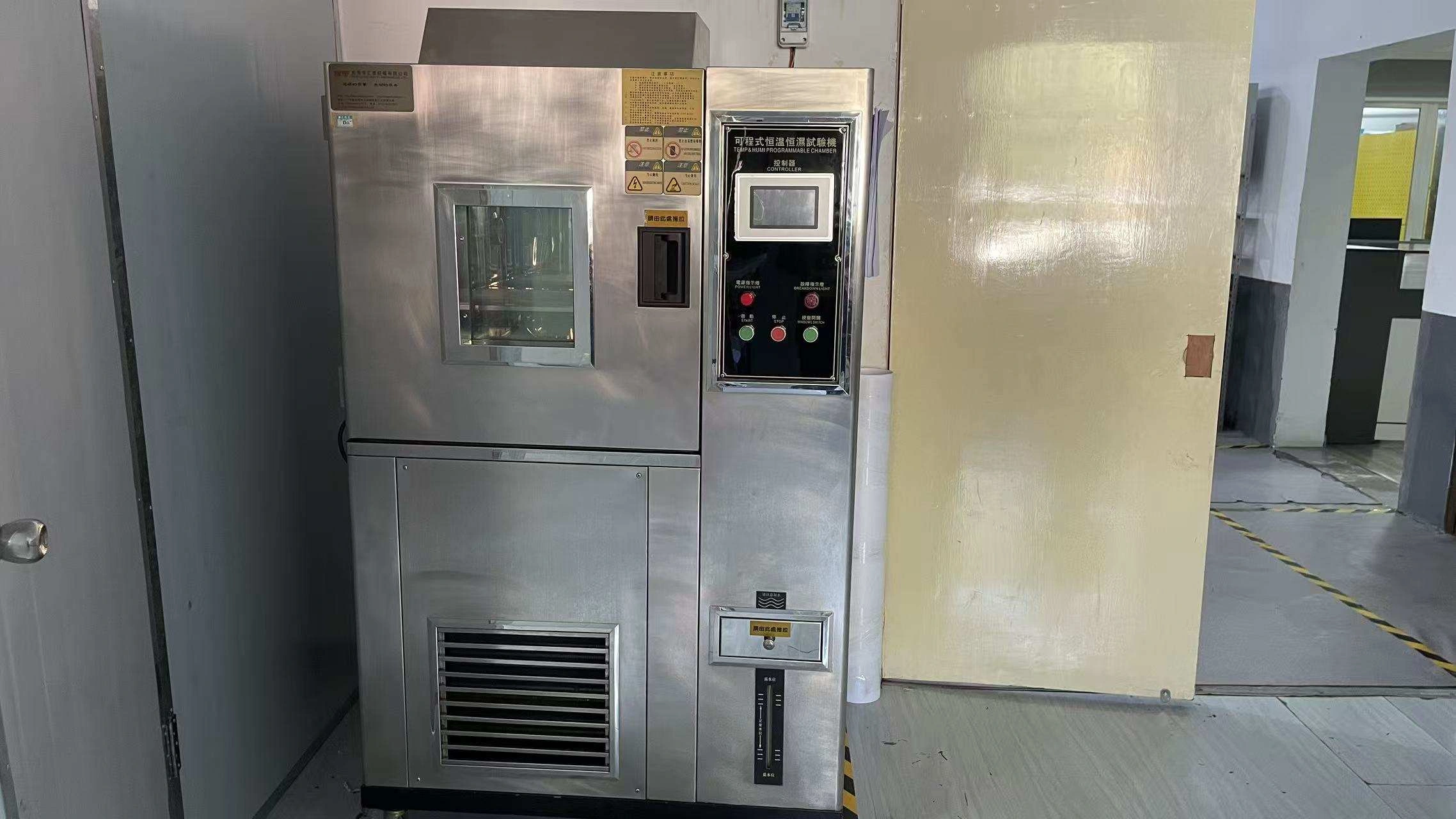
Factory and inspection context
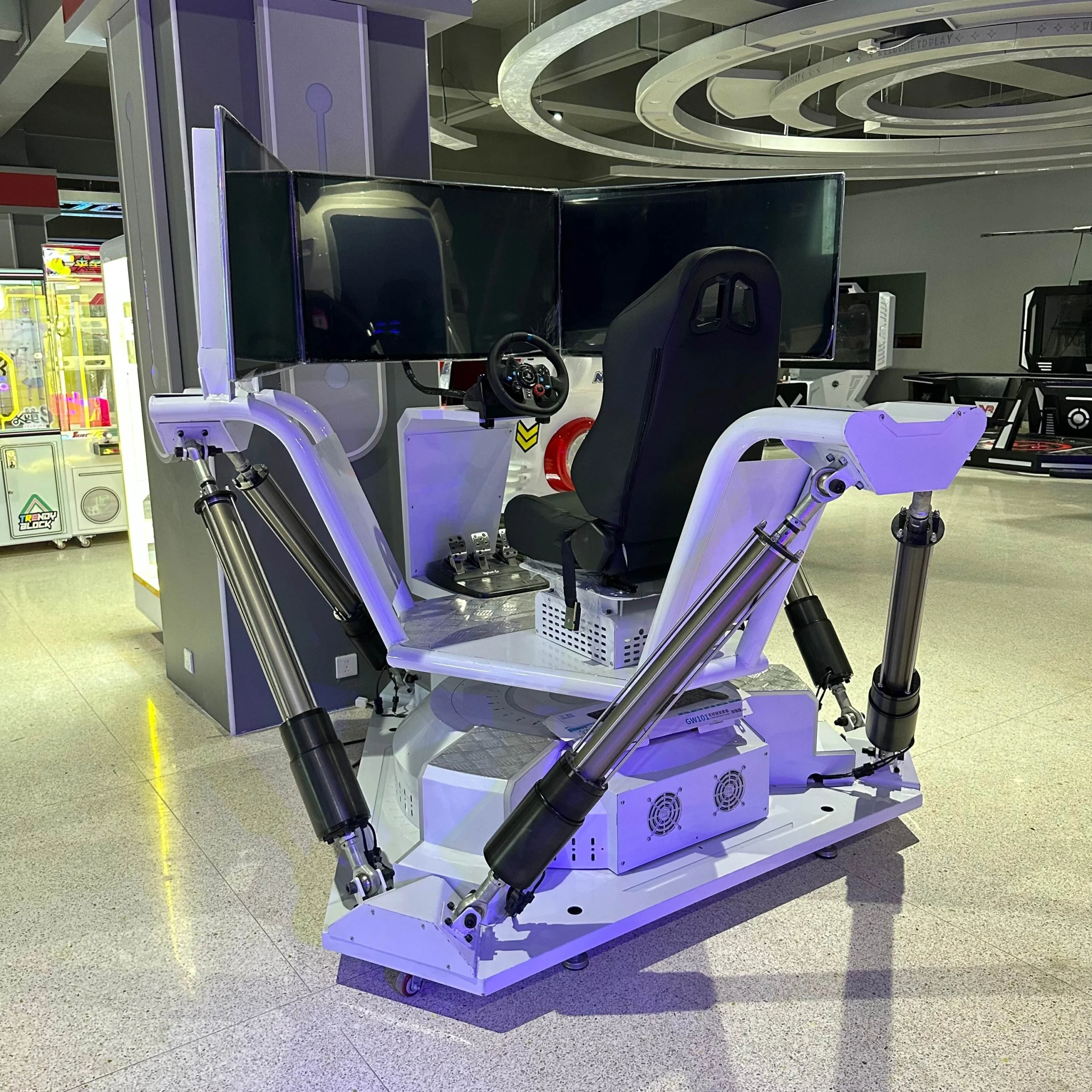
Linear Actuator Duty Cycle: Thermal Limits, Load, and Sizing for Industrial Applications
Learn how to calculate linear actuator duty cycle and verify load, continuous run time, ambient conditions, powered holding, and cooling before selection.
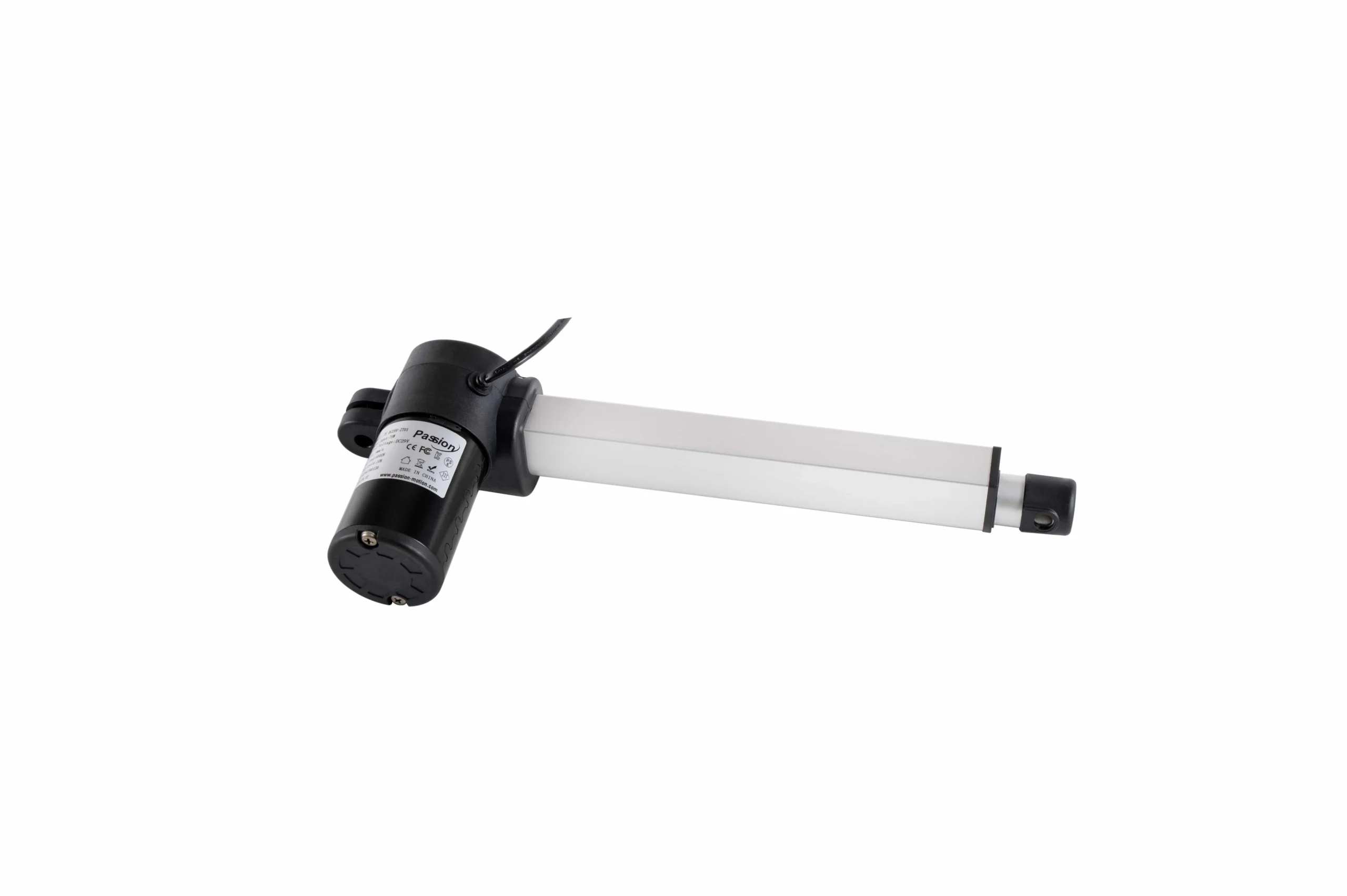
Motor-Driven Linear Actuators: Definition & Working Principle
Learn how a motor, gearbox, screw, nut, rod, controller, limits, and feedback work together to create controlled straight-line motion.
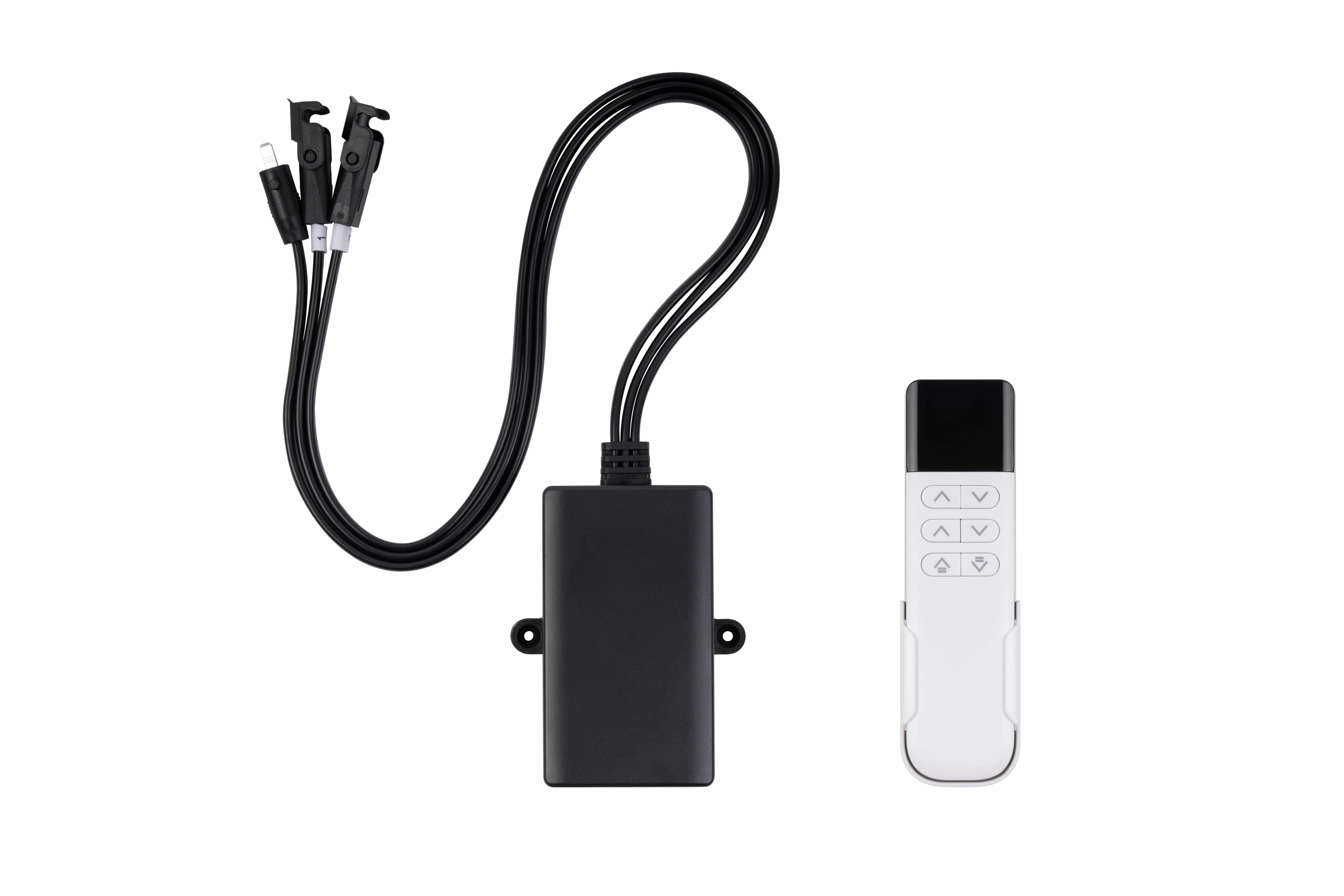
Wireless Actuator Control: RF, Bluetooth, Wi-Fi, and Industrial Options
Compare RF remote, Bluetooth, Wi-Fi and industrial wireless actuator control by pairing, infrastructure, range, link loss, channel behavior and safety boundaries.