

Electric Actuator Technical Documentation for Buyer Review
Electric actuator technical documentation is most useful when a buyer can connect each document or record to the exact actuator, configuration, revision, and approval decision. A large file set does not remove that need. Engineering, supplier-quality, and procurement teams still need to know what is current, what is preliminary, what records a completed activity, and what evidence applies to the quoted or supplied configuration.
Useful for review, not yet the release baseline.
Confirm the intended configuration and treat dimensions, interfaces or acceptance values as provisional until the document is formally released.
Check identity, revision and exact applicability.
A released drawing or specification is stronger evidence only when it matches the model, options, project and effectivity under review.
Read the conditions behind the result.
A test or inspection record should identify the article, method, conditions, criteria, actual result and traceability context.
Keep history for traceability, not as the current working revision.
Use superseded information only to understand earlier decisions or change history, never as an unqualified current baseline.
This page frames those review questions for ServoCylMotion projects. It complements the broader electric actuator quality assurance process without assuming that every model, project, or order requires the same document package.
Choose the evidence type, then check its scope.
The same file can be technically relevant and still be wrong for an approval decision if its revision, configuration or status does not match.
Drawing review
Verify identity, revision, release state, configuration applicability, envelope and mounting interfaces, and referenced controlled information.
Specification review
Verify model and options, units, operating conditions, agreed requirements, and any approved exceptions.
Test-record review
Verify the test article, method, date, load/stroke/speed/supply/duty conditions, measurement context, acceptance criteria, and actual result.
Change / deviation review
Verify the affected configuration, reason, approval or disposition, and the revision or order from which the change becomes effective.
Start With Applicability, Not File Count
Review this section against the exact configuration, revision, interfaces, and project conditions before release.
Before relying on a drawing, specification, wiring document, or test record, confirm four things:
- Product scope: the model, configuration, options, and interfaces the evidence covers.
- Revision and status: whether the information is current for the review and whether it is preliminary, released, a completed record, or superseded.
- Project or order context: whether customer requirements, approved changes, or order-specific conditions affect applicability.
- Decision purpose: whether the evidence is being used for design review, supplier approval, sample validation, production release, installation, or another defined purpose.
This approach helps prevent a technically relevant document from being used outside the configuration or decision for which it was prepared.
Technical Evidence to Review
Review this section against the exact configuration, revision, interfaces, and project conditions before release.
The exact set should be defined for the project. Depending on the actuator and review scope, buyers may need to ask whether the following evidence is applicable and available.
| Evidence type | What it can support | What to verify before relying on it |
|---|---|---|
| Controlled product drawings | Dimensions, mounting interfaces, product definition, or agreed configuration details | Drawing identity, revision, release or approval status, configuration applicability, referenced information |
| Product or project specifications | Required performance, interface, electrical, environmental, or acceptance requirements | Applicable model/options, revision, units, conditions, agreed exceptions |
| Wiring or interface information | Power, control, feedback, connector, terminal, or system-integration review | Voltage/control variant, connector or terminal assignment, revision, matching configuration |
| Applicable inspection or test record | Evidence of a completed verification activity | Test article, procedure, conditions, measurement method, criteria, actual result, traceability |
| Change or deviation record | Explanation of an approved difference from an earlier baseline or requirement | Affected configuration, reason, approval/disposition, effective revision or order |
A useful review does not treat all five rows as mandatory for every actuator. It identifies which evidence is needed for the buyer’s risk, application, and acceptance process, then records what is available, what is not applicable, and what still requires clarification.
How to Review an Actuator Test Report
Review this section against the exact configuration, revision, interfaces, and project conditions before release.
An actuator test report should answer more than whether a unit “passed.” The result becomes easier to audit when the report identifies what was tested and the conditions under which the result was obtained.
| Review item | Buyer question |
|---|---|
| Test article | Which model/configuration or sample was tested, and is there a relevant serial, lot, batch, or work-order reference? |
| Procedure and date | What procedure or agreed method was used, and when was the activity completed? |
| Operating conditions | What load, stroke, speed, supply, duty, mounting, or environmental conditions were applied where relevant? |
| Measurement | What was measured, in which units, and by what method or instrument context? |
| Acceptance criteria | What requirement or limit defined an acceptable result? |
| Actual result | What values, observations, or pass/fail decisions were recorded? |
| Deviations | Did the activity depart from the planned method or configuration, and how was that difference dispositioned? |
| Applicability | Was this a prototype, engineering sample, qualification sample, routine production item, or another context? |
The last question matters because one result should not automatically be generalized to every actuator in a family. Sample, qualification, and production records answer different questions. Buyers should confirm the basis for applying a result to the configuration or order under review.
For broader process questions around inspection, revision linkage, traceability, and production release, see actuator manufacturing standards and quality controls .
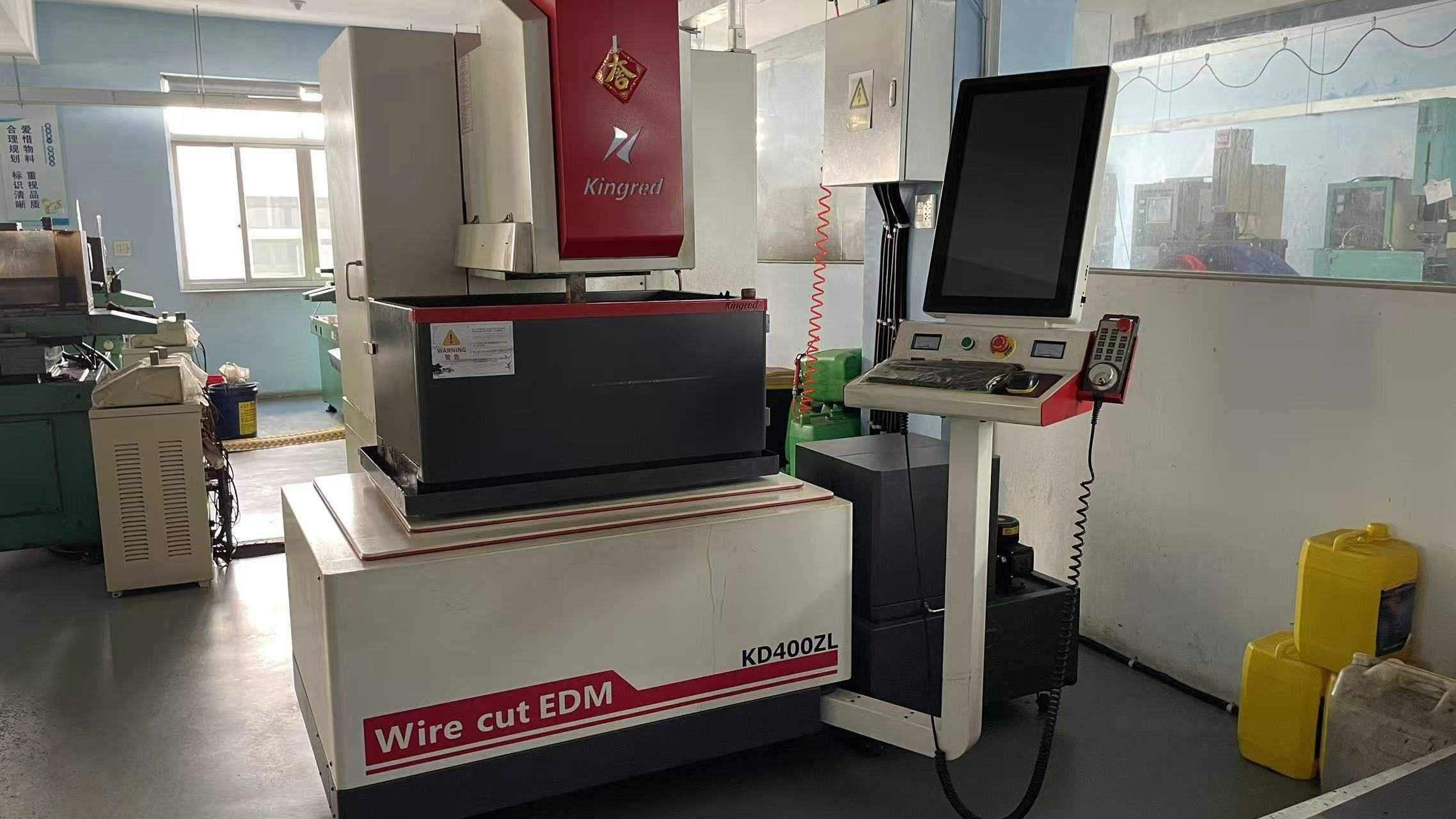
Visible process context is not the same thing as controlled evidence.
First-party production context only. The image does not establish the revision, test scope, acceptance criteria, certification status, or applicability of a specific technical record.
What Makes a Product Drawing Controlled?
Review this section against the exact configuration, revision, interfaces, and project conditions before release.
A drawing is suitable for supplier approval only when its governance is clear; file format or a 2D representation alone does not establish controlled status. The reviewer should be able to identify the drawing number or other unique identity, the current revision, its release or approval status, and the product configuration to which it applies.
The drawing should also make its engineering purpose clear. Depending on scope, that can include envelope dimensions, mounting geometry, interface dimensions, tolerances, connector or terminal references, materials or finishes, and links to other controlled information. Not every drawing needs every field; the requirement depends on what the drawing is intended to define.
Change handling is equally important. If a released drawing changes after sample approval, the buyer may need to know what changed, which products or orders are affected, whether the change requires renewed review or validation, and which earlier issue has been superseded. Historical information can remain important for traceability, but it should not be confused with the current working revision.
Public Engineering Files and Controlled Review Evidence Serve Different Tasks
Review this section against the exact configuration, revision, interfaces, and project conditions before release.
A public resource area is useful when engineers want to find model-level drawings, datasheets, or related product files. Buyers looking for that task should use the actuator engineering files and datasheets resource .
This quality page addresses a different question: whether the document or record is suitable evidence for a specific supplier, project, sample, or production decision. Public availability alone does not establish configuration applicability, release status, or order-specific acceptance.
Documentation Review Within a Custom Project
Review this section against the exact configuration, revision, interfaces, and project conditions before release.
For customized actuators, documentation requirements are best defined alongside the engineering requirements. The linear actuator OEM/ODM process provides the related path for mechanical and electrical interface definition, validation, and production handoff.
Technical documentation also does not replace compliance review. If a project requires certificates, declarations, or other compliance evidence, review their applicability separately through actuator certification support . A drawing or test record should not be treated as proof of a certification scope unless the relevant compliance evidence establishes that connection.
Confirm applicability before approval.
What to Provide for a Technical Documentation Review
Review this section against the exact configuration, revision, interfaces, and project conditions before release.
To make the review actionable, identify the target actuator or project, the configuration and options, whether the request relates to an engineering sample or production order, the documents or records your team needs, and the approval purpose. Where relevant, include customer drawing requirements, revision/effectivity expectations, acceptance criteria, and any required evidence format.
ServoCylMotion can review the requested list against the relevant configuration and identify which items are applicable, which information is available, and which requirements still need confirmation rather than treating one package as universal.
Tie every requested document back to configuration and release status.
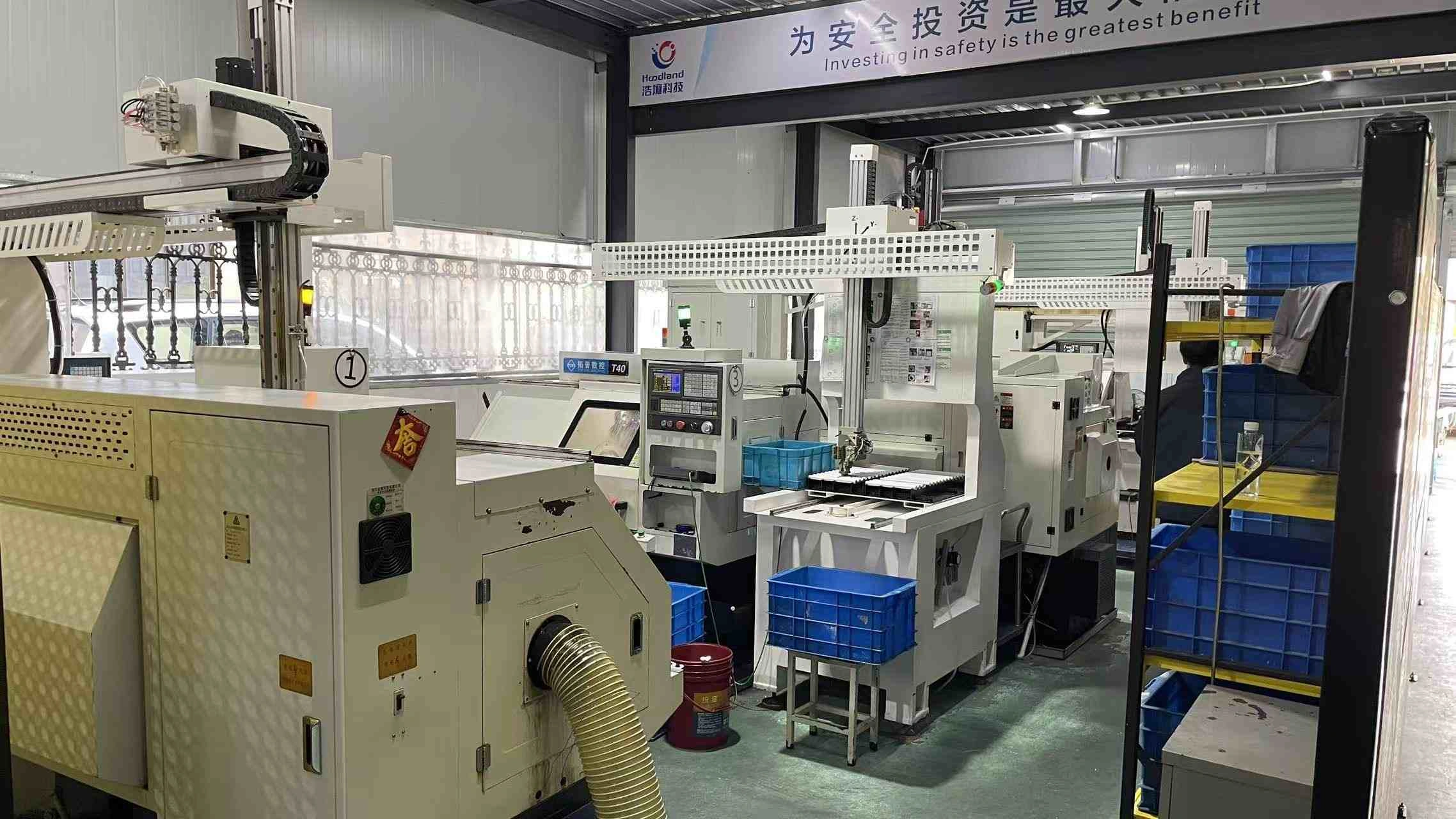
Manufacturing context only. Use controlled document identity, revision, configuration and release status to determine what evidence applies to the project.
Frequently Asked Questions
Review this section against the exact configuration, revision, interfaces, and project conditions before release.
What technical documents should I request for an electric actuator project?
Start from the decision your team must make. Engineering review may focus on dimensions, interfaces, electrical information, and specifications, while supplier-quality or approval work may also require applicable inspection, test, change, or release evidence. Confirm the list against the exact configuration and project requirements.
How do I know whether a document applies to my exact actuator?
Check the model/configuration, options, revision or issue status, and any project, order, sample, lot, or effectivity information that defines scope. Do not rely on a product-family title alone when a configuration-specific decision is required.
What should I look for in an actuator test report?
Look for identification of the test article, the procedure and conditions, measurement method and units, acceptance criteria, actual results, and relevant traceability. Also confirm whether the report represents a sample, qualification activity, or production context.
Does one test record prove the performance of every production unit?
Not automatically. The conclusion should stay within the tested configuration and conditions unless there is a documented basis for applying the evidence more broadly.
What should I check on controlled product drawings?
Check drawing identity, revision, release or approval status, configuration applicability, key interfaces, referenced documents, and any change or supersession information relevant to the product you are reviewing.
Are compliance documents part of the same review?
They can be related, but their scope should be checked separately. Certification or compliance evidence may have its own product, configuration, market, standard, date, or issuer applicability that an engineering drawing or test record does not establish by itself.
Request the Applicable Technical Document List
Review this section against the exact configuration, revision, interfaces, and project conditions before release.
Send the target actuator or application, configuration details, project stage, and the evidence your team requires. Request a technical documentation review so the requested document list can be checked against the relevant configuration and approval purpose.
Close unresolved conditions before production release.
Send the exact configuration, drawings, interfaces, operating conditions and required evidence so the next engineering decision can be reviewed against real project inputs.