

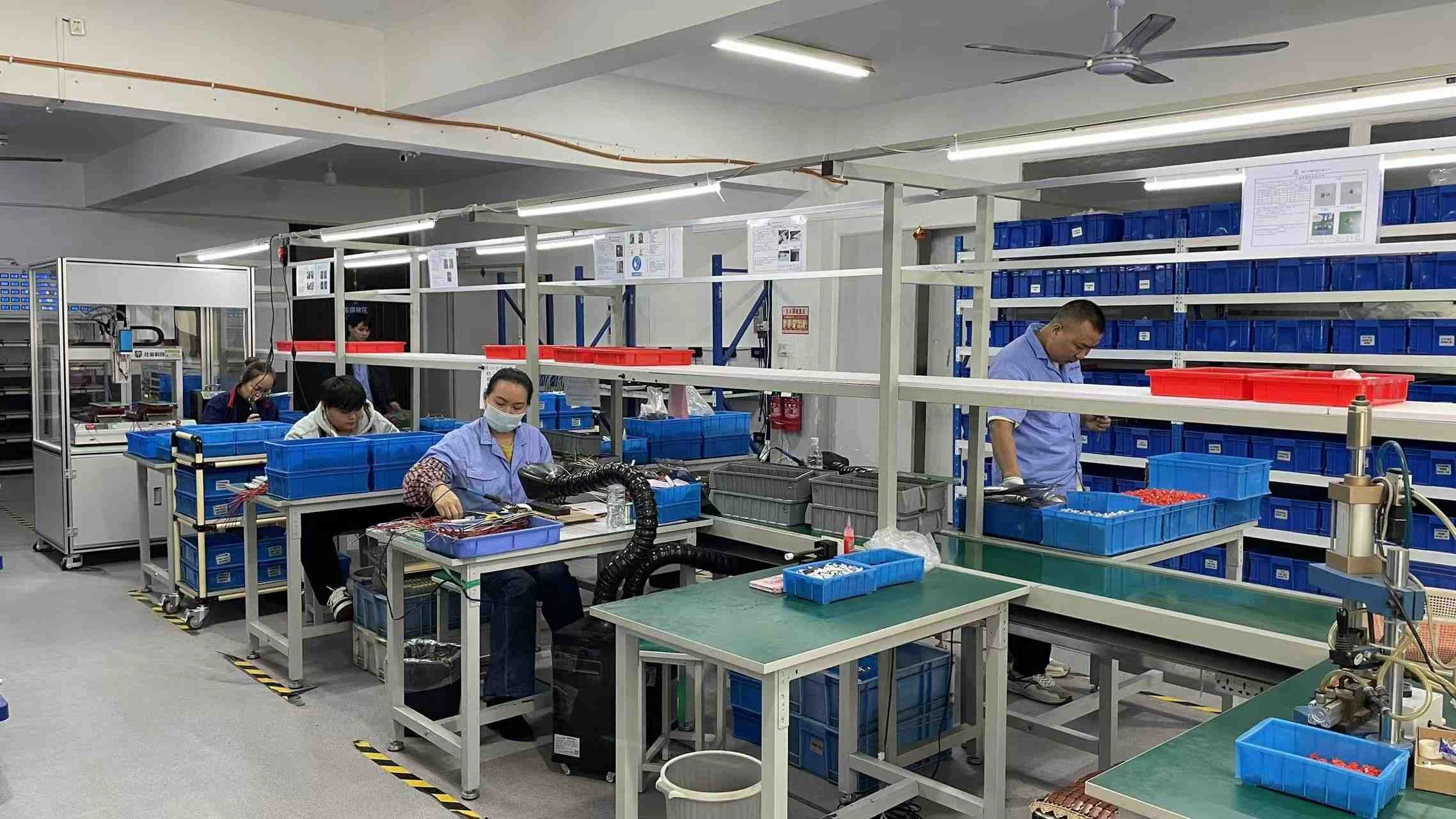
Actuator Manufacturing Standards: Components, Traceability and Production Evidence
Manufacturing standards are useful only when tied to the exact product. ServoCylMotion approaches quality as an evidence question: what configuration was released, what controls were relevant, and what evidence can be connected to the sample, order, or revision?
Evidence follows the released project.
Use the process rail to connect configuration, in-process control, validation, documentation and the production-release decision.
Released configuration
Start with the exact drawing, BOM, material fields, wiring, firmware, and revision that define the project being reviewed.
Process checks
Define which incoming and in-process characteristics require verification, how they are measured, and what acceptance limits apply.
Mechanical and electrical interfaces
Confirm mounting, envelope, travel, connectors, feedback, power, limits, and control behavior against the agreed equipment interface.
Project validation
Evaluate load, speed, duty, environment and other conditions against agreed operating points and acceptance criteria rather than a universal checklist.
Documentation and traceability
Define the identifiers, revision records, inspection evidence, deviations, and change history that must remain recoverable for the project.
Production release
Resolve validation results, deviations, approvals and release decisions before the project moves from engineering sample to production.
Review the process as connected evidence—not isolated quality labels.
There is no useful one-size-fits-all checklist for every electric actuator configuration. The useful question is what evidence applies to the released configuration and the decision being made.
| Area | Buyer review question | Typical evidence |
|---|---|---|
| Component and material definition | Which parts and material fields belong to the released configuration? | Approved specification, BOM, drawing or configuration record |
| Supplier and component identity | What source or lot information should be retained for critical items? | Supplier, part, lot, batch or other agreed identifiers |
| Revision control | Which drawing, BOM, firmware, wiring or specification revision applies? | Revision status and approved change record |
| Incoming and in-process checks | Which characteristics should be verified before or during assembly? | Inspection plan, measurement method and acceptance limit |
| Mechanical interfaces | Do mounting, envelope, travel, connectors and clearances match the equipment? | Approved drawing and interface requirements |
| Functional and electrical checks | Do motion, power, feedback, limit and control functions meet the agreed behavior? | Functional acceptance criteria |
| Performance and environment validation | Which load, speed, duty, temperature, contamination, vibration or other conditions matter? | Agreed validation plan and operating conditions |
| Traceability and change handling | What history must be recoverable and how are later changes identified? | Required traceability depth and change-notification rules |
| Production release | What must be resolved before moving from sample to production? | Validation result, deviations, approvals and release decision |
These categories are not a claim that every product follows an identical inspection sequence. Exact scope depends on the configuration, application and agreed project requirements.
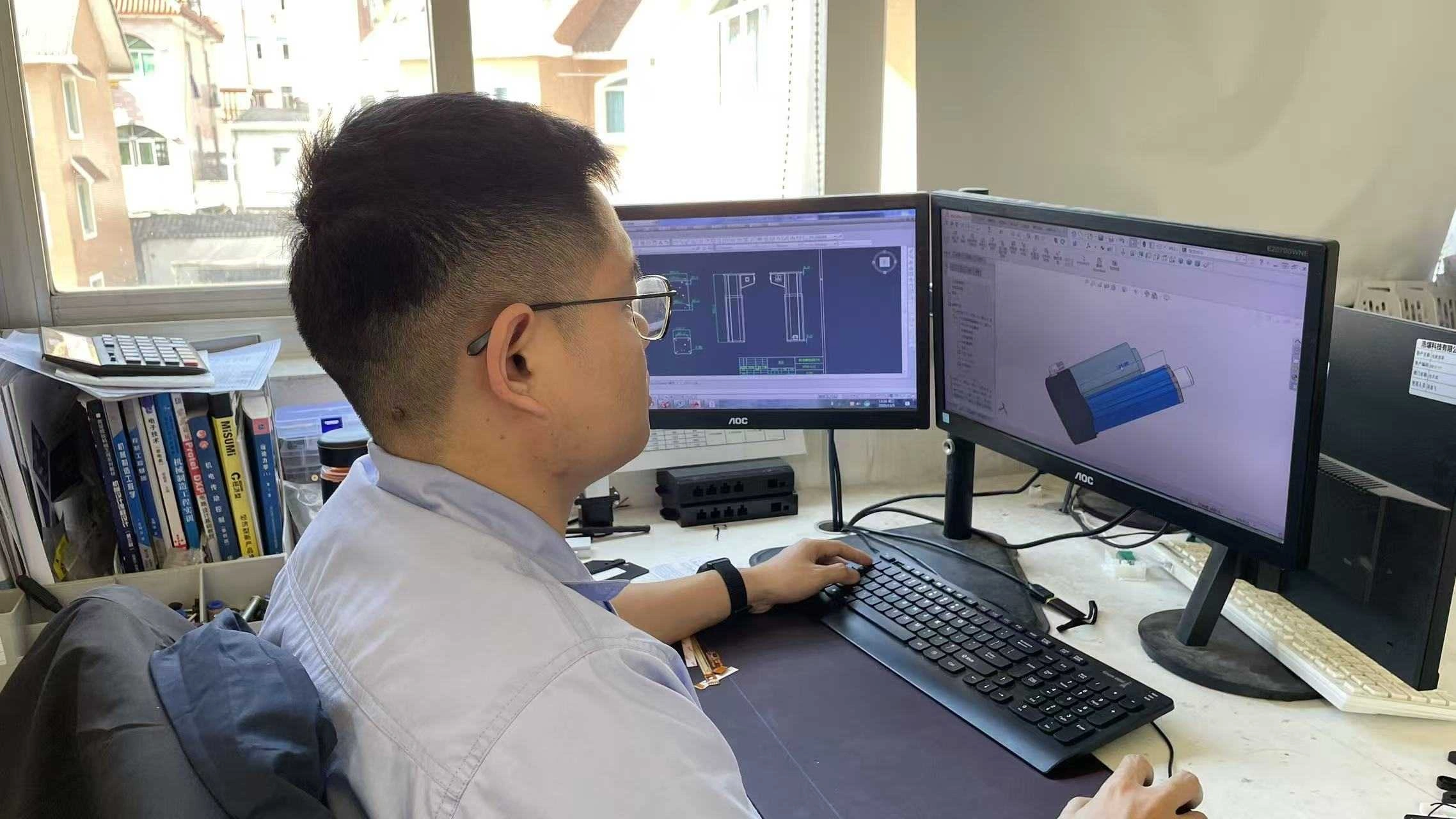
Process evidence starts before the production release.
Manufacturing quality is not an abstract claim. It starts by defining the product correctly, then carrying that definition into controlled assembly, inspection checkpoints, validation and documented release decisions.
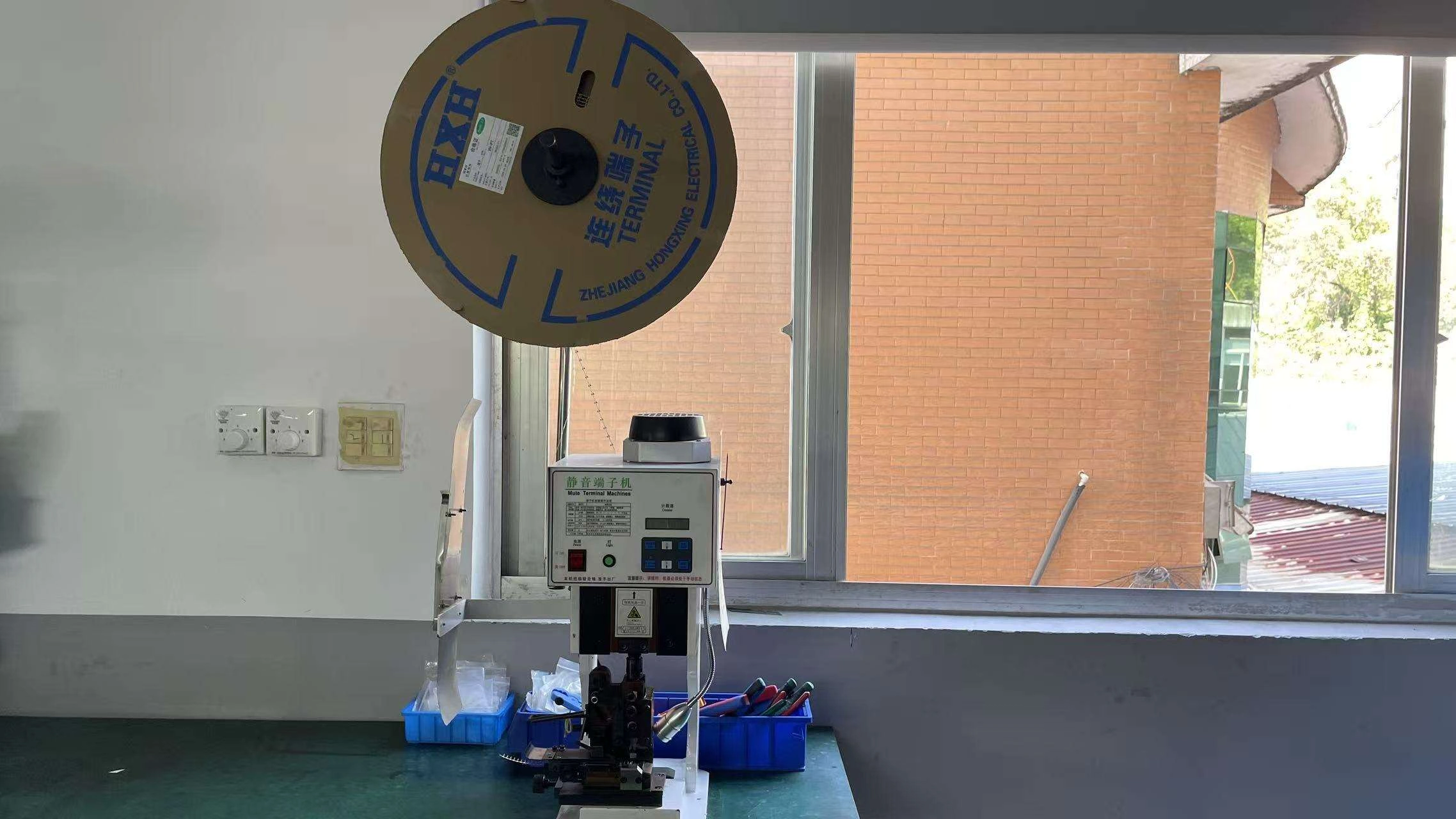
Control materials and components by released configuration.
Material control starts with configuration control. Components and material fields should relate to the applicable drawing, BOM or specification rather than being treated as independent labels.
Define actuator component traceability by the decision you need to make.
Traceability depth depends on the project and the critical items involved. Where required, connect the product, order and revision with agreed supplier, part, lot, batch or other identifiers that support the buyer’s review decision.
Separate routine checks from project validation.
Routine production checks verify defined characteristics during production. Project-specific validation asks whether the selected configuration meets the operating conditions and acceptance criteria agreed for the application.
Review evidence applicability through Certification Support →Build the manufacturing-quality requirements into the RFQ.
Quality evidence is easier to review when the acceptance target is defined before sample or production release. Include the motion requirements, interfaces, evidence depth and release expectations in the same engineering conversation.
Keep manufacturing claims inside the project evidence boundary.
Exact checks, traceability depth, validation conditions and document applicability depend on the configuration and project—not a generic quality label.
What should I verify when reviewing actuator manufacturing standards?
Verify the released configuration, relevant component and material definitions, revision status, manufacturing or inspection evidence, validation conditions, traceability requirements, and the acceptance criteria used for release. The evidence should apply to the exact product or project being approved.
Does component traceability mean every actuator needs the same tracking system?
No. Traceability depth should match the buyer’s quality and risk requirements. Define which identifiers, upstream records, revision links, and downstream production or shipment records must be recoverable.
Should every actuator receive the same tests?
No. Routine production checks, sample-based inspection, engineering validation, and qualification testing can have different purposes and scopes. Confirm what applies to the product and order.
How should material specifications be reviewed?
Review materials as part of the released product configuration. Confirm the applicable specification, BOM or drawing revision rather than treating a material name as a portfolio-wide standard.
Which actuator performance checks matter for manufacturing quality?
The relevant checks depend on the application. Load, stroke, loaded speed, current, duty, environmental exposure, feedback, and interfaces can all matter, but each measurement should be tied to defined conditions and acceptance limits.
How should engineering changes be handled after sample approval?
Define which changes require notification, review, or revalidation and how the revised configuration will be identified. The goal is to keep the approved sample, production records, and later supplied product connected.