

Custom Actuator Power Cable Engineering for OEM Systems
Define the cable as part of the motion system—not as a length or connector choice in isolation. The assembly has to match the connected devices, electrical load or feedback, connector and pin map, and installation duty at the same time.
Choose the electrical job before defining the assembly.
“Actuator cable” can describe four different system paths. Switch the function to see which interfaces and release inputs become decision-critical.
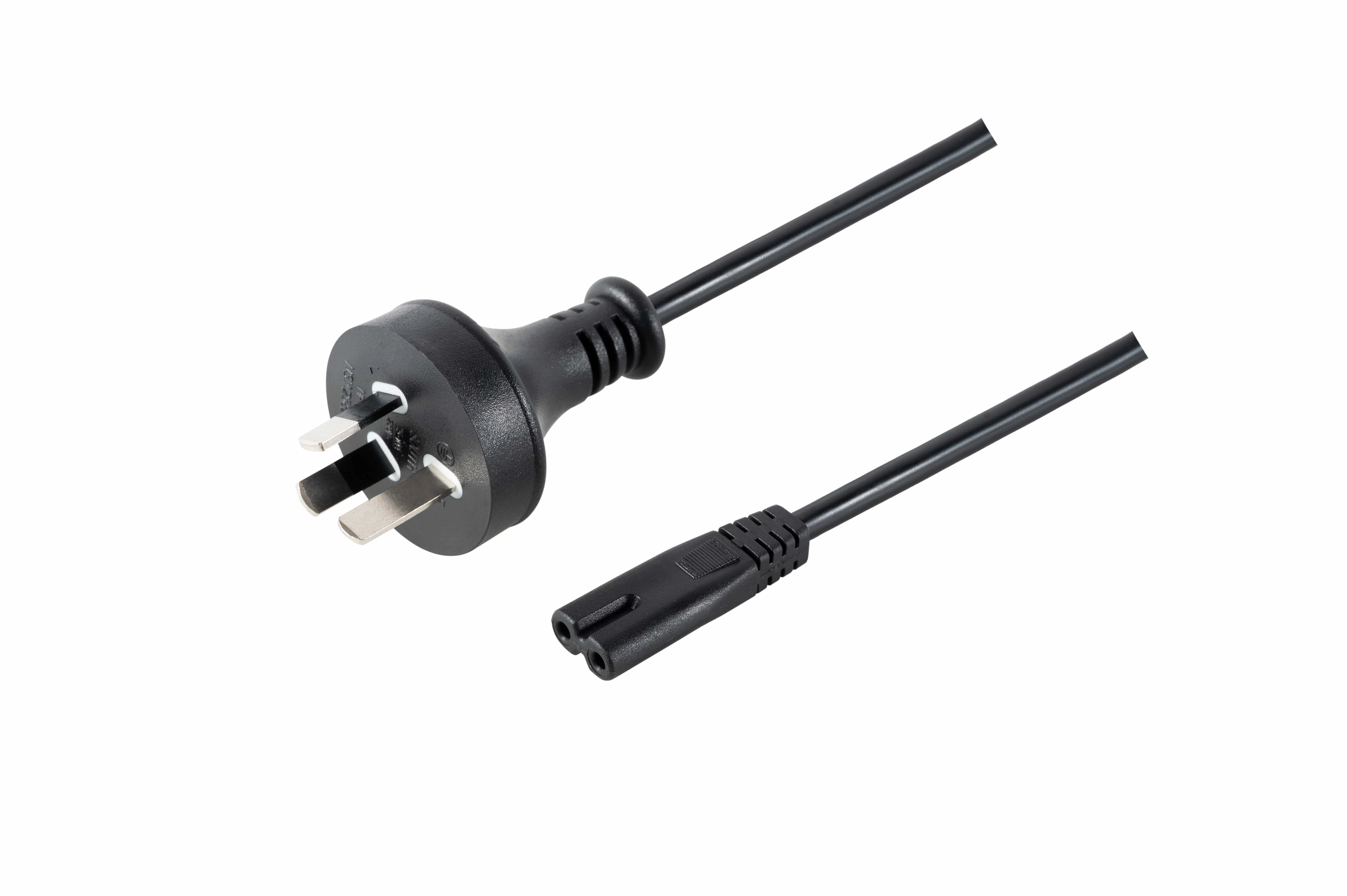
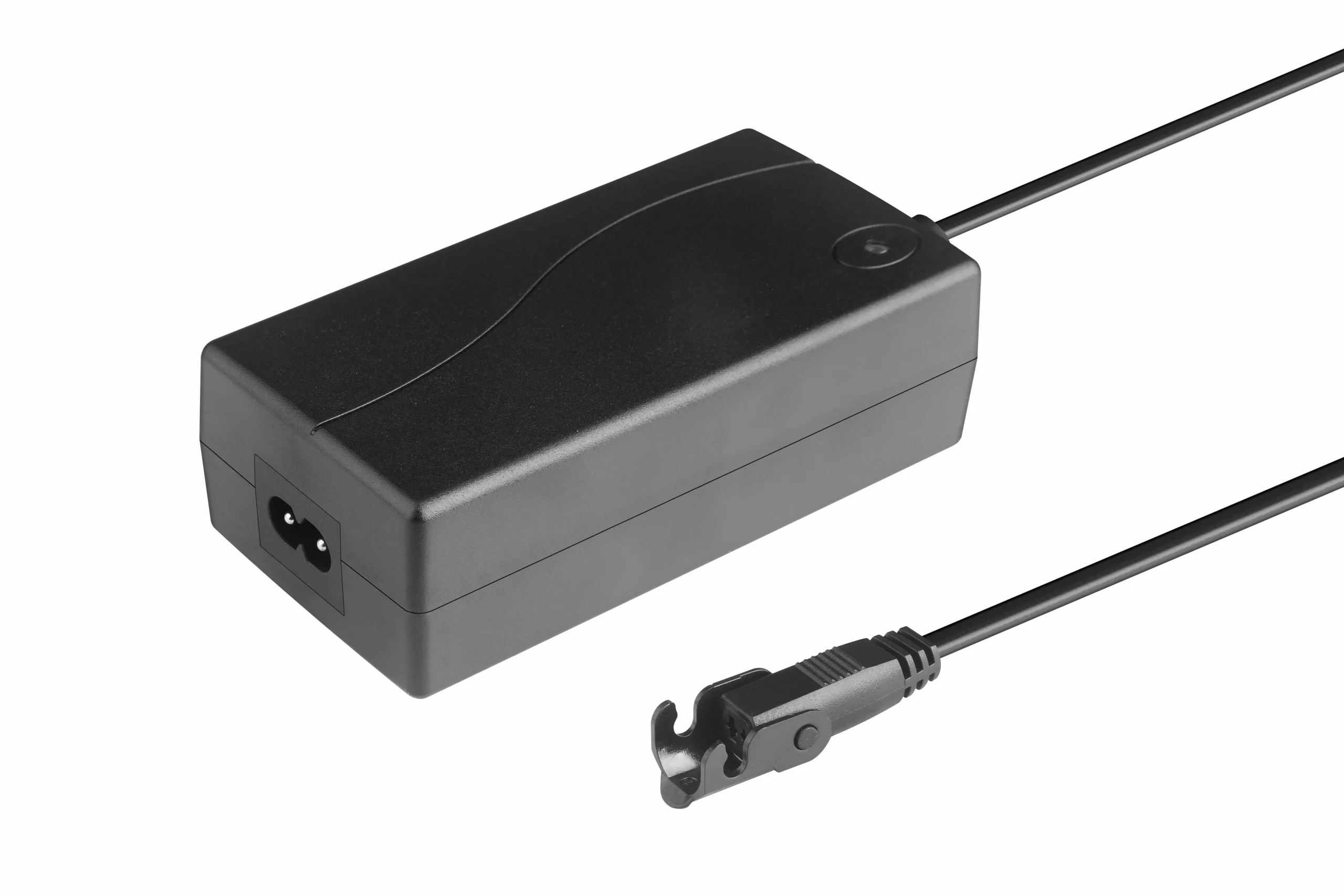
Wall source to power supply or powered control unit.
Confirm the powered device, inlet, destination and required length before release.
Controller or power stage to the actuator motor.
Review voltage, current, conductor count, polarity and length as one electrical path.
Actuator sensor to the control system.
Define feedback type, pinout, conductor count, and any routing or shielding requirement before approval.
Motor power and feedback inside one harness.
Review current, signal type, pin map, connector capacity and noise-control needs together.
Length, current, gauge and connector definition belong in the same review.
Longer conductors add resistance. Under load, voltage loss or heating can become relevant when conductor size, joints or connector resistance are not appropriate. There is no single published maximum length that applies to every actuator system.
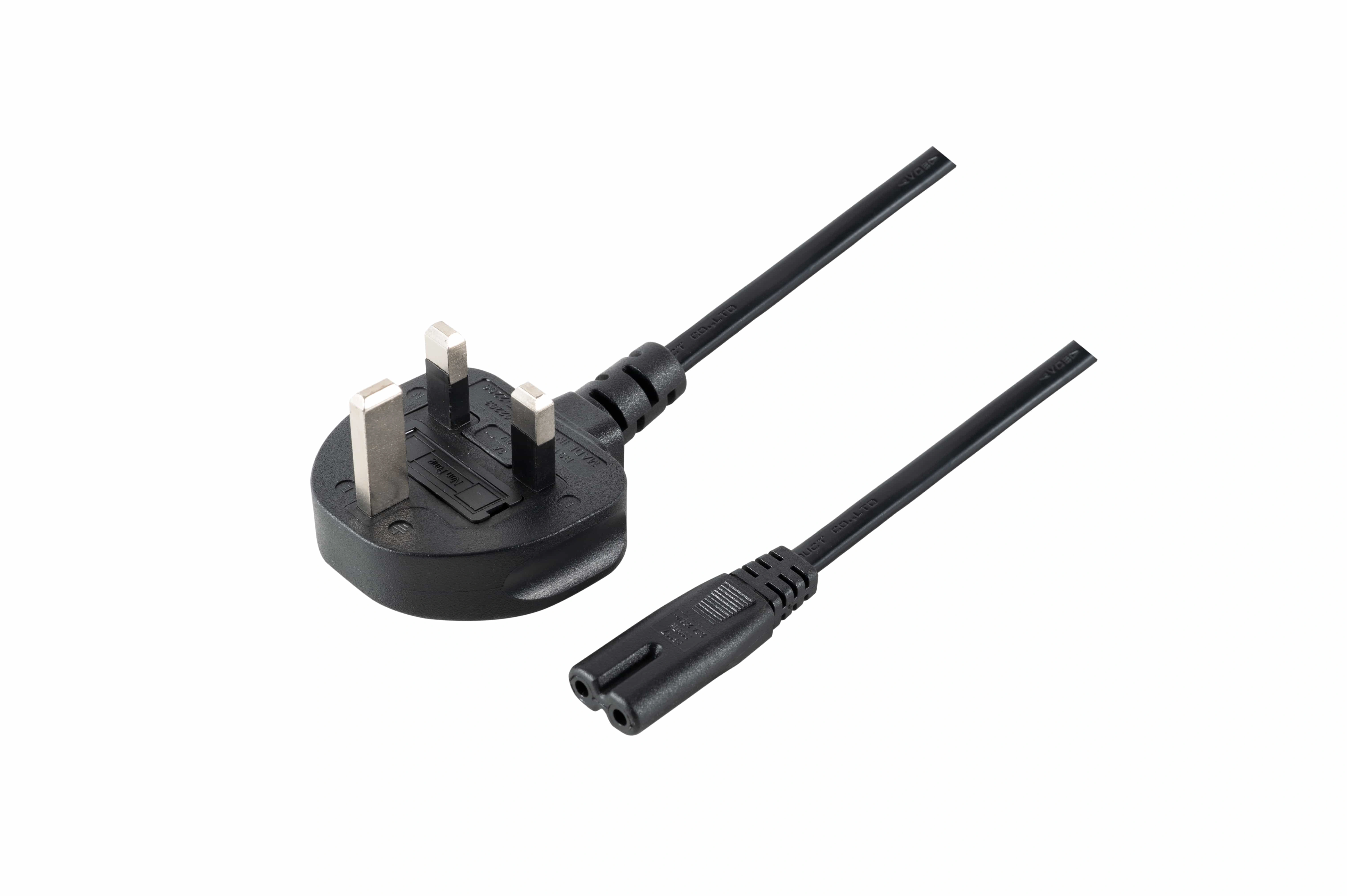
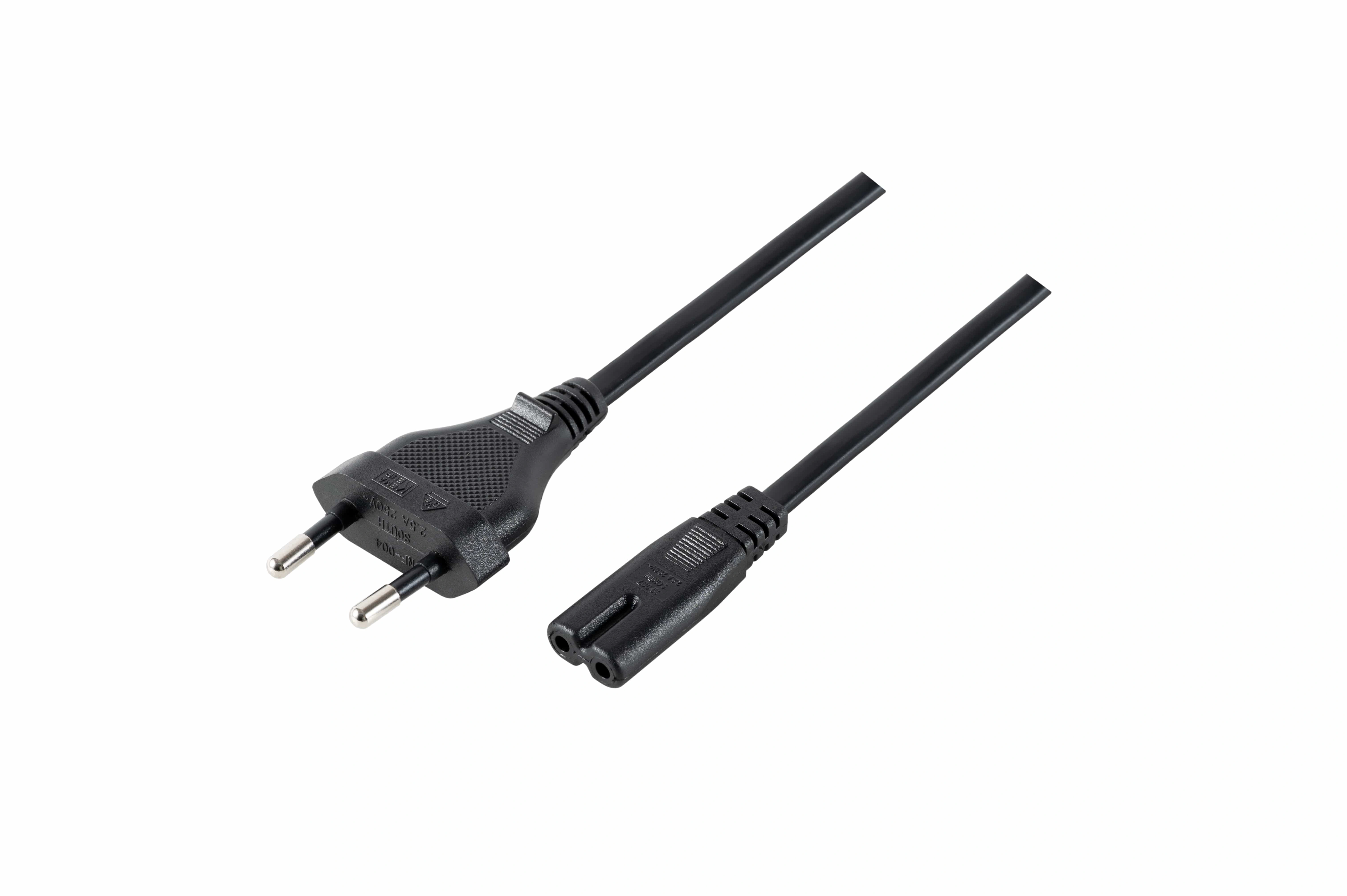
Mechanical fit is not electrical compatibility.
The mating device and contact functions have to be controlled at both ends. Connector modification and custom molded interface review are project-review categories; final compatibility belongs to the actual mating hardware and approved pin map.
Approve the mating part and pin map together. A connector that fits mechanically is not automatically wired correctly for the control system.
Separate the electrical architecture from the cable’s mechanical job.
Power and feedback may be separate or combined depending on current, signal type, connector capacity, routing and electrical-noise conditions. Installation duty then adds a second decision: fixed, occasionally moved, or repetitively flexed.
Define what changes—and what still requires project review.
The current project record supports these review categories. They are configuration categories, not unlimited availability promises.
Release the cable as a controlled system interface.
Bring the electrical load, device identity, connector definition, routing and OEM release requirements into one review so engineering and procurement are looking at the same assembly.
Reduce ambiguity before the cable becomes a production BOM item.
A requirements-led cable review keeps electrical load, connector fit, pinout, routing and OEM part identity aligned. Defining those items together helps engineering and procurement release a cleaner cable BOM and reduce avoidable field rework before production approval.
Specify the interface—not just the cable length.
Exact ratings and available constructions remain project-specific. Start with devices, electrical function, mating interface and installation duty.
What information is needed to specify a custom actuator cable?
Provide the devices being connected, cable function, voltage/current information, conductor count, feedback type, connectors and pinout, target length, routing conditions, environment, quantity, and identification or documentation requirements.
Can the cable length be customized?
Yes, custom length review is supported. Approval should consider electrical load, conductor size, routing, connectors, and signal architecture rather than length alone.
Does a longer cable automatically need a larger wire gauge?
No. It may require a conductor-size review depending on current, system voltage, route length, connector resistance, allowable loss, and thermal conditions.
Can motor power and feedback share one cable?
Some systems combine them and others keep them separate. The decision depends on current, feedback type, connector pin count, shielding needs, and control architecture.
Can the connector and pinout be customized to my control box?
Connector changes and custom molded interfaces are supported as project-review categories. Supply the mating connector, pin map, polarity, and control-box identification.
Is a fixed cable suitable for repetitive flexing?
Not by default. Repetitive motion changes the mechanical requirements for the cable and termination. State the motion path and bend constraints during review.
Can labels, part numbers, barcodes, and packaging be customized?
The current project record supports customer identification and packaging review, including part-number/barcode labeling and project-specific pack-out.