

TV Lift Mechanisms for AV Furniture & Equipment OEMs
A TV lift mechanism is more than a motor that moves a screen. In AV furniture, hospitality fixtures, conference-room equipment, or concealed-display systems, the drive must work with the screen and moving load, travel, installation envelope, mounting structure, controls, power, and cable path.
ServoCylMotion supports B2B AV lift projects by reviewing those inputs as one motion system. We start with the finished mechanism and application constraints, then evaluate the actuator, controller, power supply, and cable interfaces required for the project.
Keep the AV mechanism, drive, controls, power and cable path in one review.
A matching screen size, nominal voltage or connector does not prove that the complete concealed-motion system will work.
Choose the AV Lift Architecture First
Review this section against the exact configuration, revision, interfaces, and project conditions before release.
| Motion concept | Typical integration | Define before selection |
|---|---|---|
| Pop-up TV lift | Cabinet, credenza, bed end, console, or furniture enclosure | Concealed height, opening clearance, travel, moving load, service access |
| Vertical drop-down lift | Ceiling cavity or overhead enclosure | Overhead space, structural mounting, travel, cable path, access |
| Projector / panel mechanism | Ceiling drop, hinged panel, flip-down, or custom reveal | Exact motion path, pivot or guide geometry, clearance, load |
A broad tv lifting mechanism query can describe very different load paths. A pop-up system transfers its load into furniture or a base. A ceiling system suspends the moving assembly. A flip-down concept adds rotational geometry rather than simple vertical travel.
For other application pathways, see the industries overview .
Define the Screen, Moving Load, and Travel
Review this section against the exact configuration, revision, interfaces, and project conditions before release.
Screen diagonal alone is not enough to qualify an electric TV lift . Provide the actual display or projector information and include everything that moves with it:
- model, width, height, depth, and weight;
- mounting interface or VESA pattern where applicable;
- soundbar, camera, shelf, decorative panel, or other attached load;
- moving lid or enclosure parts;
- concealed and viewing positions;
- required travel;
- retracted and extended installation envelope.
The complete moving mass matters because the drive, mounting structure, and guidance work together. Two screens with the same diagonal can create different requirements if their weight, depth, mounting position, or enclosure geometry differs.
After the mechanism is defined, the linear actuator range can be reviewed as one motion-hardware path. Final model selection should follow the real load path, stroke, installed dimensions, and operating conditions.
Design Guidance and Mounting with the Drive
Review this section against the exact configuration, revision, interfaces, and project conditions before release.
The actuator creates motion; it should not be treated as the complete structural guide.
For cabinet systems, rails, a carriage, frame, or other guide structure should keep the display aligned and control unintended side loading. The enclosure or mounting base must also remain sufficiently rigid through the full movement.
For ceiling systems, structural attachment and service access become more important because the moving assembly is overhead. Define the ceiling frame, mounting points, travel clearance, cable route, and any independent retention requirements that apply to the finished installation.
Review the complete travel before freezing the enclosure:
- display and opening clearance;
- guide/frame alignment;
- lid or panel movement;
- cable bend and pinch zones;
- access to controller, connectors, and power;
- concealed and deployed positions.
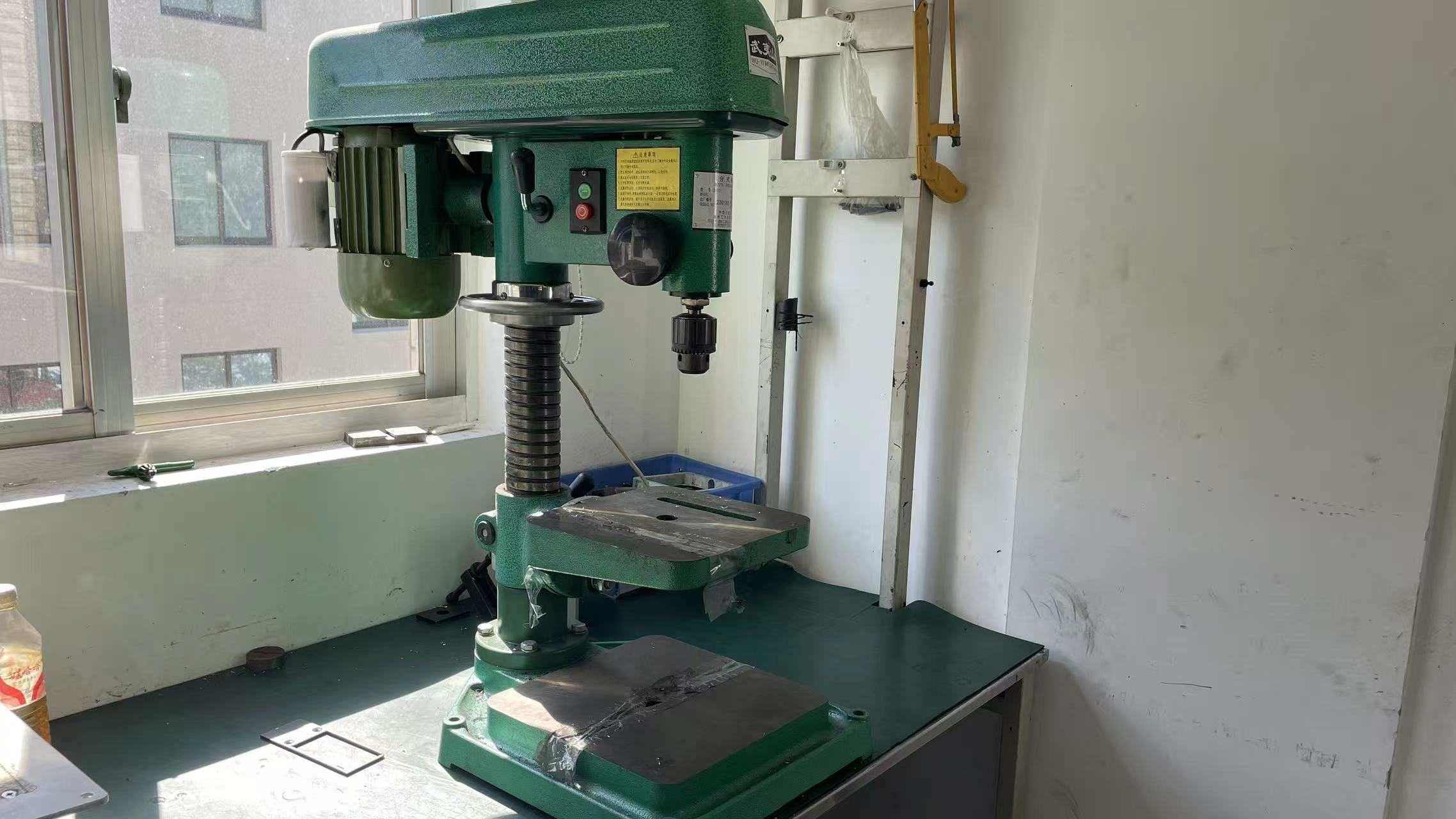
Buildability follows the finished mechanism, not the screen diagonal.
First-party production context only. The image does not establish that the visible equipment is the exact AV-lift configuration under review or prove project-specific travel, load, guidance, retention, or compatibility.
Match Controls and 29V Power to the Project
Review this section against the exact configuration, revision, interfaces, and project conditions before release.
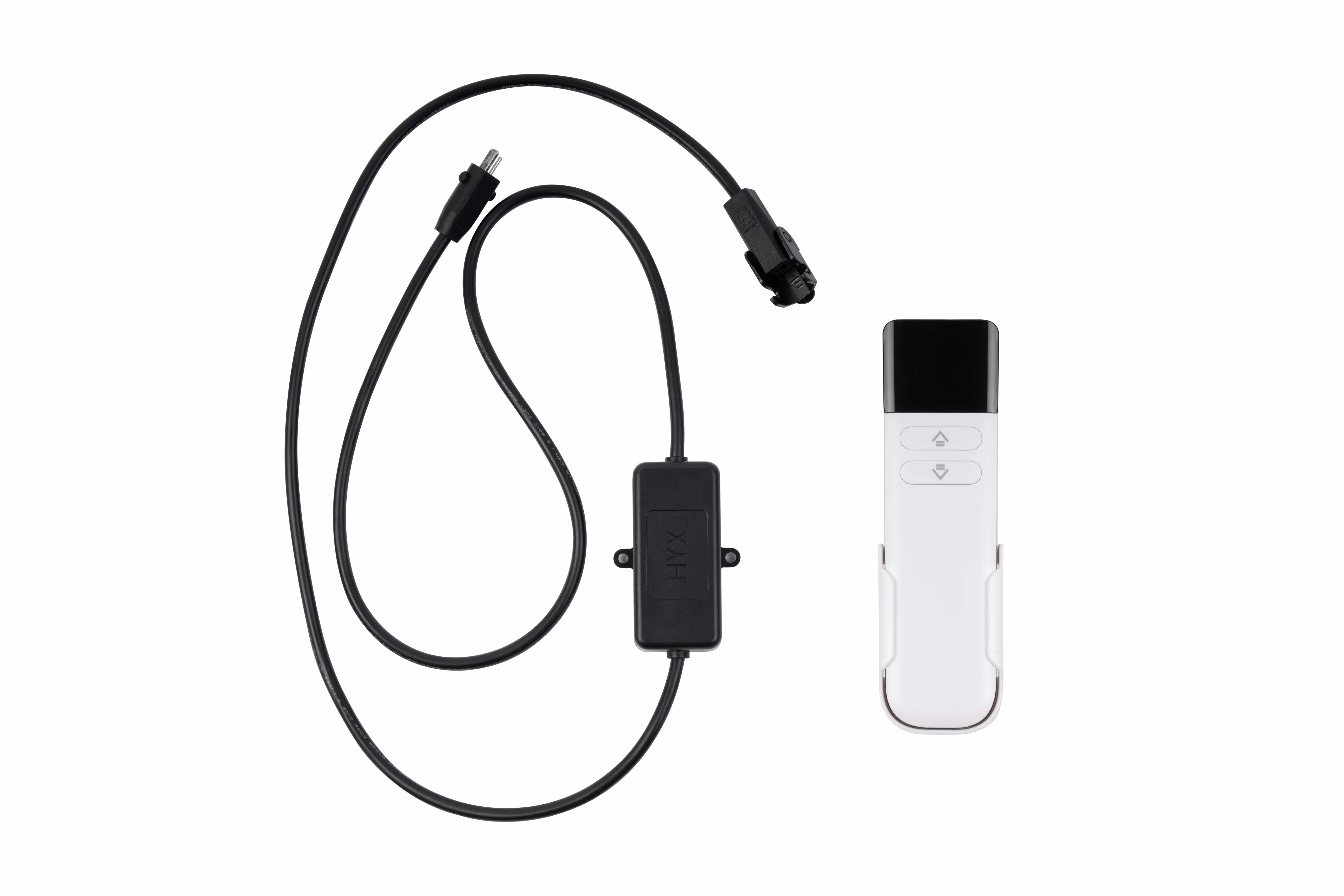
ServoCylMotion local product data documents YK-series wireless motor controllers in TV/projector-lift applications. YK-4 is a one-channel controller documented for single-motor TV lifts and projector-screen applications, with a local listing of DC 29V and 60–120W.
YK-4 is therefore an option to evaluate for a suitable single-motor AV lift, not an automatic match for every mechanism. Motor electrical requirements, connectors, end-position behavior, and control logic still require compatibility review.
See the wireless motor controllers and define the required local or wireless operation, button functions, stop behavior, commissioning/reset needs, and any building or room-control interface.
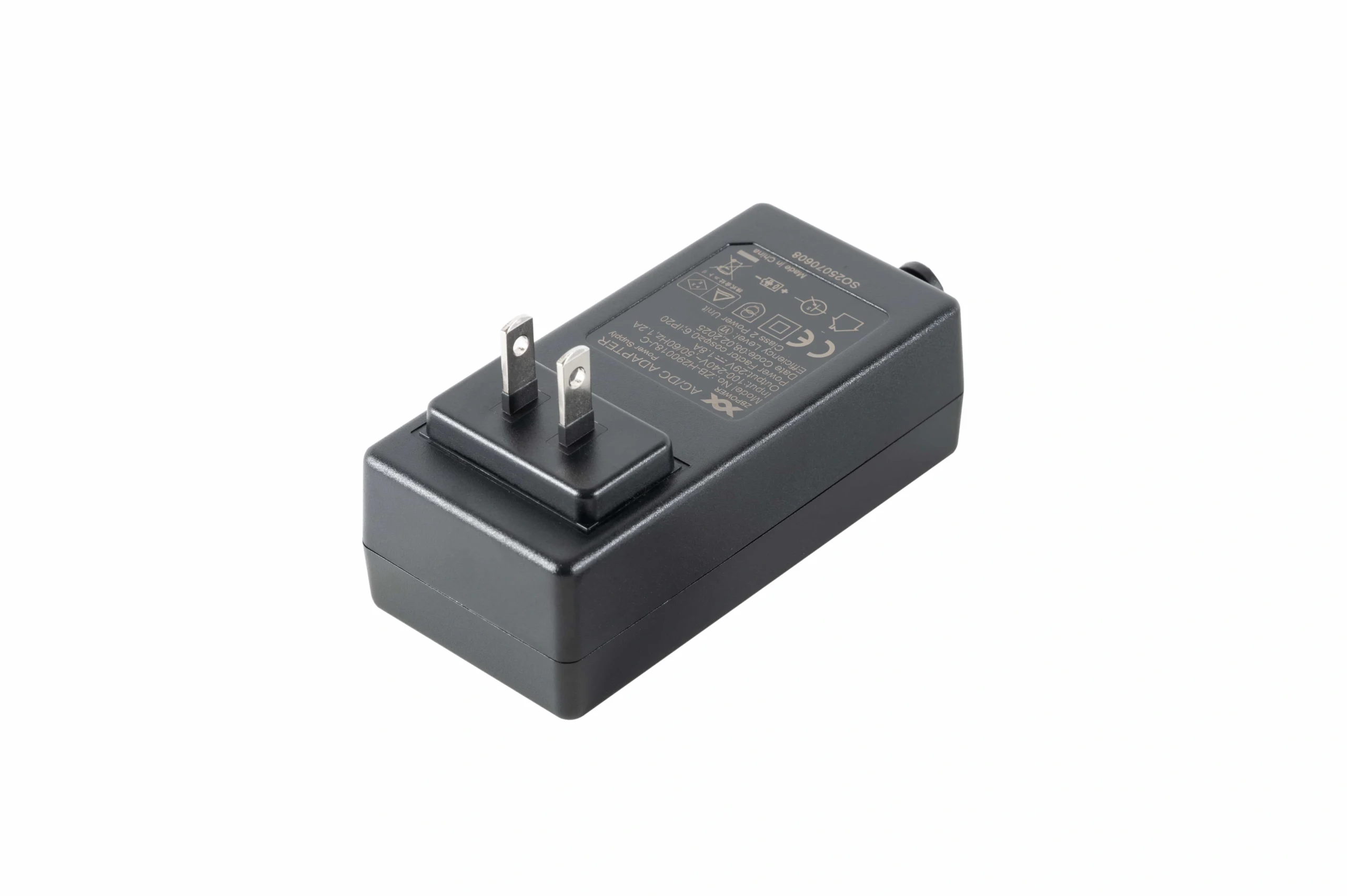
ServoCylMotion also documents a 29V power supply family. Local records include a 58W desktop supply for single-motor TV-lift use and a 52W / 29V 1.8A wall-mounted option for lightweight projector-lift applications. Final power selection must still match the motor/controller combination and destination-market input requirements.
Plan Moving Cables Before the Enclosure Is Final
Review this section against the exact configuration, revision, interfaces, and project conditions before release.
AV lift systems move HDMI, power, and control cables together with the display or projector. Define cable length, connector orientation, bend radius, strain relief, service loop or cable-guide method, and maintenance access through the full travel.
Keep cables away from pinch, shear, and repeated-rub zones. If the BOM needs different plug types, equipment connectors, or cable lengths, review power cable customization during system planning.
Verify the Complete Motion BOM
Review this section against the exact configuration, revision, interfaces, and project conditions before release.
Before approving an AV lift, confirm:
- total moving load and screen/projector dimensions;
- stroke or mechanism travel;
- retracted and extended envelope;
- mounting orientation, frame, and guidance;
- target movement time or speed;
- expected cycles and duty profile;
- controller channel and command behavior;
- voltage, current, polarity, and connectors;
- end-position and fault behavior;
- cable routing and service access;
- destination-market power requirements.
A matching voltage or connector does not prove full-system compatibility. Use the system compatibility review to check the proposed actuator, controller, power supply, and cable interfaces together.
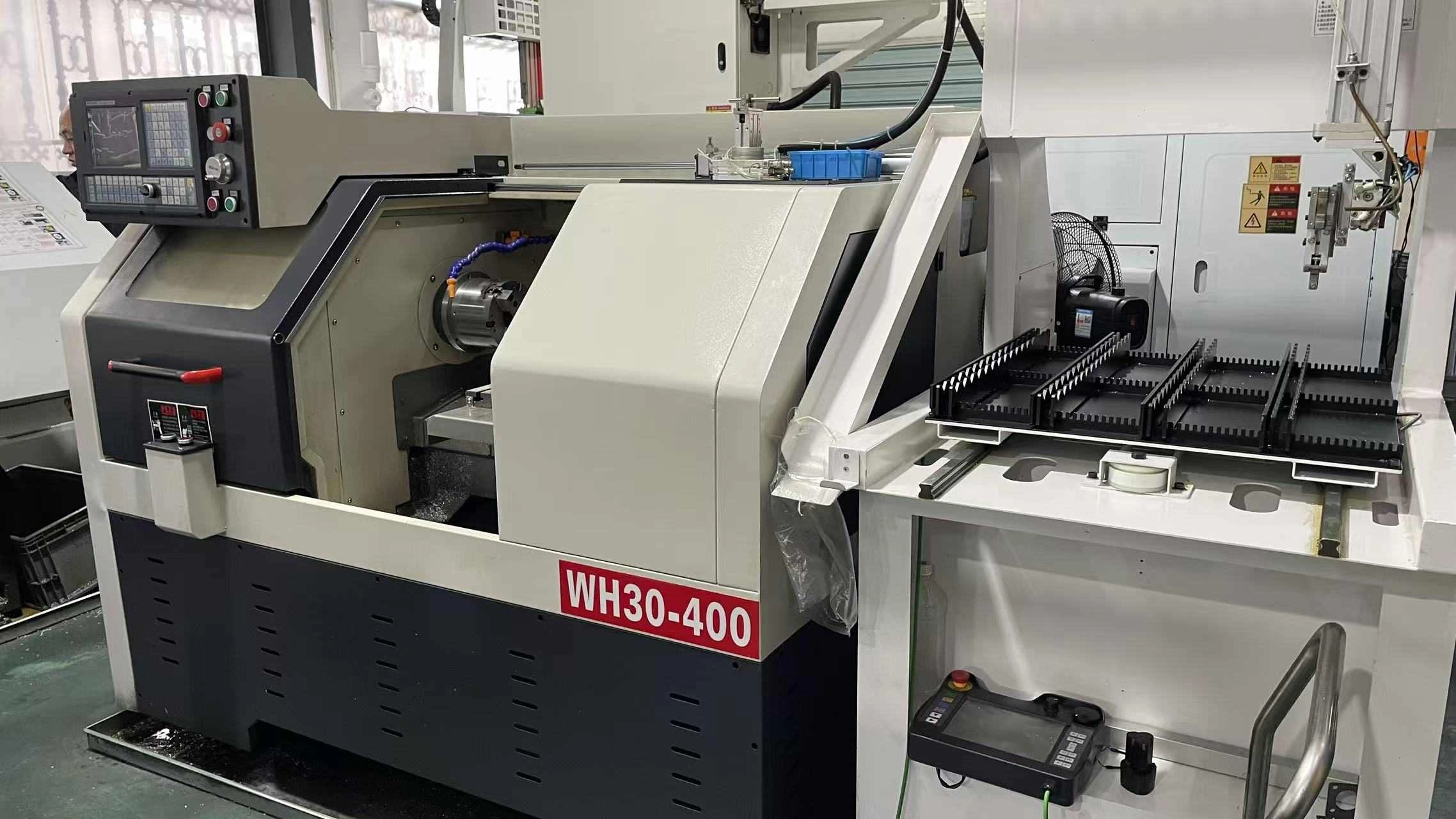
Close the complete motion BOM before release.
First-party assembly context only. The image does not establish the exact AV-lift BOM, validation scope, cable routing, or suitability for an overhead installation.
What to Send for an AV Lift Recommendation
Review this section against the exact configuration, revision, interfaces, and project conditions before release.
Send a drawing, CAD view, or installation sketch plus:
- display/projector model and total moving load;
- required motion path and travel;
- cabinet or ceiling envelope;
- mounting and guide arrangement;
- target movement time;
- expected operating frequency and environment;
- control interface;
- power market and connector preferences;
- estimated project volume.
These inputs let the engineering discussion focus on a production-ready motion system rather than a generic motor specification.
Frequently Asked Questions
Review this section against the exact configuration, revision, interfaces, and project conditions before release.
Pop-up or drop-down: which TV lift mechanism should I use?
Start with the concealment location. Furniture normally points toward a pop-up path; overhead concealment requires a ceiling or drop-down concept. Available cavity, load path, structure, travel, and service access determine the final architecture.
Can screen size alone determine the lift?
No. Actual dimensions, total moving load, mount interface, required travel, concealed space, and enclosure geometry all affect fit.
Can ServoCylMotion recommend a specific actuator immediately?
A model recommendation should follow the project data. Load, stroke, installed dimensions, mounting, duty, control, and power requirements need to be checked together.
Can the system use wireless control?
ServoCylMotion has locally documented YK wireless-controller options for AV-lift applications. The final controller must still match the motor, channel count, electrical interface, and required control behavior.
What should I send for a projector lift?
Provide projector dimensions and weight, ceiling or furniture cavity, required travel, mounting geometry, cable routing, control requirements, operating frequency, and power inputs.
Request an AV Lift System Recommendation
Review this section against the exact configuration, revision, interfaces, and project conditions before release.
Send ServoCylMotion your screen or projector data, moving load, travel, installation envelope, mounting concept, duty, control, and power requirements. We can use those inputs to review the motion architecture and define the next compatibility and BOM checks.
Close unresolved conditions before production release.
Send the exact configuration, drawings, interfaces, operating conditions and required evidence so the next engineering decision can be reviewed against real project inputs.