

Electric Actuator Quality Assurance: What Buyers Should Verify
Electric actuator quality assurance is most useful when it is treated as an evidence review, not a generic quality promise. For OEMs, machine builders, sourcing teams, and supplier-quality engineers, the practical questions are: what was controlled, what was checked, under which conditions, what records exist, and whether that evidence applies to the exact actuator and project being purchased.
This Quality hub organizes those questions into manufacturing evidence, product/project verification, and controlled records. It is designed to help buyers identify the right evidence path without assuming that one test or document applies across every actuator configuration.
Three layers of quality evidence
Select a layer to review what it controls, what to verify, and which review path applies.
Manufacturing and process evidence
This layer concerns the inputs and production steps that can affect consistency. Depending on the product and project, buyers may need to review component controls, in-process checks, dimensional control, assembly requirements, change handling, and the ability to relate a shipment to relevant production information.
The goal is not to collect process terminology. It is to determine which controls apply to the product being purchased and what evidence can be reviewed. Cross-product manufacturing and traceability topics are covered in Manufacturing Standards.
Product inspection and validation evidence
Inspection and testing should answer an agreed requirement. Relevant categories may include visual or dimensional checks, basic function, stroke, loaded speed, current behavior, duty pattern, environmental suitability, feedback or interface compatibility, and durability when the application requires it.
These are buyer-review categories, not a statement that every ServoCylMotion actuator receives an identical test sequence. Inspection scope can differ by product, configuration, order, and acceptance plan. Confirm which checks apply, the test conditions, the acceptance limits, and how the result is tied to the configuration under review.
Controlled records and applicability
A record is useful only when its scope is clear. Check the model or configuration, revision, test or inspection condition, date, acceptance criteria, and the entity or project to which it applies.
Compliance-related documents should also be treated as scoped evidence rather than universal proof for every product. Use Certification Support to review document applicability and Technical Documentation for controlled drawings, specifications, and applicable inspection or test records.
Verify quality against the exact operating point
Supplier evidence should be reviewed against the same operating point used for engineering selection. Similar headline ratings do not mean two products were validated under the same conditions.
| Project input | What to confirm |
|---|---|
| Load or process force | Normal and worst-case load, direction, friction, acceleration, and holding needs |
| Travel | Required stroke and usable mechanical envelope |
| Speed | Required speed under working load |
| Duty | Run/rest pattern, cycles, and thermal workload |
| Environment | Temperature, dust, moisture, contamination, cleaning, corrosion, or other relevant exposure |
| Mounting | Orientation, alignment, guides, brackets, and side-load control |
| Controls and feedback | End positions, intermediate positioning, synchronization, feedback, and fault behavior |
| Power and wiring | Supply, current capacity, connectors, and cable requirements |
| Acceptance criteria | What is measured, under what condition, and what constitutes pass/fail |
This context matters. A speed result without its load condition, an endurance result without its duty profile, or a dimensional record without the relevant revision may not support a production decision.
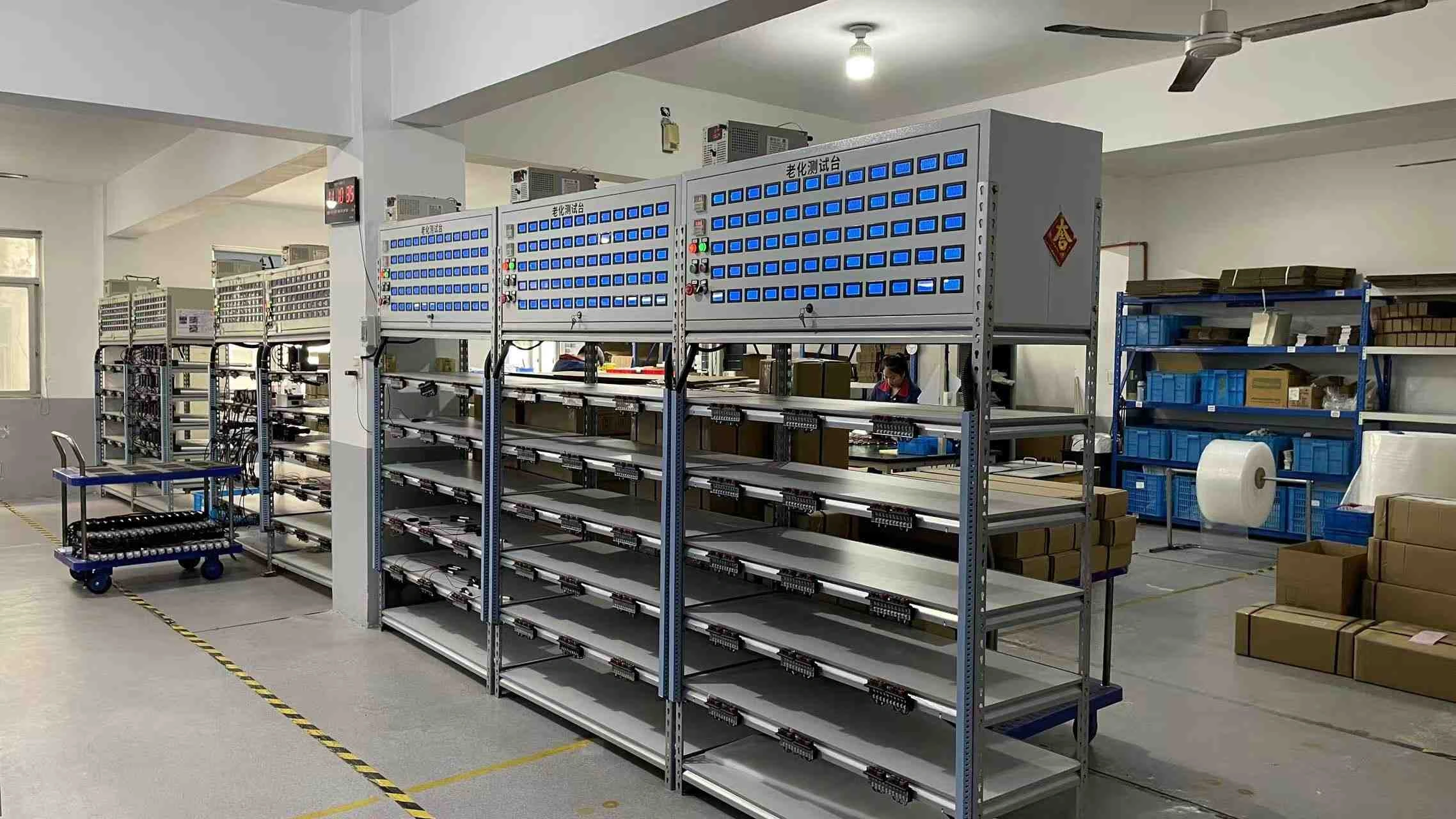
Use factory imagery as context, not as a substitute for records.
The image helps buyers inspect the production environment. Release decisions should still rely on the scoped process, inspection, configuration, and documentation evidence relevant to the project.
From engineering sample to production release
For OEM projects, the documented ServoCylMotion project flow is:
Define both performance targets and required evidence at the requirements stage. During configuration review, consider mechanical, electrical, controls, feedback, power, wiring, environment, and documentation as one system.
The engineering sample then becomes a validation point. Check it against the agreed operating conditions and acceptance criteria. Resolve material deviations or evidence gaps before production release rather than carrying uncertainty into volume supply.
When supplier qualification also includes engineering participation, customization boundaries, interface control, validation, and production handoff, review the Linear Actuator OEM/ODM process →
Questions that make quality evidence auditable
Before approval, ask:
The answers may differ across projects. A useful quality review makes those differences explicit instead of hiding them behind broad labels.
Quality evidence review paths
Use the dedicated path that matches your decision:
Manufacturing evidence
Component, process, and traceability review.
Manufacturing Standards →Document applicability
Product/project scope and validity review.
Certification Support →Technical records
Controlled drawings, specifications, and applicable inspection/test records.
Technical Documentation →Engineering tools
Sizing, selection, and integration references.
Resources →Keeping these evidence types separate helps prevent one document from being used to support a claim it was not intended to prove.
Buyer quality-review checklist
Before supplier or project approval, confirm:
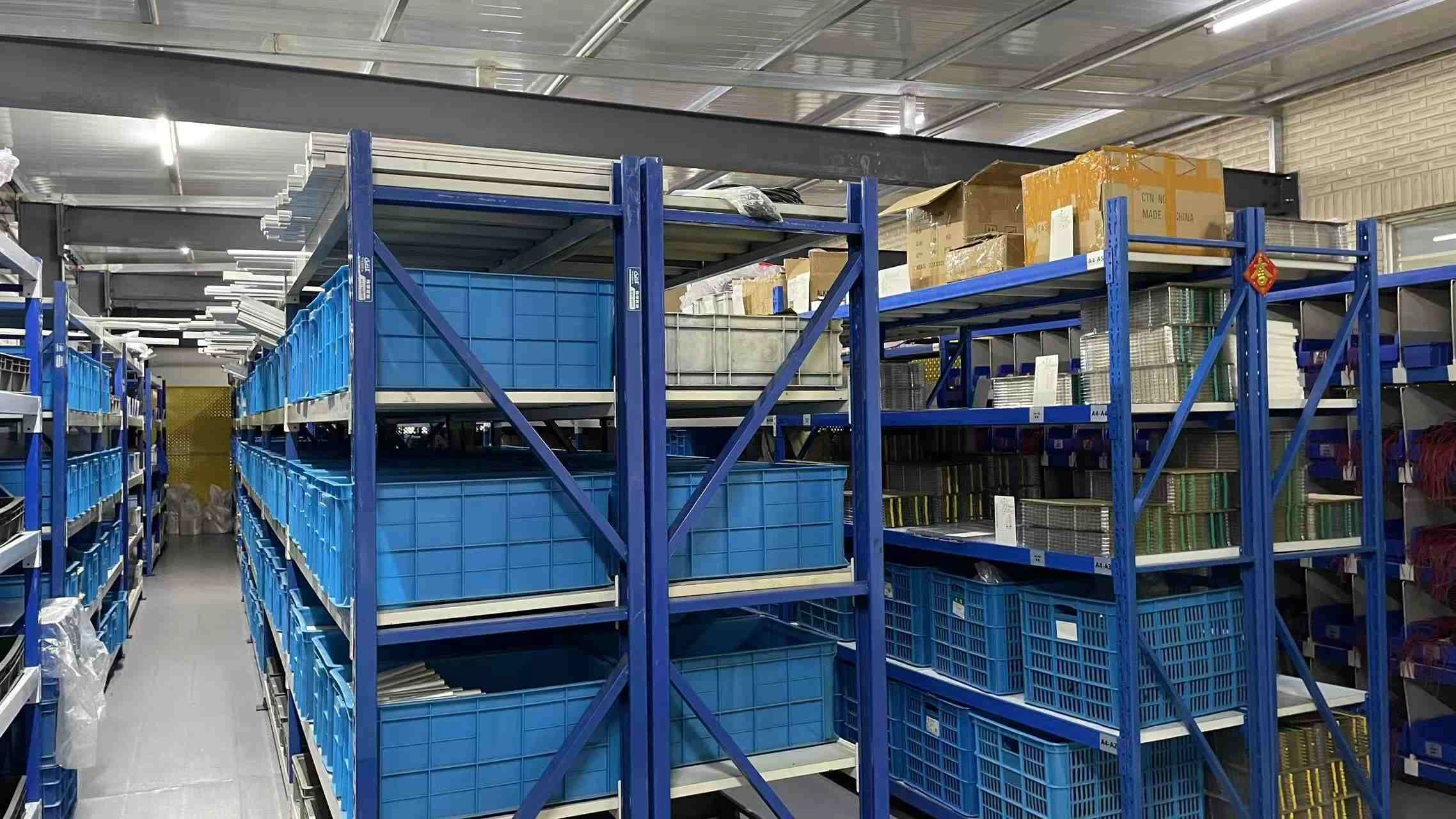
Keep visible context separate from project-specific proof.
A production image can support inspection of context. Configuration, revision, acceptance criteria, and retained records still determine whether evidence applies to the actuator or order under review.
Frequently asked questions
Use each answer as a review prompt, then confirm the evidence scope for the exact project.
What quality evidence should I review before approving an electric actuator supplier?
Review manufacturing/process evidence, product inspection and project validation, and controlled records. Then verify that each item applies to the exact product, configuration, and order being approved.
How do I know whether a test result applies to my actuator?
Match it to the configuration, revision, operating condition, date, measurement method, and acceptance criteria. Do not assume a result from another configuration is equivalent.
Should every actuator be tested individually?
Do not assume one universal policy. Ask what inspection scope applies to the specific product and order and what records are retained.
Which performance checks matter most?
It depends on the application. Common review points include load, stroke, speed under load, current, duty, environment, feedback, interfaces, and durability requirements. Define acceptance criteria first.
What documents should I request?
Request the records needed for the approval decision, then verify configuration and revision applicability before relying on them.
How should an engineering sample be approved?
Define the operating point and acceptance criteria, validate the sample, resolve material deviations, and document the release decision before production.
Request a quality evidence review
Send your actuator or motion-system requirements together with the evidence you need for supplier approval. Include load, travel, speed, duty, environment, controls, feedback, power, wiring, sample or production context, and acceptance criteria.