

Verify the evidence for the exact actuator project.
Certification support should start with the project, not a certificate name. Confirm the applicable requirement, the evidence available for review, and whether it covers the exact actuator configuration being purchased.
Evidence is reviewed by model, option set, market, and end use. Unverified items remain pending until scope and applicability are confirmed.
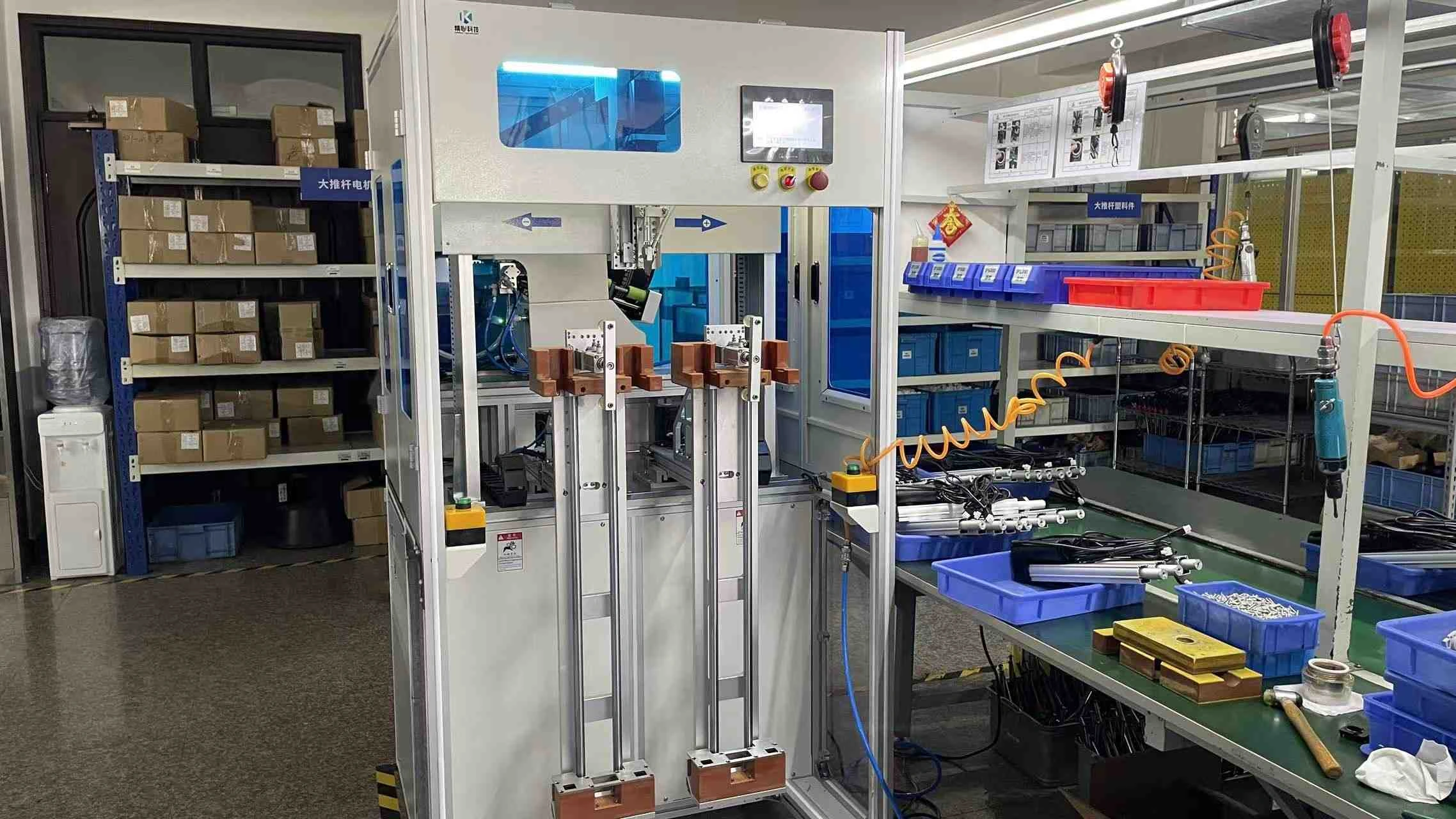
Start with the project, not a certificate name.
Actuator certification requirements can change with the application and the buyer’s approval process. Define the inputs before deciding what evidence is needed.
| Project input | Why it matters | Review focus |
|---|---|---|
| Destination market | Jurisdictions can use different conformity or documentation paths. | Country, region, customer approval path. |
| Application and end use | Requirements may change with how and where the actuator is used. | Machine function, furniture, automation, lifting, press, test rig, or other end use. |
| System role | A component, subsystem, and final machine can have different approval responsibilities. | Define what the actuator evidence is expected to support. |
| Exact configuration | Model, options, controls, feedback, power, cables, and accessories can affect document scope. | Match the ordered configuration, not just the family name. |
| Operating environment | Temperature, contamination, moisture, vibration, and other conditions can change qualification needs. | State the real exposure and installation conditions. |
| Project stage | Prototype, sample approval, supplier qualification, and production release can require different evidence. | Identify the decision the evidence must support. |
| Customer specification | OEM or end-user requirements may add project-specific documentation or validation needs. | Attach checklists, clauses, acceptance criteria, or approval forms. |
Documents are useful only when purpose and applicability are clear.
These are review categories, not a promise that every document exists for every ServoCylMotion product.
| Evidence category | What may be reviewed | What must be confirmed |
|---|---|---|
| Product declarations or certificates | An applicable document if available for the selected configuration. | Covered model/configuration, issuing entity, revision, date, market, and conditions. |
| Technical product records | Controlled drawings, specifications, datasheets, or interface information. | Correct revision and match to the ordered configuration. |
| Inspection or test records | Applicable inspection, functional, validation, or test records when included in the project package. | Test condition, acceptance criteria, configuration, and record applicability. |
| Traceability or revision records | Product, order, batch, revision, or change information where agreed. | Required traceability depth and retained records. |
| Buyer-specific approval records | Checklists, deviations, validation results, or release records defined by the project. | Approval owner, acceptance criteria, and project stage. |
Five checks before you rely on a certificate, declaration, report, or record.
The selected review state changes the evidence focus below. This is a decision aid, not an automated certification determination.
Match the exact product and option set.
Confirm the model, options, controller, feedback, power, cable arrangement, and other configuration details that can change scope.
Confirm the revision and date.
Verify that the document corresponds to the product or project revision under review and is not an outdated record from an earlier release.
Identify the responsible entity and scope.
Determine who issued the document and what product, assessment, scheme, or organization it covers.
Check market, intended use, and stated conditions.
Confirm relevance to the destination market, end use, operating environment, installation conditions, and any limitations stated in the evidence.
Connect the supplied configuration to retained evidence.
Where required, relate the sample, batch, revision, production order, or shipped configuration to the records used for approval.
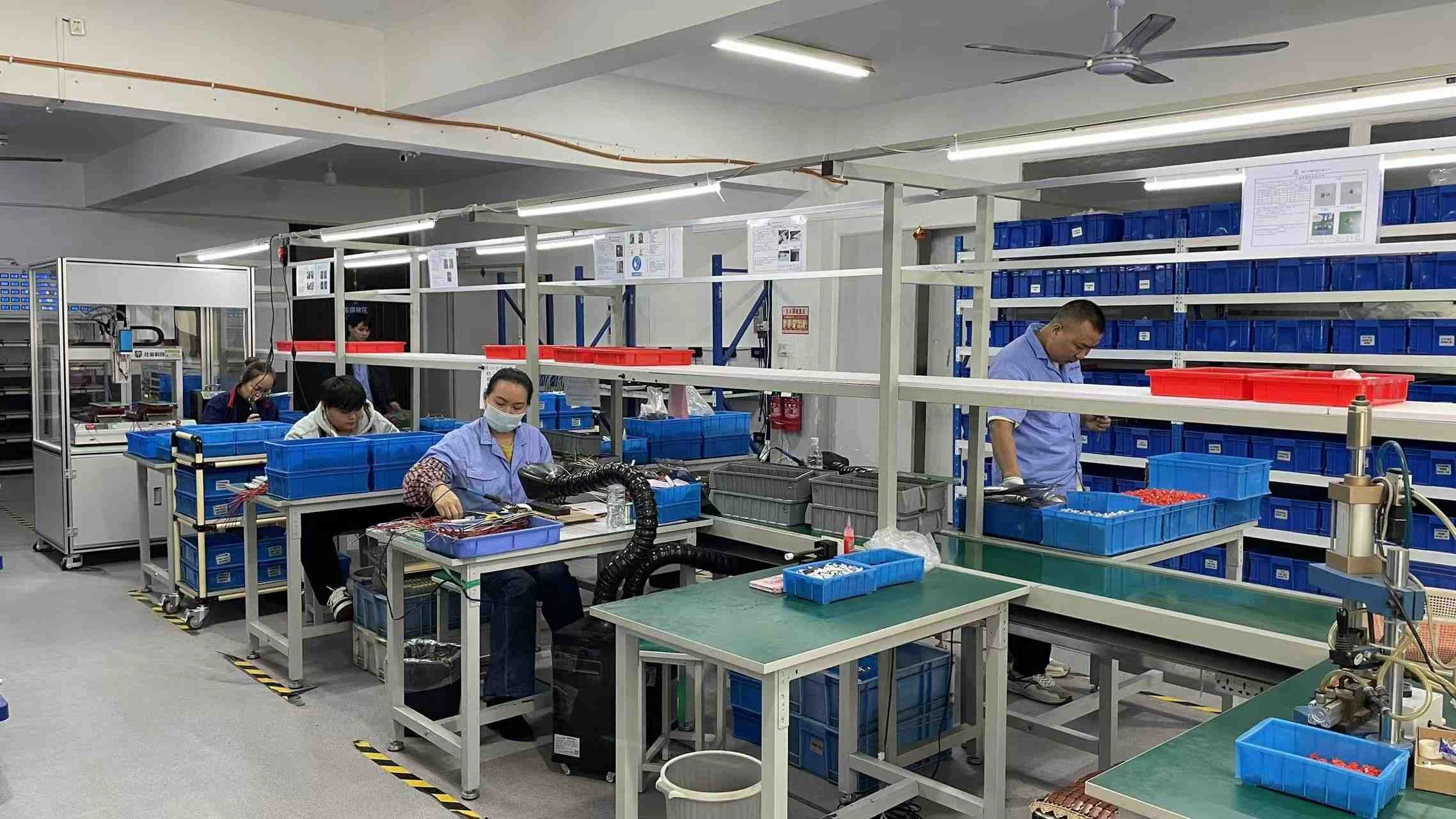
Supplier evidence and final-system approval are different questions.
An actuator is often one component inside a machine, control panel, automation cell, furniture system, or other integrated product. Evidence for the actuator or a defined actuator system should not automatically be treated as proof for the buyer’s complete machine.
The final system can introduce different power architecture, wiring, controls, software, mounting, loads, environmental conditions, guarding, or safety functions. The buyer or system integrator should determine which final-system requirements apply.
Resolve document scope before production release.
ServoCylMotion’s documented project flow keeps evidence requirements connected to the engineering configuration.
When evidence is pending verification
If a requested document has not been confirmed for the selected configuration, do not treat it as available or applicable by assumption. Keep the item pending verification until scope, revision, owner, and project conditions have been checked.
Put evidence requirements into the RFQ.
Certification support is more efficient when the evidence list is defined before supplier approval or production release.
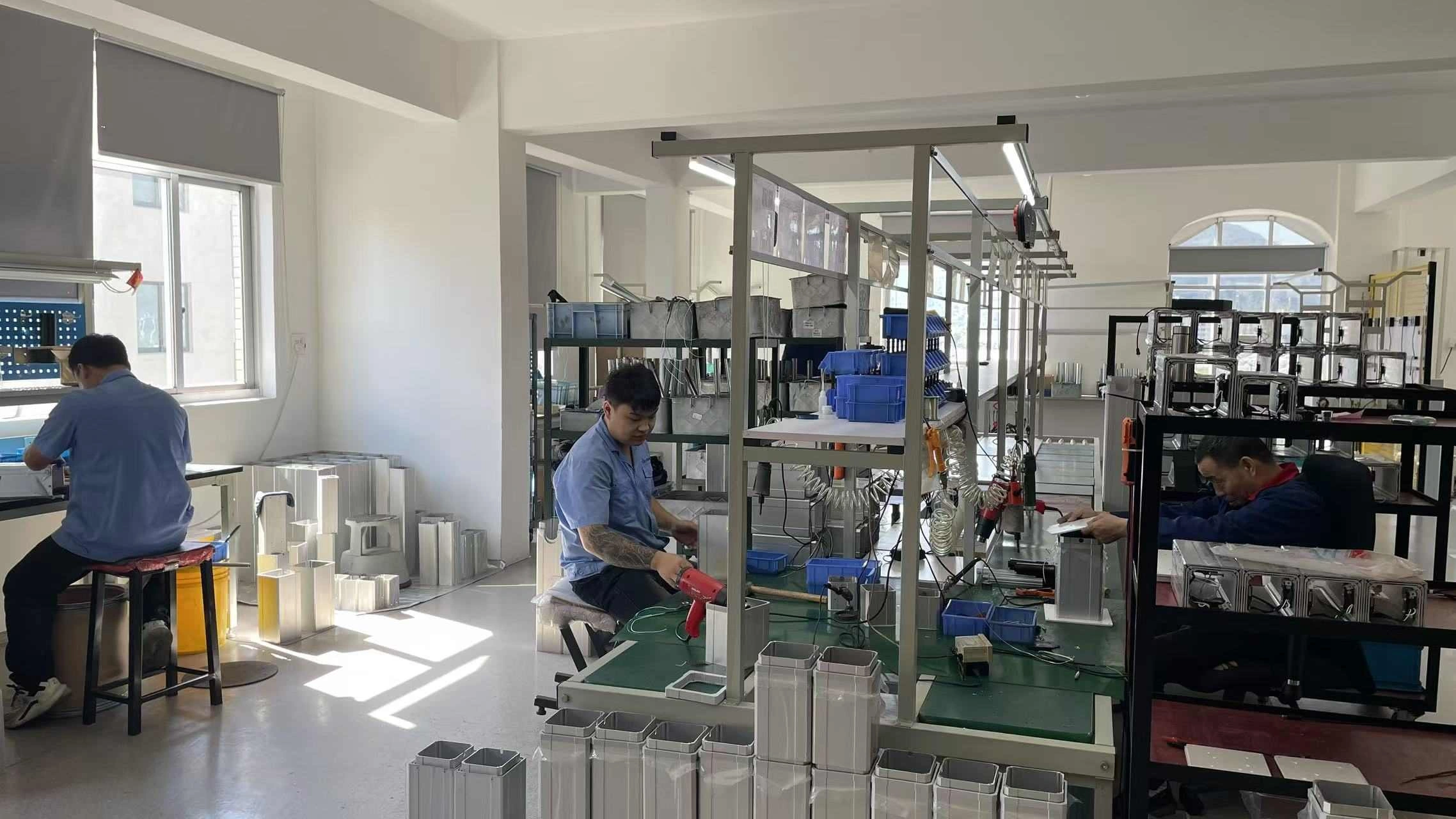
Use visible factory context to support questions, not to manufacture claims.
Facility and process images help a buyer inspect context. Certification status, test scope, inspection frequency, and document applicability still require controlled evidence tied to the project.
Frequently asked certification-support questions.
Keep the answer tied to the exact market, application, configuration, and approval decision.
What does linear actuator certification support include?
It can include identifying the buyer’s evidence requirements, checking which documents may be available, reviewing configuration applicability, and identifying items that still require verification. It does not mean every actuator has the same approval package.
Which compliance documents should I request?
Start with the destination market, application, exact configuration, and your organization’s approval criteria. Then identify the declarations, certificates, technical records, inspection/test evidence, or buyer-specific records relevant to that decision.
How do I know whether a document applies to my actuator?
Match it to the covered model or configuration, revision, date, responsible entity, destination market, intended use, and stated conditions. If those items are unclear, keep applicability pending until checked.
Are actuator certification requirements the same for every application?
No universal requirement set should be assumed. Applicable requirements can vary with jurisdiction, end use, environment, system role, risk level, and customer specifications.
Does actuator documentation prove my complete machine is compliant?
Do not assume that component-level evidence establishes the status of the complete machine or system. Final integration can introduce additional requirements that need separate review.
What should I send for a certification-support review?
Send the target market, application, actuator or motion requirements, proposed configuration, project stage, relevant environment, and the evidence or approval checklist required by your organization or customer.
What happens if a requested document is not verified yet?
Keep it as a pending item and confirm availability, scope, revision, and applicability before using it as approval evidence.
Request an evidence review for the project you are actually approving.
Send your target market, application, actuator or system requirements, proposed configuration, project stage, and the documents or acceptance evidence required by your approval process.