
-
Call Now +86 19871701686
-
Any Questions info@servocylmotion.com
29V power platform / actuator system integration
29V Linear Actuator Power Supplies
Compare four recorded 29V supply configurations across 1.8A, 2.0A and 3.0A output classes. Select around real current demand, startup behavior, connector and polarity, controller interface, mains connection and installation space—not wattage alone.
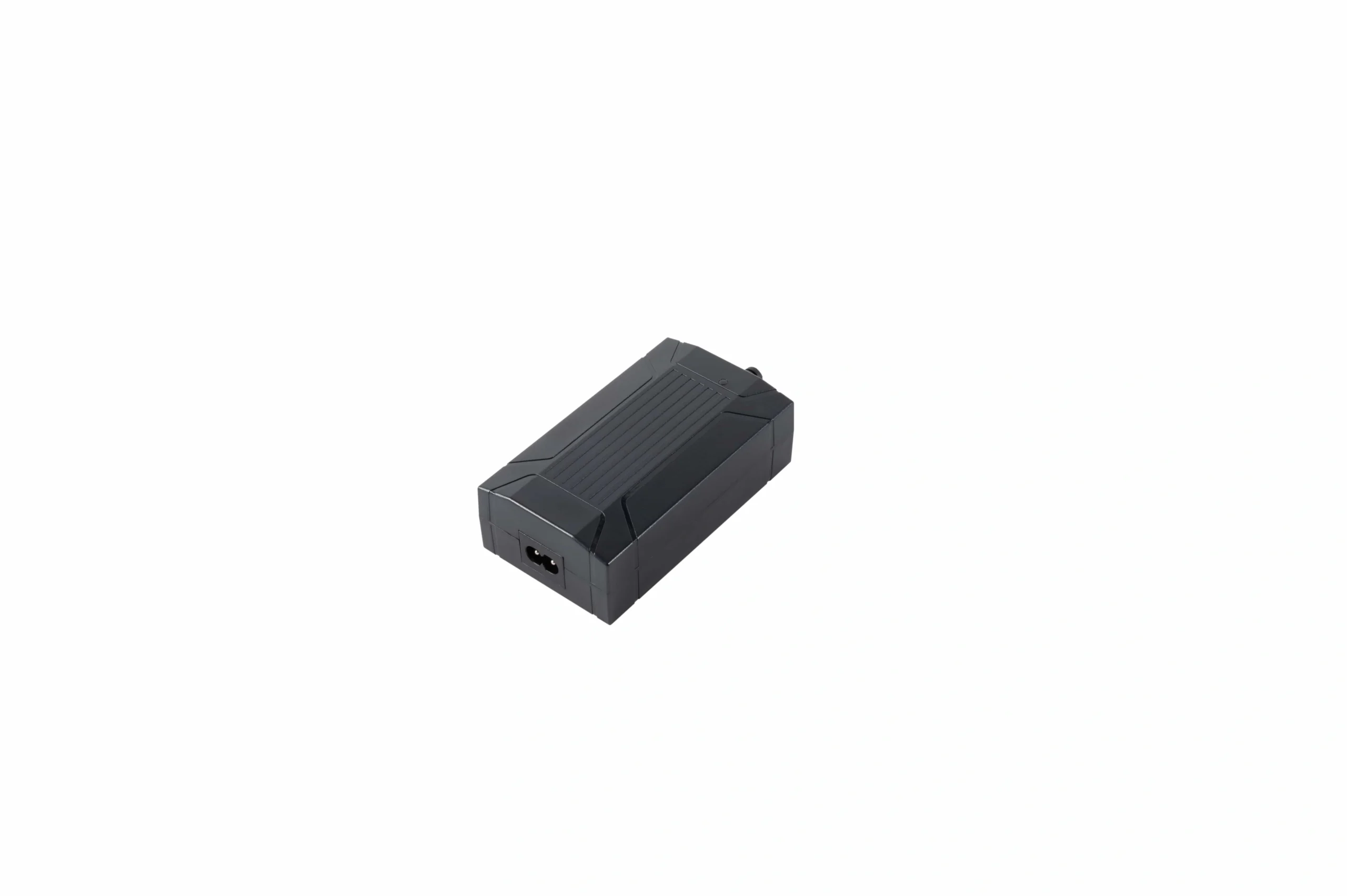
Desktop / 3.0A class
87W
29.0V / 3.0A recorded output class
29.0V
Recorded DC output platform
1.8–3.0A
Recorded output classes
52–87W
Nominal power range
100–240V~
50/60Hz recorded AC input
/ 01 / Compare the recorded options
Same 29V platform. Different current capacity and installation behavior.
Use the interactive comparison to focus one configuration, then confirm the complete actuator/controller/load combination before release.
Focused configuration
3A Desktop Power Supply
Highest current capacity in this recorded family.
29.0V / 3.0A
Output
87W
Nominal power
Desktop
Form factor
Recorded input: 100–240V~, 50/60Hz. Final selection still requires current-demand, startup, connector, polarity and system-interface review.
| Configuration | Output | Nominal power | AC input | Form factor | Typical selection reason |
|---|---|---|---|---|---|
| 3A Desktop Power Supply | 29.0V / 3.0A | 87W | 100–240V~, 50/60Hz, 2.5A | Desktop | Highest current capacity in this recorded family |
| Standard Desktop Power Supply | 29.0V / 2.0A | 58W | 100–240V~, 50/60Hz, 1.6A | Desktop | Mid-range output with an external desktop format |
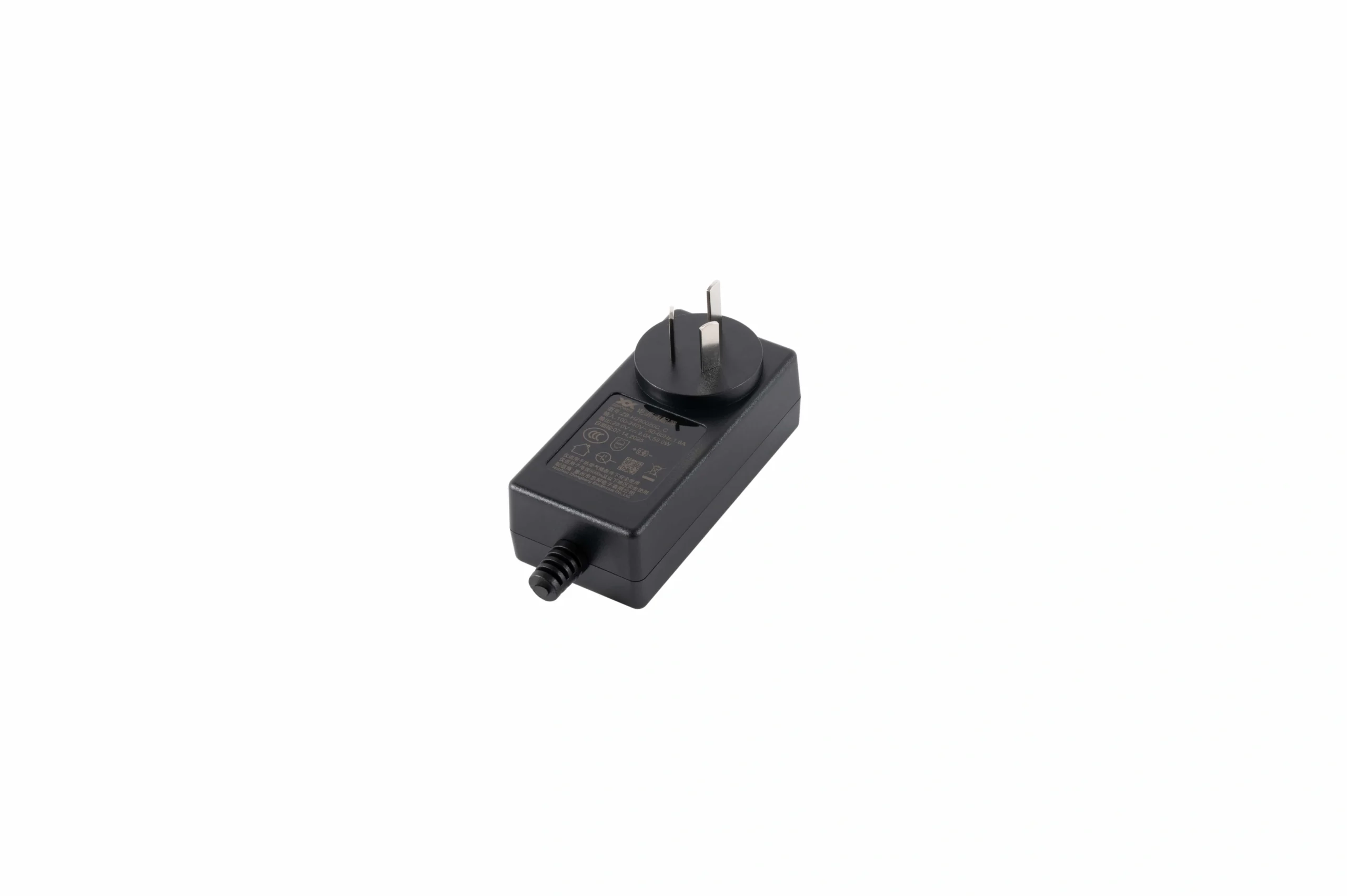
| 2A Wall Plug Power Supply | 29.0V / 2.0A | 58W | 100–240V~, 50/60Hz, 1.6A | Wall plug | Same electrical class as the 58W desktop unit in a different format |
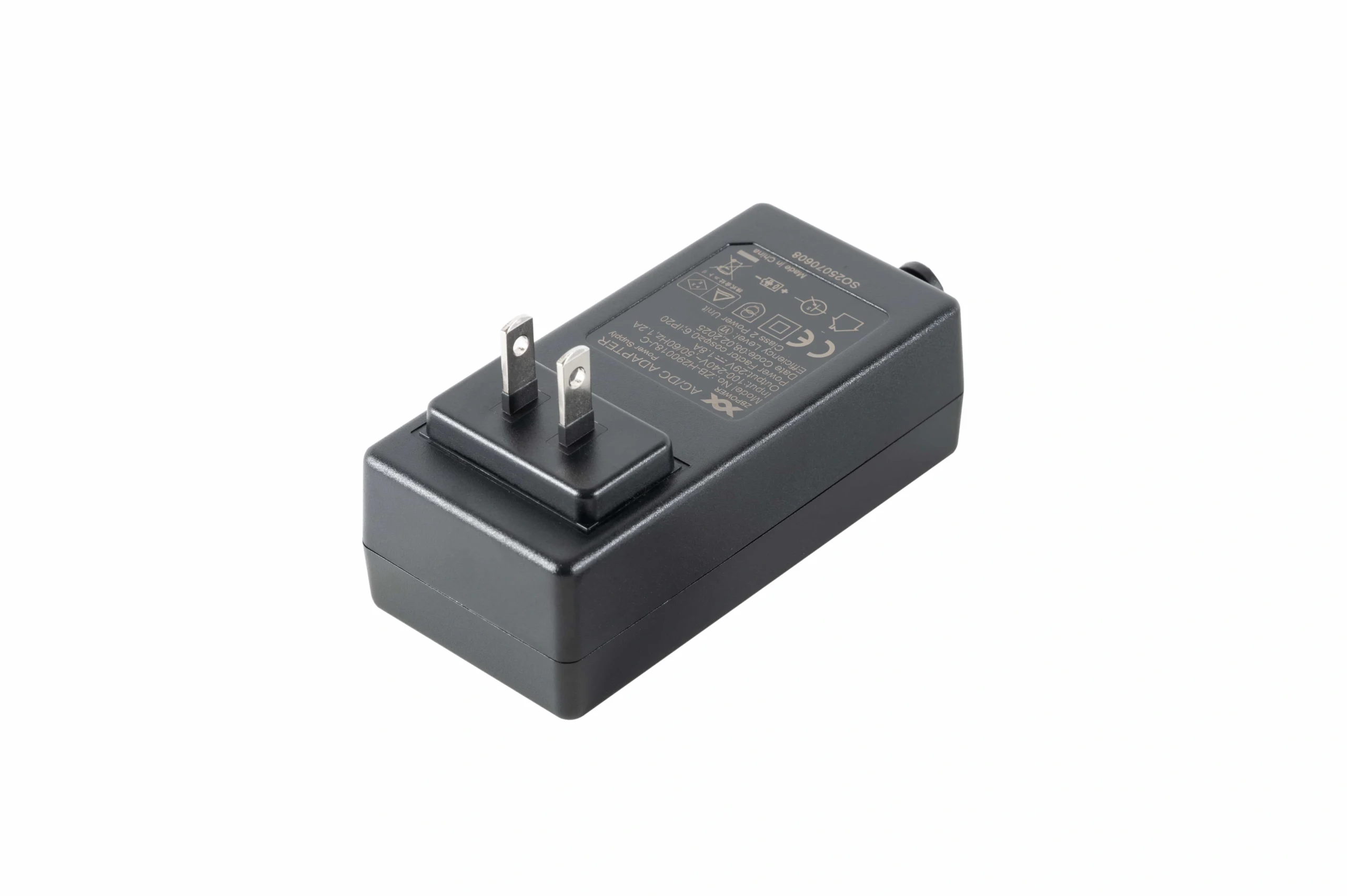
| 3-Pin Wall-Mounted Power Supply | 29.0V / 1.8A | 52W | 100–240V~, 50/60Hz, 1.2A | Three-pin wall-mounted | Lower-current compact wall-mounted option |
Output relationship
P = V × I
The arithmetic compares output classes; it does not establish compatibility for a particular actuator system.
52.2W
29V × 1.8A
58W
29V × 2.0A
87W
29V × 3.0A
/ 02 / Select by current demand
29V is the first filter—not the final compatibility decision.
Confirm how much current the actuator, controller and simultaneous loads require during normal operation and at startup. Motor startup or stall conditions can demand more current than steady running operation, so design headroom around the real motion sequence rather than a nominal running figure.
01
Record continuous current under representative mechanical load.
02
Review startup or stall demand for the exact actuator/control configuration.
03
Check whether multiple loads can start or run simultaneously.
04
Remember: a 3A supply offers capacity; it does not force 3A through the load.
/ 03 / Integration is physical + electrical
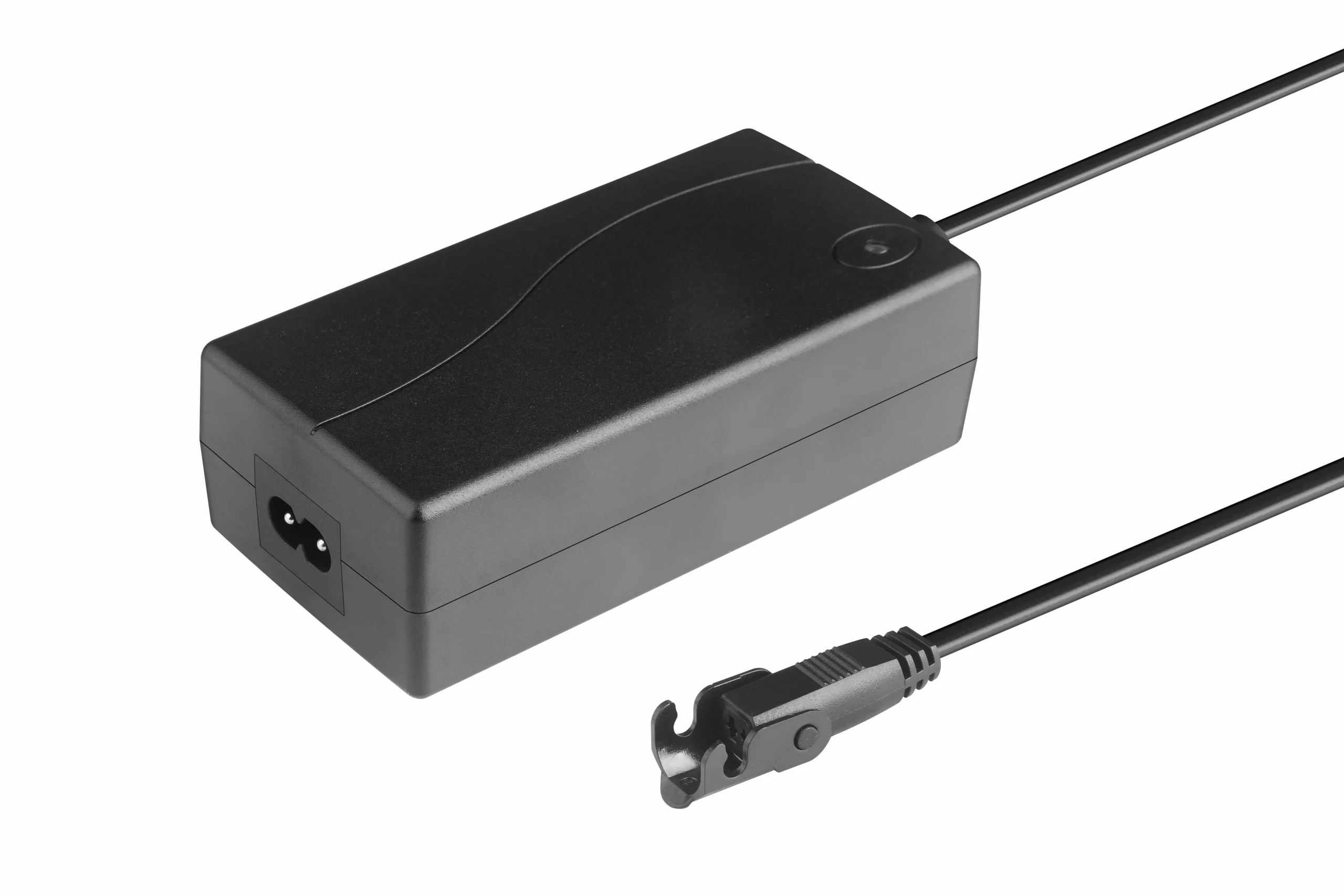
Desktop and wall-plug units solve different packaging problems.
The two 58W configurations are both recorded at 29.0V / 2.0A, yet their installation behavior differs. Outlet clearance, enclosure layout, cable routing, service access and packaging can make form factor an engineering criterion.
/ 04 / Complete connection chain
Compatibility goes beyond the 29V label.
Before production release, confirm the whole path from mains connection through the power supply, controller and actuator under representative load.
01 / DEMAND
Current + startup
Continuous demand, startup headroom, simultaneous loads.
02 / OUTPUT
Supply class
1.8A, 2.0A or 3.0A based on validated demand.
03 / INTERFACE
Connector + polarity
Pinout, polarity and controller/control-box interface.
04 / MOTION
Representative load
Duty, stroke, stopping and loaded behavior.
05 / MAINS
Regional connection
Plug or detachable cable, routing and destination market.
06 / RELEASE
Evidence + validation
Protection, documentation, compliance and final system test.
/ 05 / Global programs
Universal AC input simplifies the platform—but does not finish market qualification.
The four recorded variants use 100–240V~, 50/60Hz input. That can reduce electrical variation across a global hardware program, while regional plug or cable sets handle the local mains interface.
Still confirm the exact shipped combination, labeling, documentation and applicable market requirements for each destination. Treat universal input as an electrical capability, not universal approval.
System boundary
Supply ≠ complete system
Actuator, controller, cabling, mains interface and mechanical operating load should be reviewed together before qualification.
/ 06 / Validation sequence
Validate the complete motion system before production.
A configuration-first sequence reduces the risk of selecting an adapter by voltage or wattage alone.
01
Architecture
Confirm actuator and control architecture.
02
Demand
Record normal and startup current under load.
03
Class
Select 1.8A, 2.0A or 3.0A.
04
Interface
Confirm connector, pinout, polarity and mains side.
05
Evidence
Review protection and configuration documentation.
06
Test
Validate startup, full stroke, stopping and loaded behavior.
/ 07 / FAQ
Selection questions before release.
Use these as screening answers. The final choice remains configuration-dependent.
Is a 29V output enough to confirm compatibility?
No. It is the first electrical filter, but current demand, startup behavior, connector and polarity, controller interface, cabling and the exact actuator configuration also need to match.
What is the practical difference between 52W, 58W and 87W?
The recorded classes correspond to 1.8A, 2.0A and 3.0A at 29V. Higher wattage means more available current capacity, not automatic suitability for every actuator system.
Why are there two 58W options?
One is a 29.0V / 2.0A desktop supply and one is a 29.0V / 2.0A wall-plug supply. Their recorded electrical class is the same, while physical installation differs.
Does a 3A supply make an actuator draw 3A?
No. The rating describes available current capacity. Actual current depends on the connected load and its operating condition within the supply’s limits.
What should be checked for motor startup?
Review startup or stall current for the exact actuator/control configuration, including whether several loads can start at once. Validate under representative mechanical load.
Can one supply format be used worldwide?
The listed variants use 100–240V~, 50/60Hz input, but destination plug or cable, labeling, compliance documentation and the exact shipped configuration still need market-specific review.
Matched 29V power package
Build the supply around the actuator system—not the label.
Provide the actuator model or load/speed configuration, controller choice, operating sequence, destination market, connector details and cable requirements.
Request a configuration review →