
Regional Power Plug Standards for Actuators: US, Europe, and UK
A B2B export-BOM guide to US, European, and UK wall-plug systems, IEC C7/C8 equipment connectors, grounding, ratings, documentation, and change control.

For an actuator system sold across multiple markets, “use the US plug,” “use the EU plug,” or “use the UK plug” is not a complete BOM instruction. The wall-side plug is only one part of the mains interface. Procurement and engineering also need to freeze the exact destination, grounding architecture, equipment-side connector or inlet, electrical ratings, cable construction, markings, approval documents, and revision control.
The most useful way to manage regional power plug standards for actuators is to separate wall-side regional requirements from the equipment-side interface . That distinction makes it easier to keep one equipment platform while managing destination-specific cordsets without assuming that plug shape alone proves compatibility or compliance.
Table of Contents
Wall-side plug and equipment-side connector are different decisions
A detachable mains cord can have two independently specified ends:
- Wall side: the plug that matches the destination-market socket system.
- Equipment side: the connector that mates with the equipment, external power supply, control box, or other approved inlet.
IEC 60320 appliance couplers are commonly used on the equipment side of many electrical products. The regional wall plug remains country-specific. This split is useful for export BOMs because it prevents a regional wall-plug name from being mistaken for the complete electrical interface.
Before selecting a cordset, define both ends explicitly. If the system does not use a detachable IEC-style interface, document the actual connection architecture instead of forcing an IEC designation into the BOM.
The wall-side plug is a destination-specific BOM item and should be specified separately from the equipment-side connector.
US, Europe, and UK plug comparison for an export BOM
The table below is a sourcing comparison, not a substitute for destination-country electrical requirements.
| Market / region | Common wall-side examples | Grounding / protection point | What to freeze in the BOM |
|---|---|---|---|
| United States | NEMA 1-15 and NEMA 5-15 are common straight-blade examples | NEMA 1-15 is a two-wire configuration; NEMA 5-15 is a three-wire configuration | Exact NEMA configuration, electrical rating, conductor arrangement, equipment-side connector, markings, and required approval documents |
| Continental Europe | Type C, E, and F families are common examples in broad regional references | Grounding method differs by plug family and destination | Exact destination country, accepted plug/socket system, grounding requirement, ratings, cable designation, markings, and approval documents |
| United Kingdom | BS 1363 plug/socket system | BS 1363-1 covers 13A fused plugs | BS 1363 plug requirement, fuse selection as applicable to the cordset design, equipment-side connector, cable/rating data, markings, and required documentation |
The important engineering point is that “Europe” is not one universal plug specification . Broad references commonly group Type C, E, and F plugs with European markets, but country-level socket systems and acceptance requirements vary. The BOM should therefore name the actual destination country or approved market list rather than using “EU plug” as the only requirement.
United States: specify the NEMA configuration, not just “US plug”
NEMA straight-blade configurations are identified by their pin arrangement and electrical class. In the captured NEMA reference, NEMA 1-15 is listed as 125V AC, 15A, two wires and two poles, while NEMA 5-15 is listed as 125V AC, 15A, three wires and two poles.
That difference matters because the two configurations do not represent the same grounding architecture. A BOM that simply says “US plug” leaves too much unresolved for sourcing, inspection, and replacement.
For a US-bound actuator system, record at least:
- exact NEMA designation;
- whether the equipment architecture requires a protective-earth path;
- the equipment-side connector or inlet;
- cord and connector ratings appropriate to the approved system;
- required cable markings and supplier documentation;
- the controlled supplier part number and revision.
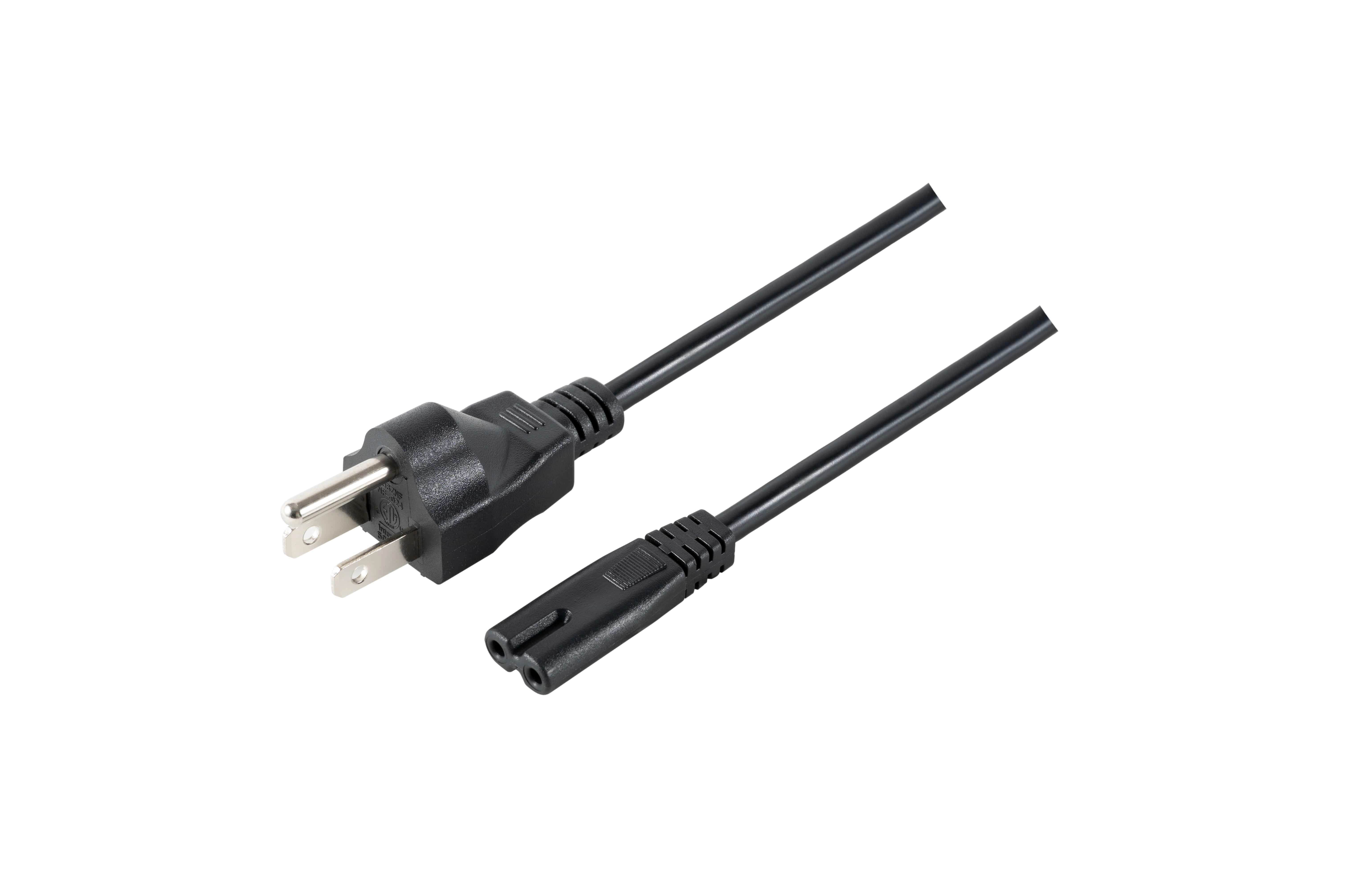
Grounding requirements must be defined in the BOM; a grounded configuration is not interchangeable with an ungrounded one.
Continental Europe: do not reduce several national systems to one “EU plug”
Global plug references show multiple plug families across Europe rather than one universal socket design. Type C, E, and F are common examples, but a familiar two-round-pin appearance is not enough to establish market suitability.
For export sourcing, treat “European plug” as a starting category only. The controlled BOM should identify the actual destination and the accepted plug/socket system for that destination. It should also define grounding, cable construction, electrical ratings, markings, and the documentation that purchasing and quality teams must receive.
This country-level approach is especially important when one product platform is shipped to several European markets. A single generic line item can hide differences that later appear during incoming inspection, documentation review, or distributor onboarding.
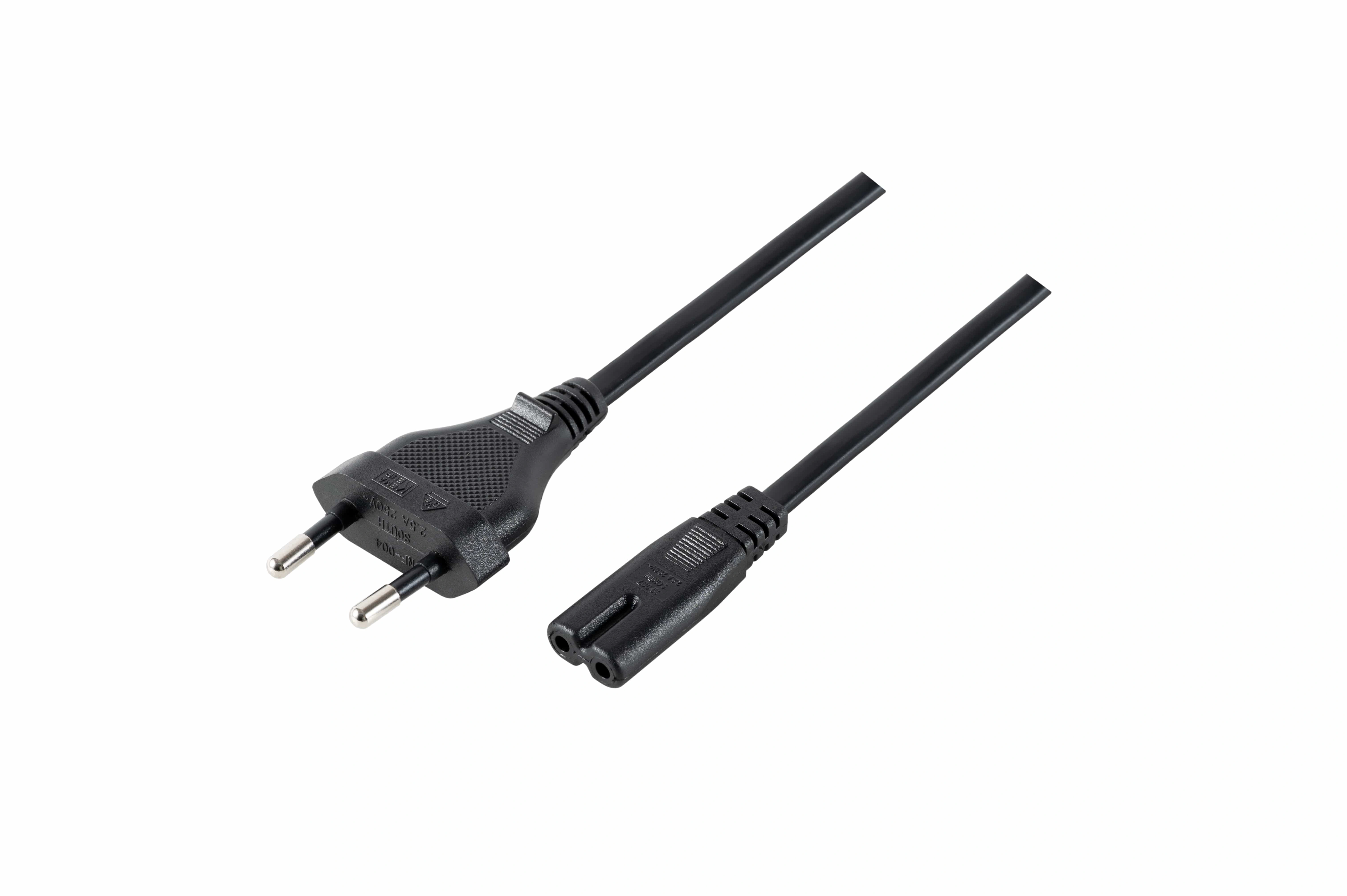
A familiar round-pin shape does not by itself define country coverage, rating, grounding, or approval status.
United Kingdom: BS 1363 is a fused-plug system
The British Standards Institution describes the BS 1363 series as the UK national electrical plug and socket outlet system. BS 1363-1 specifies requirements for 13A fused plugs for household, commercial, and light-industrial use.
For a UK cordset, the fuse is therefore not an incidental visual detail. It belongs in the controlled technical definition together with the plug construction, cable, equipment-side connector, electrical ratings, markings, and documentation required for the target application.
Do not infer that a three-rectangular-pin plug is acceptable merely because it physically fits a UK socket. The complete cordset and the connected equipment still need to meet the applicable design and destination requirements.
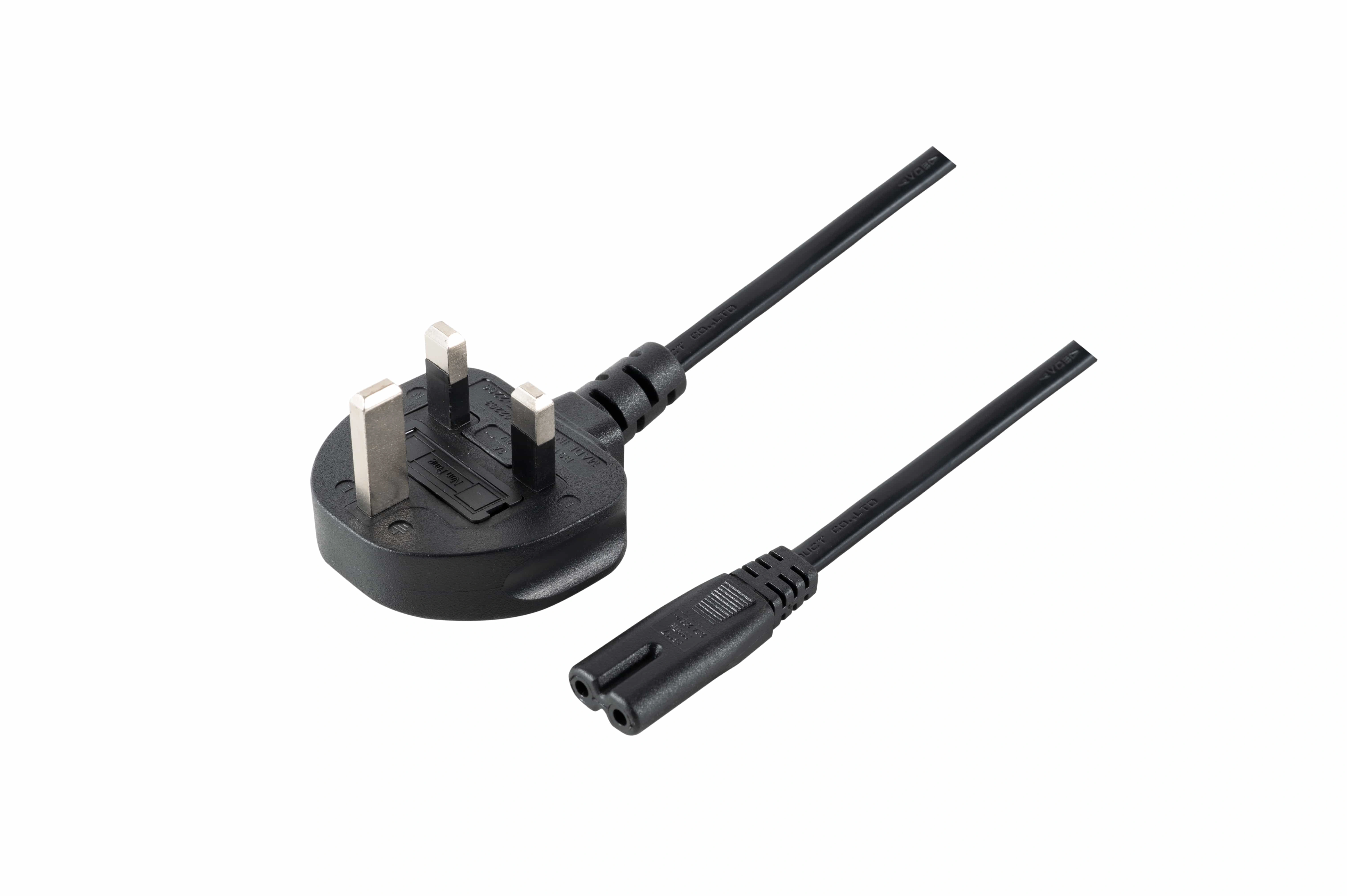
UK cordset selection should account for the BS 1363 plug system, including the plug fuse and the complete cordset specification.
What is IEC C7, and how is it different from the regional wall plug?
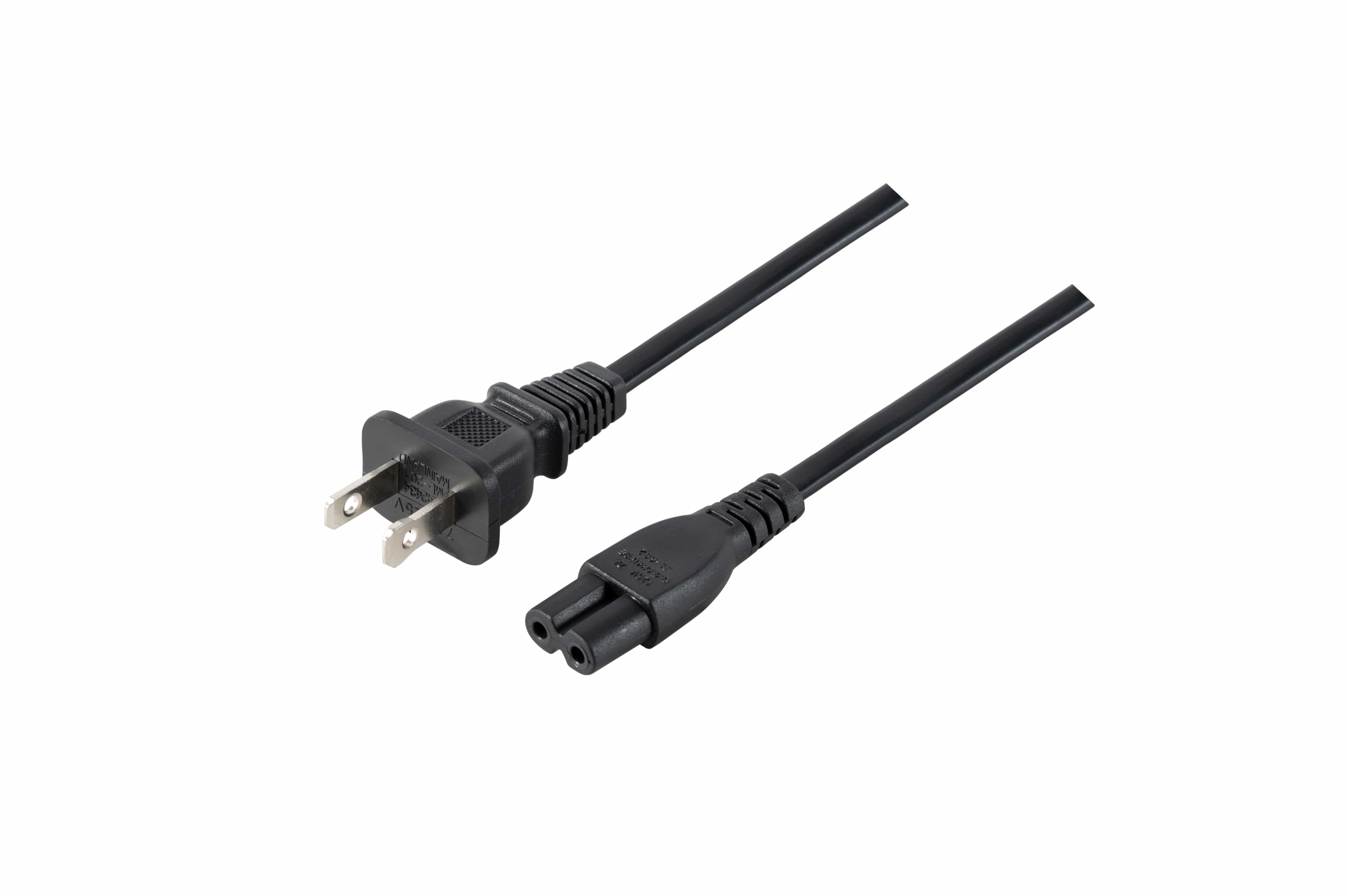
IEC 60320 C7 is a two-pole, non-grounded appliance connector that mates with a C8 inlet. It is commonly called a “figure-8” connector. Interpower describes the C7/C8 pair as a Class II configuration with no ground contact.
In the sampled technical references, C7 is commonly shown with an international rating of 2.5A at 250VAC . The sampled sources disagree on one North American current figure, so do not treat a single North American ampere value as universal. Use the actual connector manufacturer data, approval file, and system requirements for the component being sourced.
This distinction is important:
- C7/C8 describes the equipment-side appliance-coupler interface.
- NEMA, BS 1363, and country plug families describe the wall-side interface.
A cordset can therefore be described as a specific regional wall plug on one end and a C7 connector on the equipment end, but only when the target equipment is designed and approved for that interface.
When C7/C8 is not the right choice
C7/C8 has no protective-earth contact. If the equipment architecture requires protective earth, a grounded connector family or another approved connection method is needed. The correct choice follows the equipment safety architecture; it should not be selected only because the connector is compact or familiar.
Grounding comes before plug appearance
A reliable export BOM starts with the equipment protection architecture, then selects a compatible cordset. This avoids a common mistake: choosing a plug that fits the destination socket while overlooking whether the equipment requires two-wire or grounded service.
Before release, engineering should answer:
- Does the equipment safety design require protective earth, or is it designed for a no-ground interface such as a Class II C7/C8 application?
- Is protective earth required at the equipment interface?
- Does the selected equipment-side connector provide the required contacts?
- Does the regional wall-side plug and cable assembly preserve that grounding architecture?
- Are conductor count, ratings, markings, and documentation consistent across the complete assembly?
If those answers are not frozen, the plug photograph is not enough to approve the BOM.
Ratings, cable construction, markings, and approvals must travel together
A power-cord decision is not only mechanical. The sampled technical sources repeatedly tie safe selection to electrical rating, connector pairing, cable construction, grounding, and local requirements.
For procurement, keep these fields together in one controlled record:
| BOM field | Why it matters |
|---|---|
| Destination country / market | Prevents broad regional labels from replacing an exact market requirement |
| Wall-plug standard / configuration | Defines the actual socket-side interface |
| Equipment-side connector / inlet | Prevents confusion between regional plug type and appliance coupler |
| Grounding architecture | Determines whether a two-wire or protective-earth path is required |
| Voltage and current ratings | Must match the approved equipment and cordset design |
| Cable construction / conductor data | Supports electrical and mechanical suitability |
| Temperature rating where applicable | Prevents use outside the connector/cable rating |
| Fuse requirement where applicable | Relevant to systems such as BS 1363 cordsets |
| Markings / approval documents | Provides evidence beyond physical appearance |
| Supplier part number and revision | Supports traceability and change control |
For system-level review, the same fields can be checked alongside the broader power and connection compatibility requirements.
Export BOM sourcing checklist
Use this sequence before a regional cordset is released for purchasing:
- Name the destination country. Do not stop at “US,” “Europe,” or “UK” when the sales destination is more specific.
- Choose the exact wall-side standard or configuration. Record the controlled designation, not only a photograph or informal nickname.
- Confirm the equipment-side interface. Identify C7/C8 or another connector/inlet only when the equipment architecture supports it.
- Freeze grounding requirements. Confirm whether protective earth is required and whether every part of the connection path preserves it.
- Check electrical and temperature ratings. Use the approved component data for the actual cord, connector, inlet, and equipment combination.
- Define cable construction and markings. Keep conductor and cable requirements in the same controlled BOM line or linked specification.
- Define destination documentation. Record the approvals, declarations, test evidence, or supplier documents required by your quality process and market.
- Assign a supplier part number and revision. Prevent visually similar cords from being substituted without review.
- Add incoming-inspection criteria. Verify identity, markings, configuration, revision, and required documentation against the controlled specification.
- Control changes. A plug, connector, cable, supplier, rating, or approval change should trigger the appropriate engineering and quality review.
Once those requirements are frozen, compare the available regional cordset options . If the project needs a different length, connector combination, labeling scheme, or assembly configuration, route the requirement through cable-assembly customization rather than turning the standards article into a product specification.
A practical decision flow
For an OEM actuator program, the decision order can be kept simple:
Destination country → wall-side plug standard → equipment protection/grounding architecture → equipment-side connector → ratings and cable construction → markings/approval documents → supplier part number → inspection and change control.
This sequence reduces two common errors: treating a geographic label as a complete specification and treating physical fit as proof of electrical or regulatory suitability.
FAQs
Is there one standard “EU plug”?
No. Broad regional references show several plug families across Europe, including Type C, E, and F examples. Select by the actual destination country and applicable requirements rather than assuming one plug covers every European market.
What plug configuration is commonly used in the United States?
NEMA 1-15 and NEMA 5-15 are common straight-blade examples. They are not equivalent: the sampled NEMA chart lists 1-15 as two-wire and 5-15 as three-wire. Use the exact configuration required by the equipment and destination.
What is an IEC C7 connector?
IEC C7 is a two-pole, non-grounded appliance connector that mates with a C8 inlet. It is an equipment-side connector, not a country-specific wall-plug designation.
Does a plug that physically fits prove the cordset is acceptable?
No. Physical fit does not establish the required grounding architecture, electrical ratings, cable construction, markings, approvals, or documentation.
Can the same actuator system use different regional cordsets?
Potentially, but only when the approved equipment or power-supply architecture supports the relevant mains range, connector interface, grounding scheme, and destination requirements. Do not assume interchangeability from the wall-plug shape alone.
Freeze the BOM before ordering
Before purchasing a regional mains cord for an actuator project, freeze the destination, exact wall-side configuration, equipment-side interface, grounding architecture, ratings, cable requirements, markings, documentation, and revision. If any of those fields are still open, resolve them before the cordset becomes a released production item.
For application-specific review, contact ServoCylMotion with the destination market, equipment interface, electrical requirements, and documentation expectations already identified.
References
- British Standards Institution — BS 1363 13A plugs, socket-outlets, adaptors and connection units
- World Standards — Plug and socket types around the world
- Interpower — Designing with IEC 60320 C5/C7 connectors and C6/C8 inlets
- StayOnline — NEMA straight-blade reference chart
- World Cord Sets — IEC 60320 reference chart
- Lanz Manufacturing — Global IEC power-cord and regional plug guide