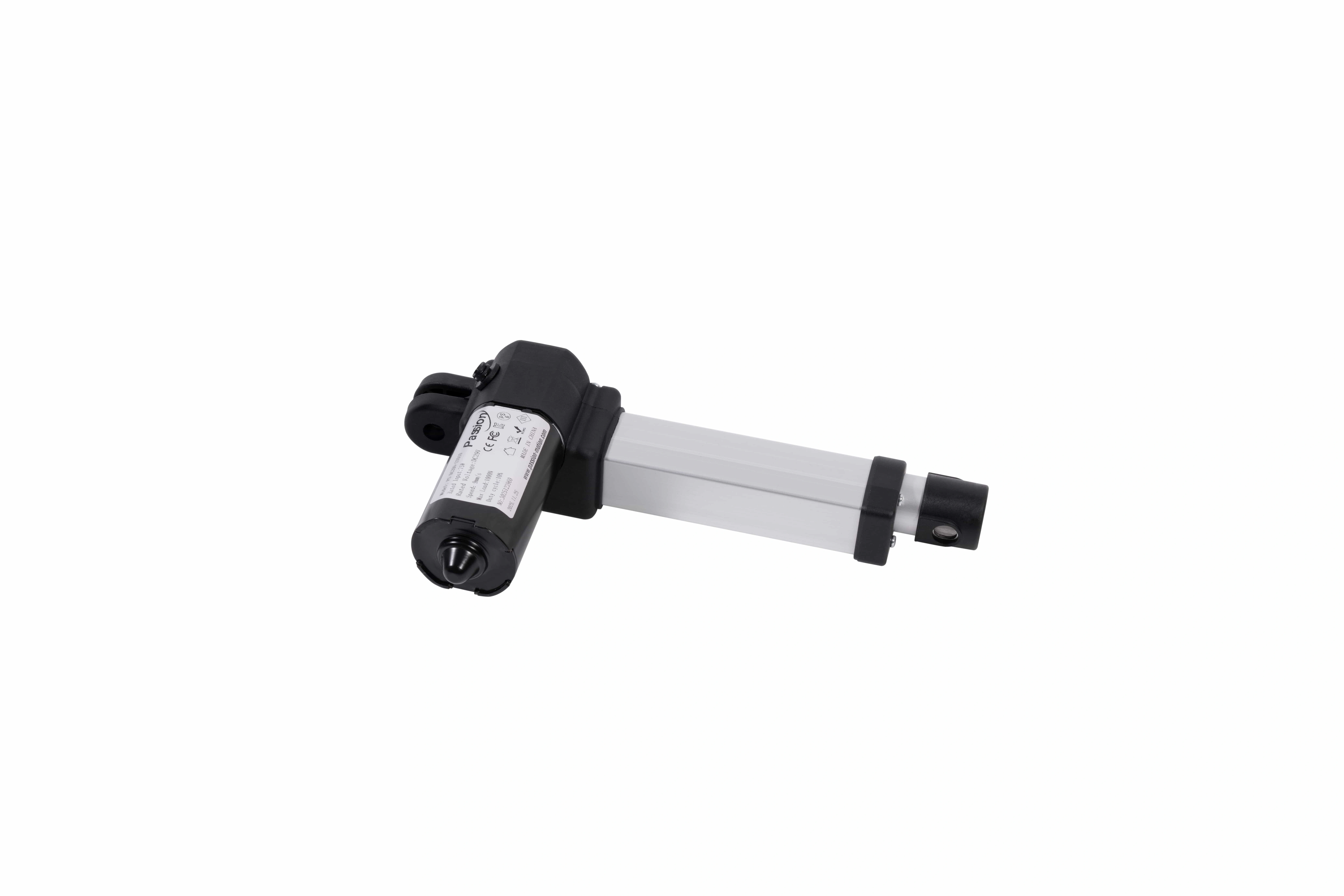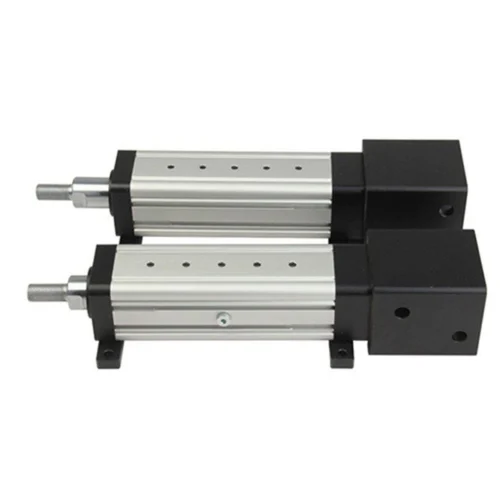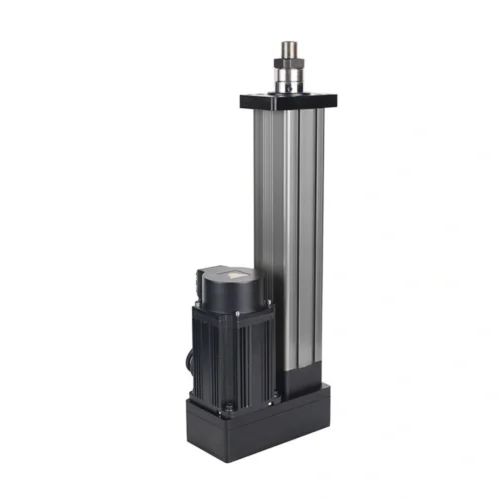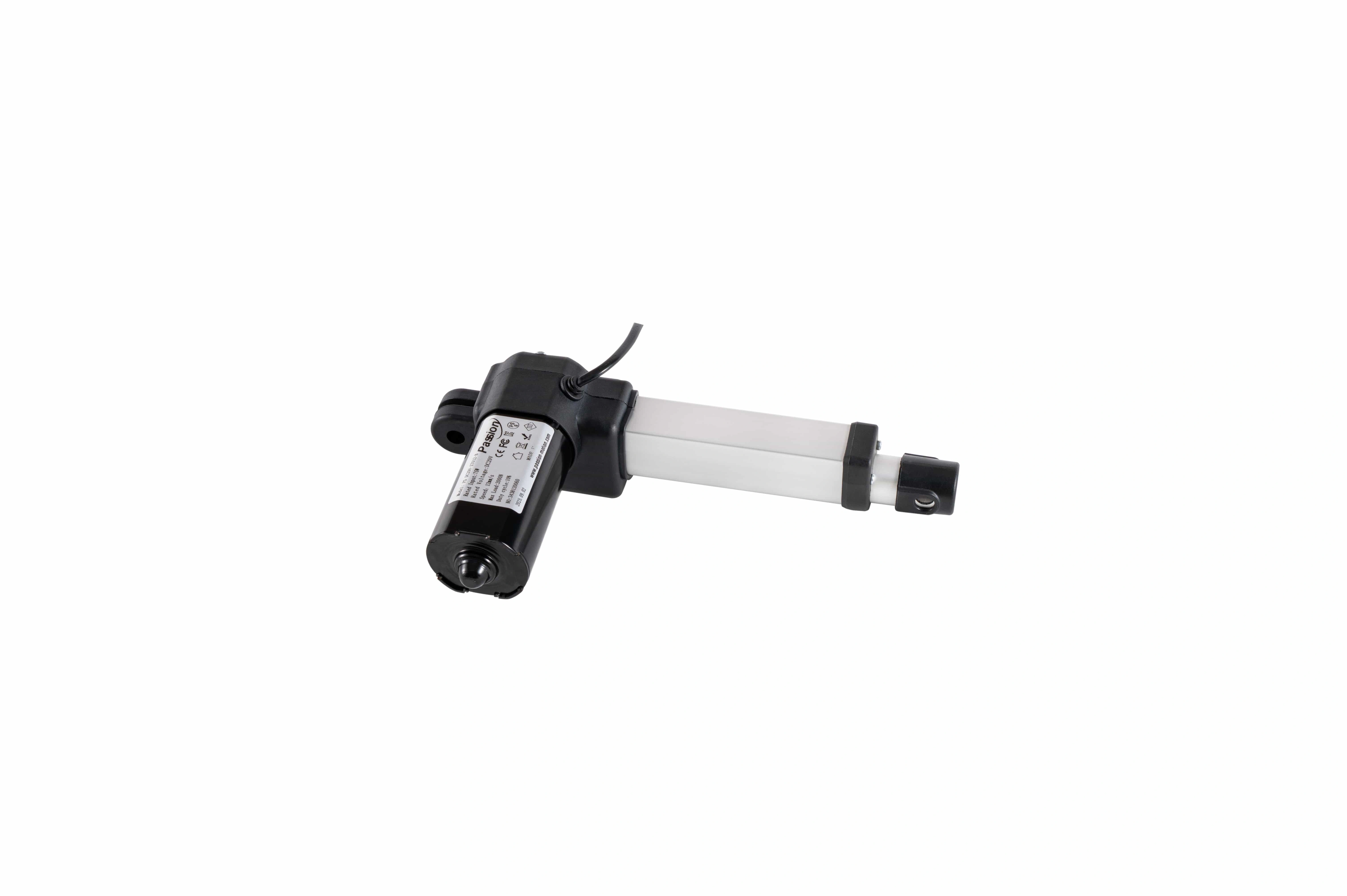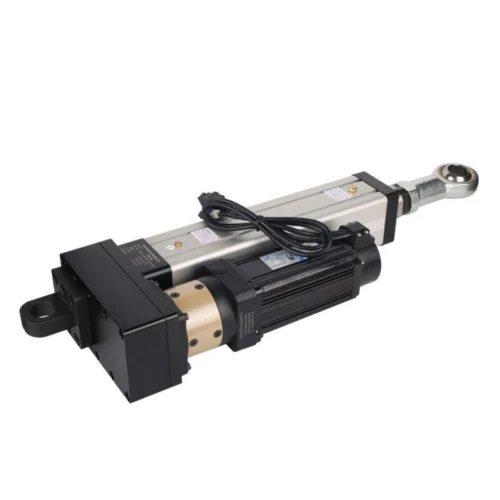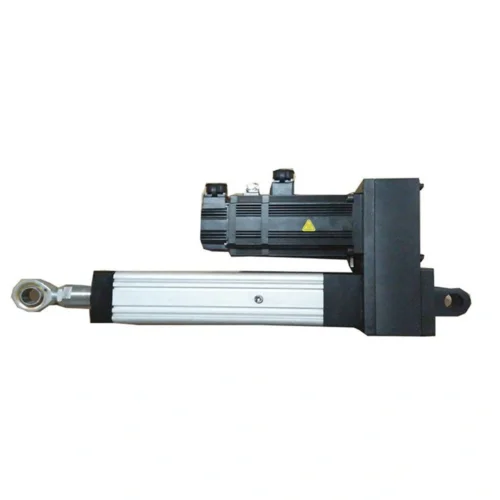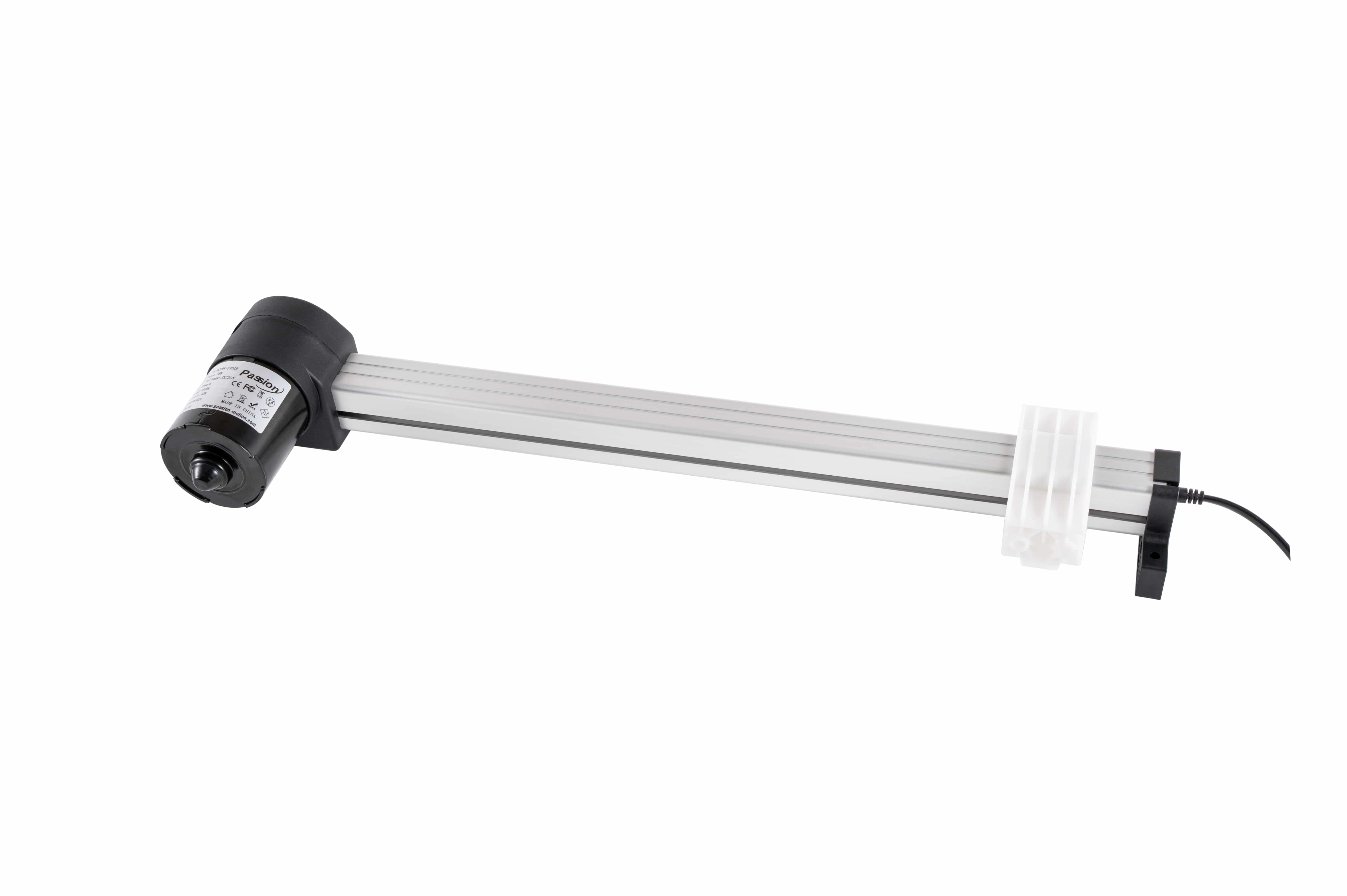


PT16 Linear Actuator: 3000N, 50mm/s Speed
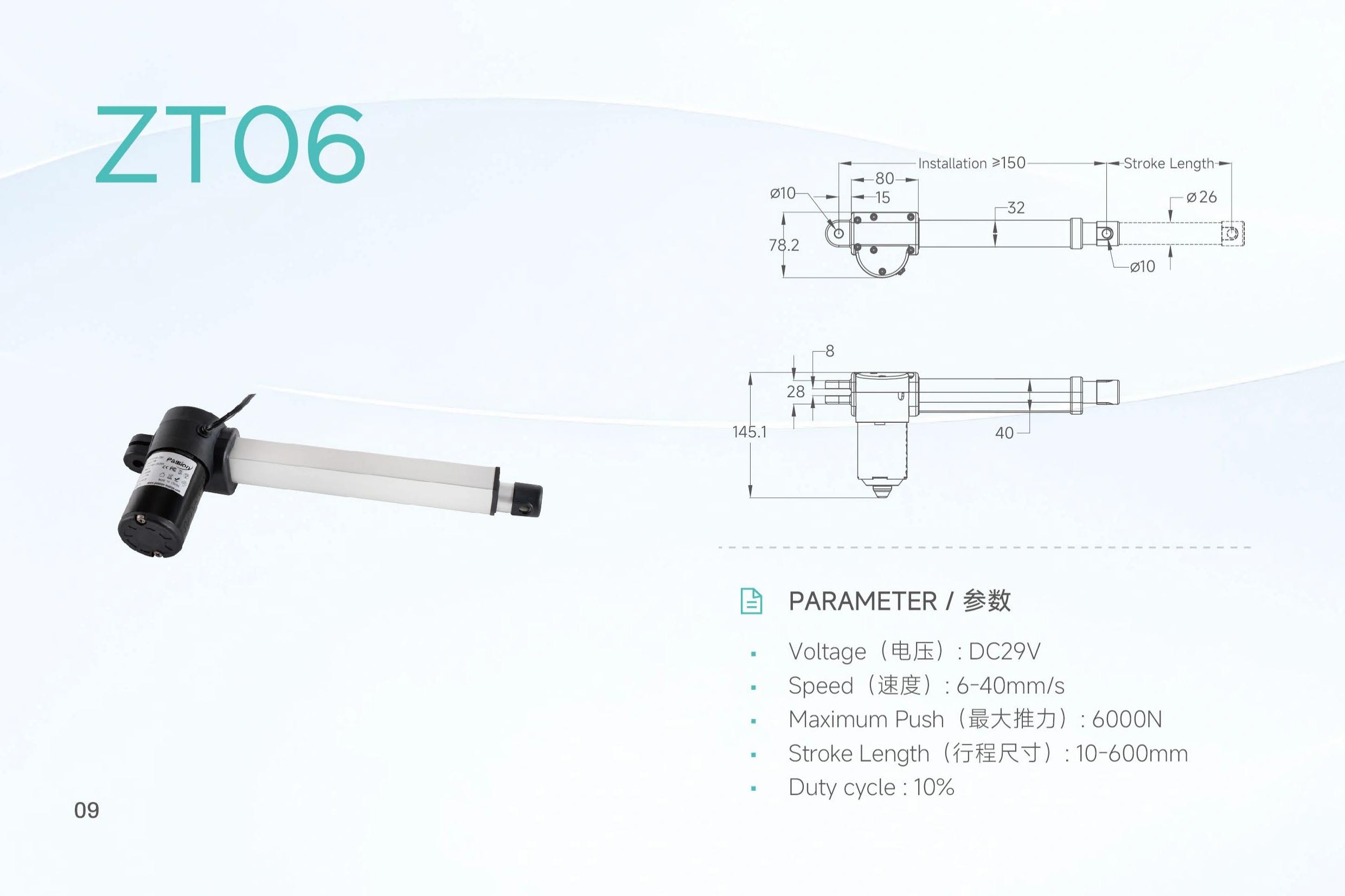
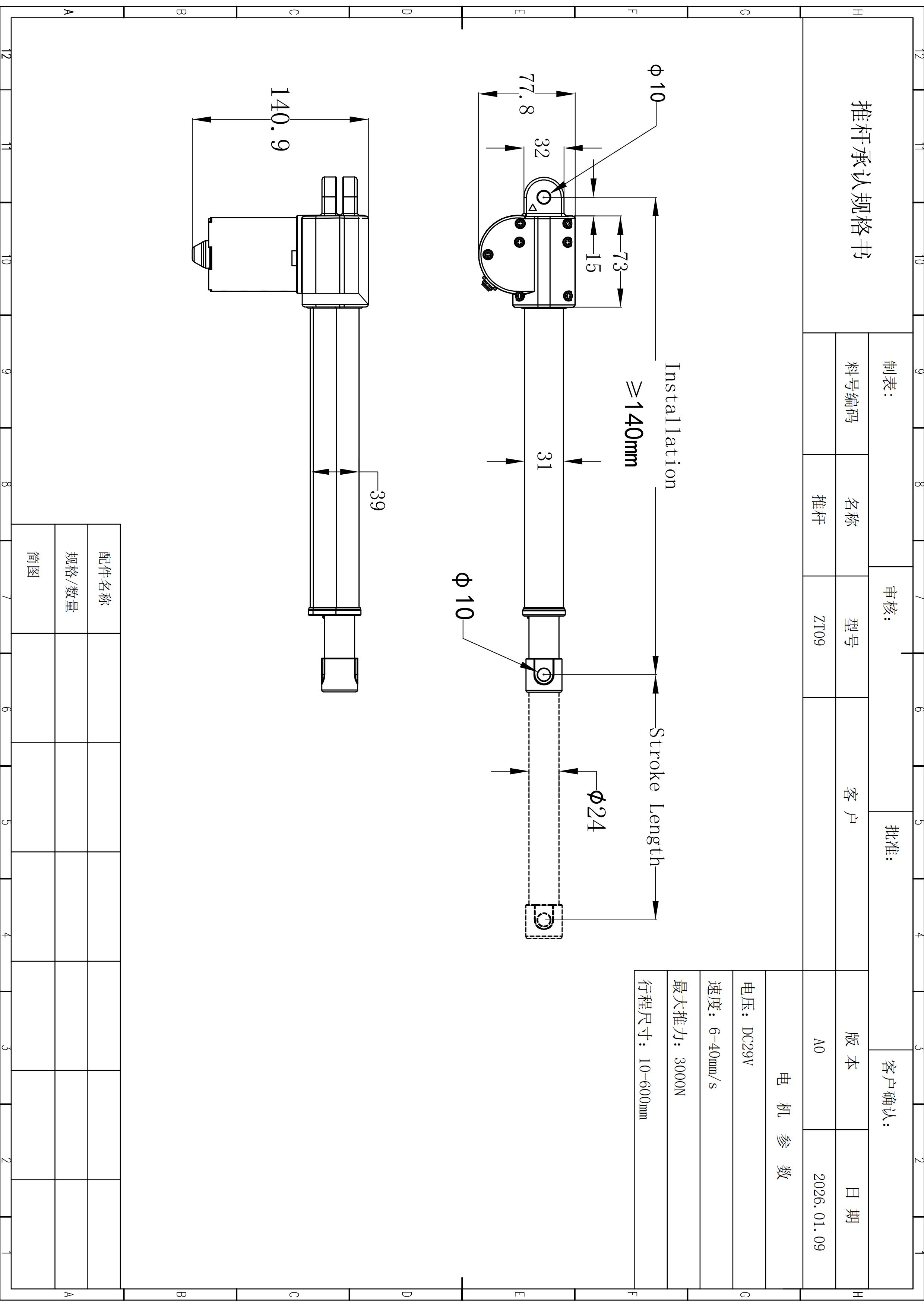
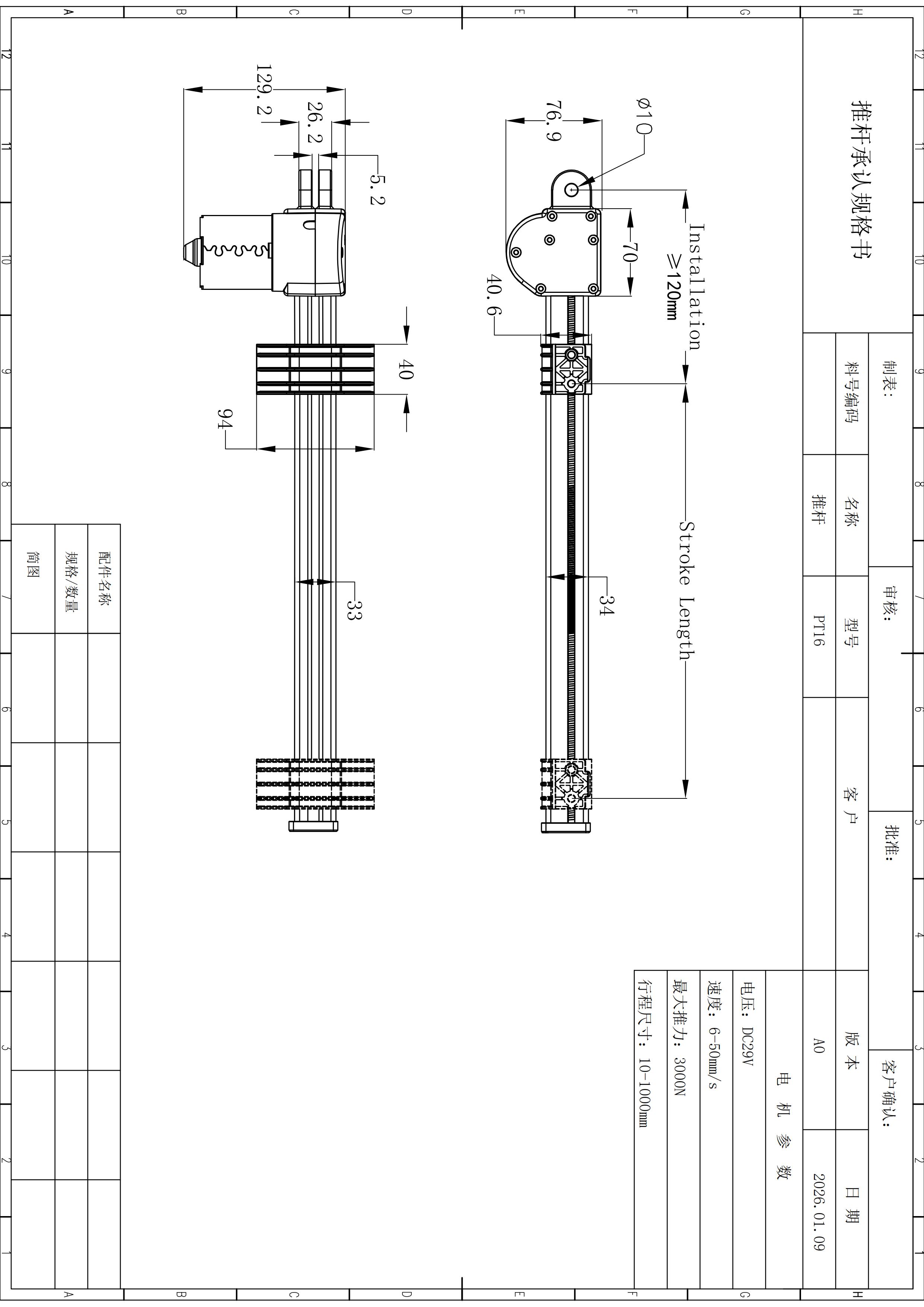
Check PT16 clevis-mount specifications: DC 29V, up to 3,000N thrust, 6–50mm/s speed and stroke options to 1,000mm.
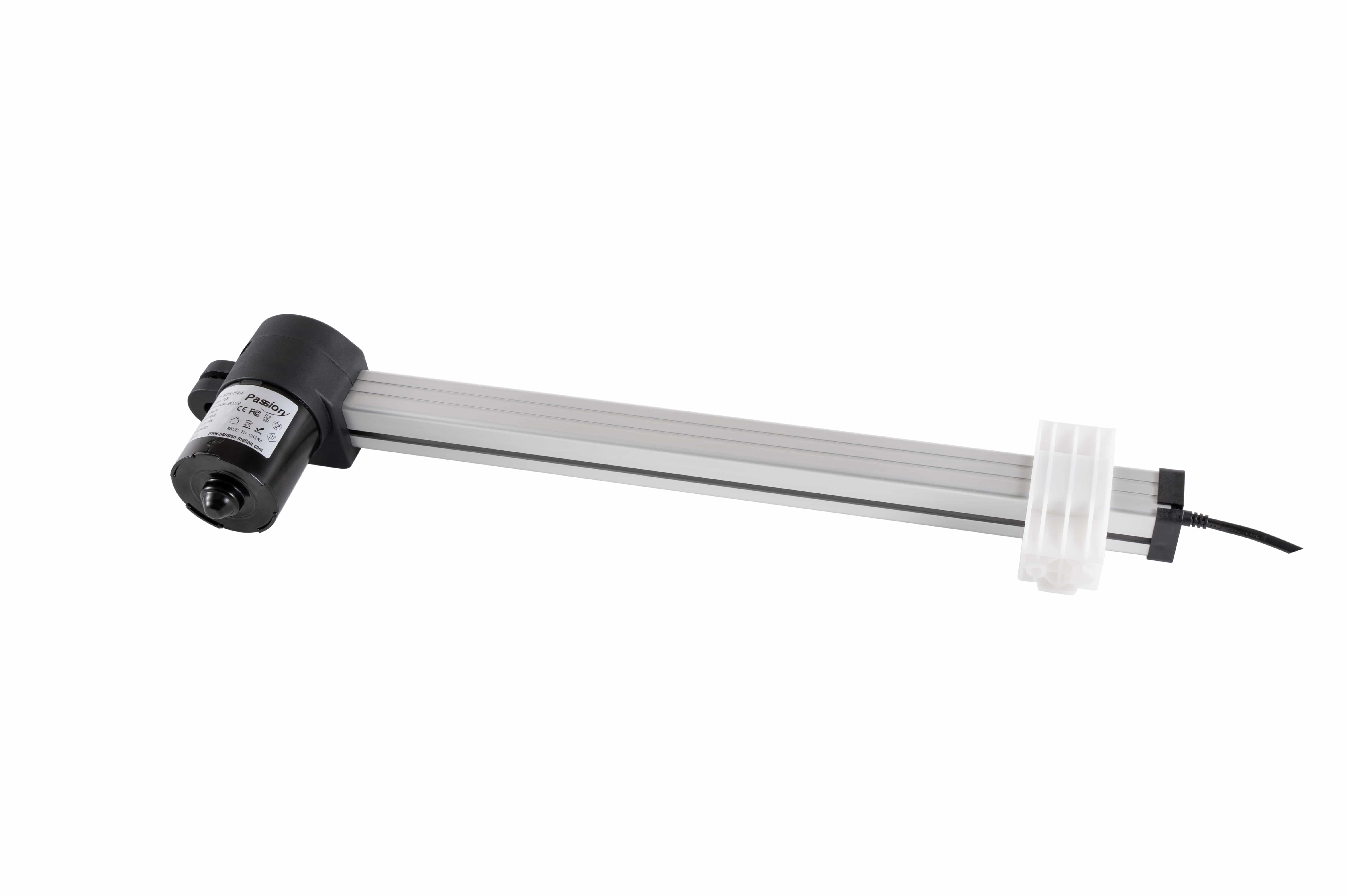
PT16 Linear Actuator
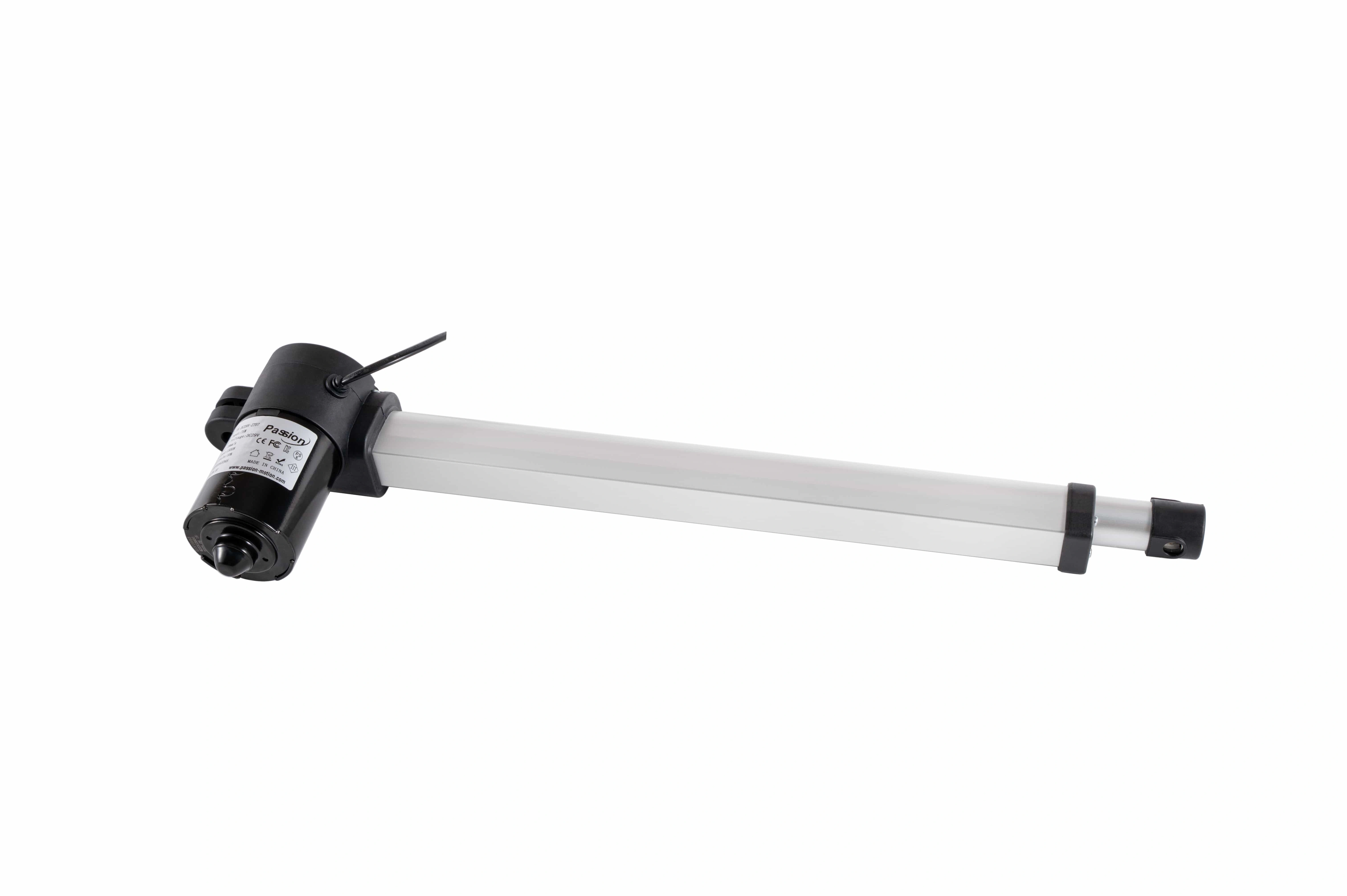
A 29V clevis-mount motion unit for projects needing up to 3,000 N published push, 6–50 mm/s speed and 10–1000 mm travel. Pin alignment, bracket spacing and the moving envelope matter as much as the headline force.
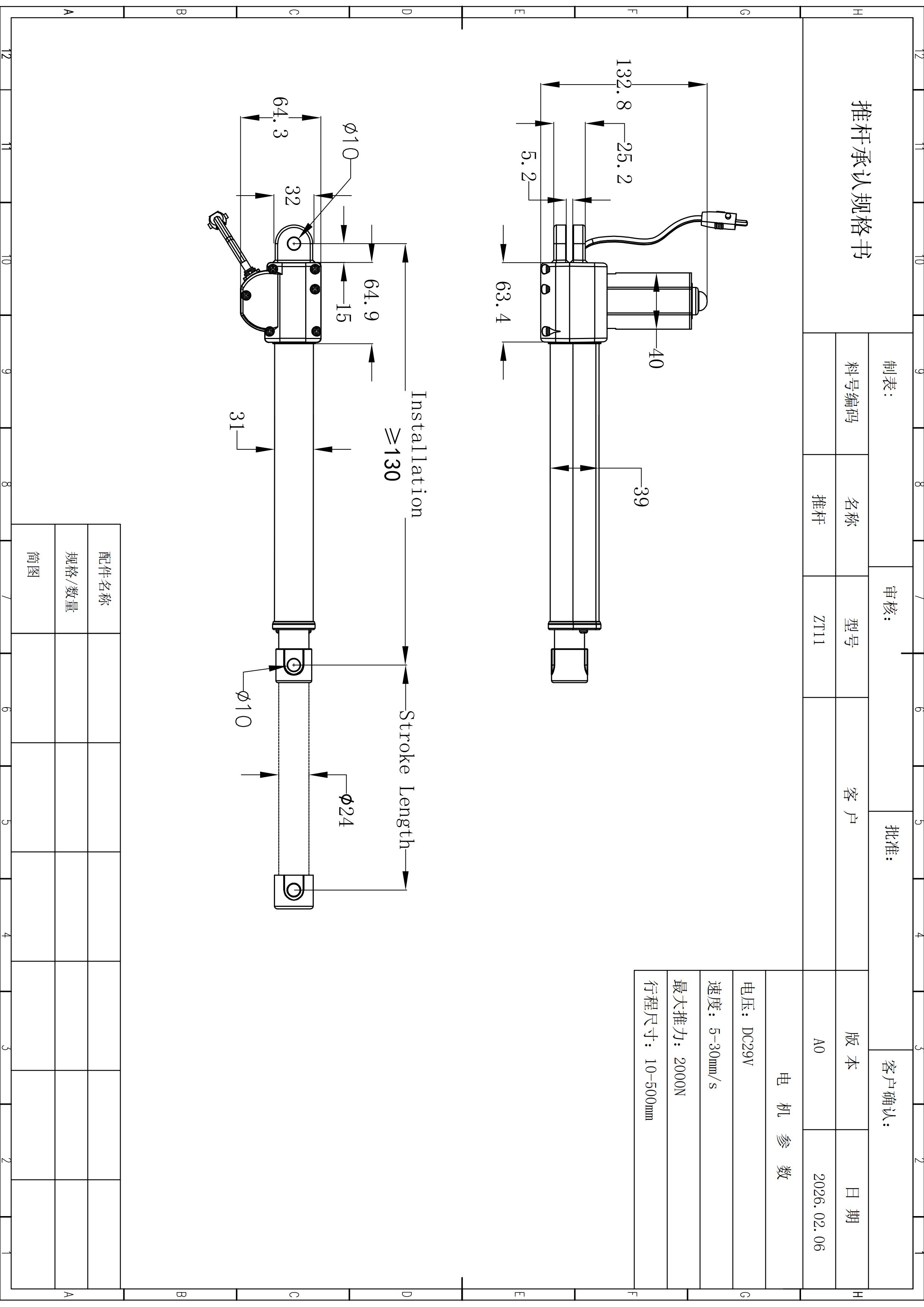
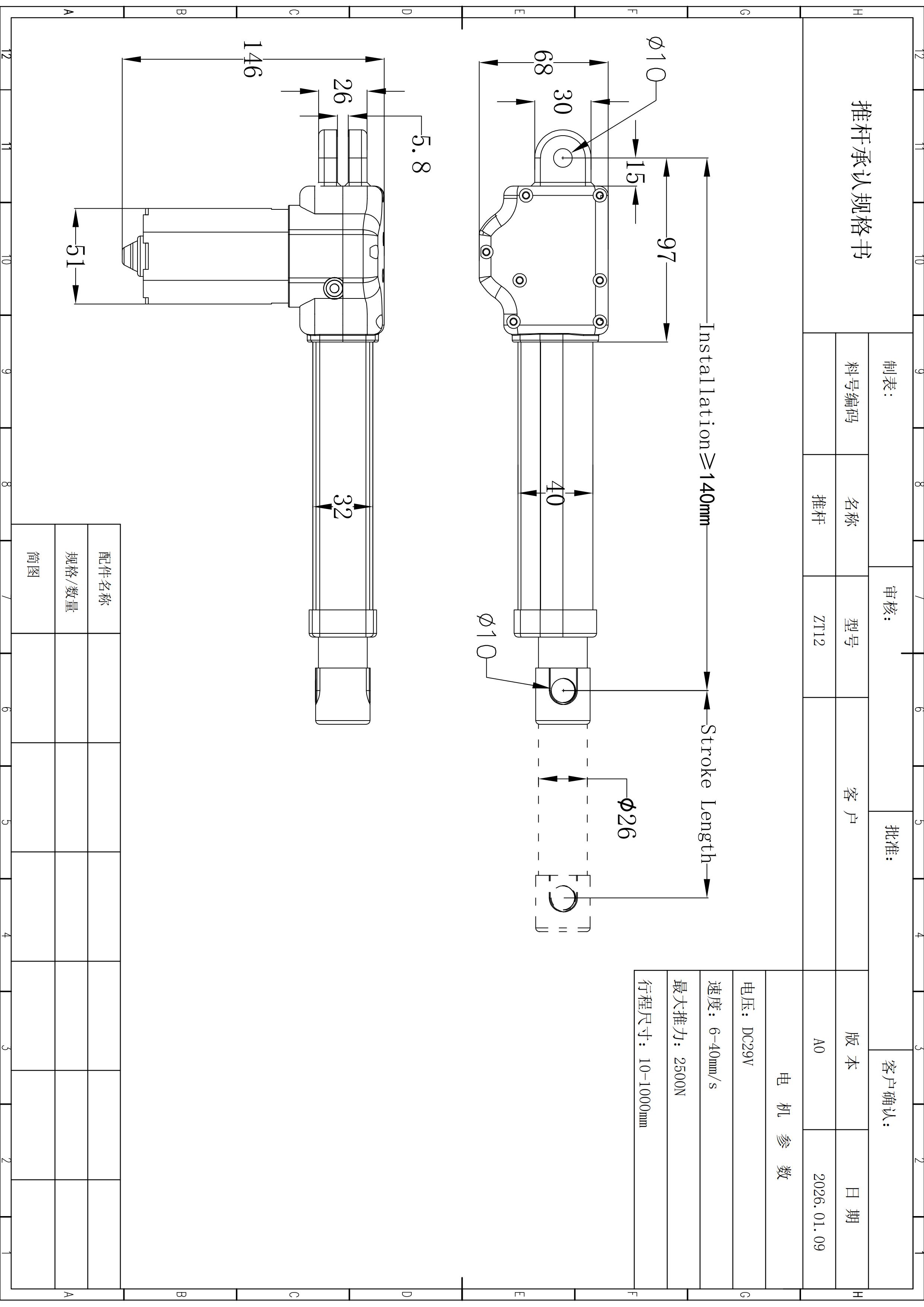
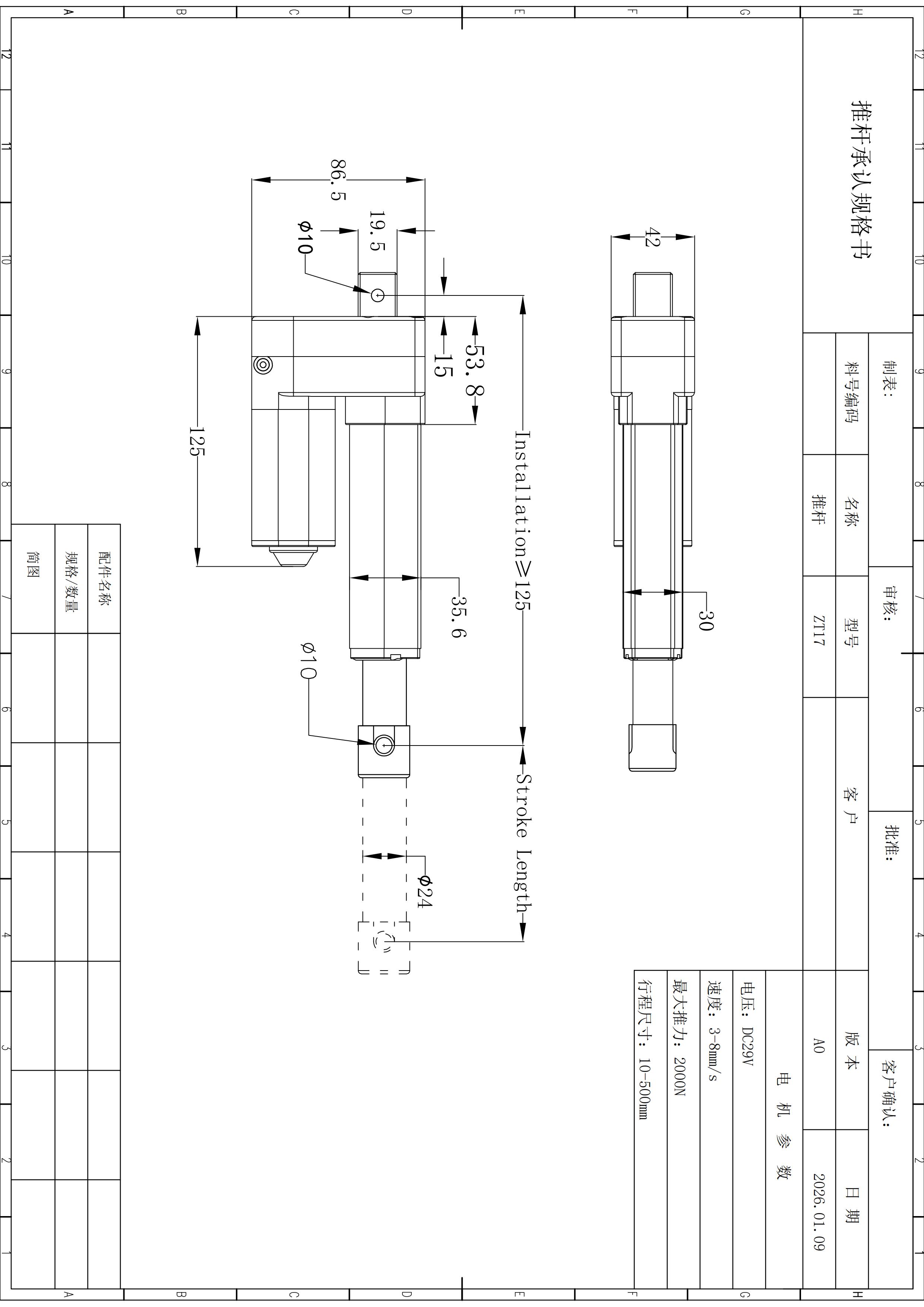
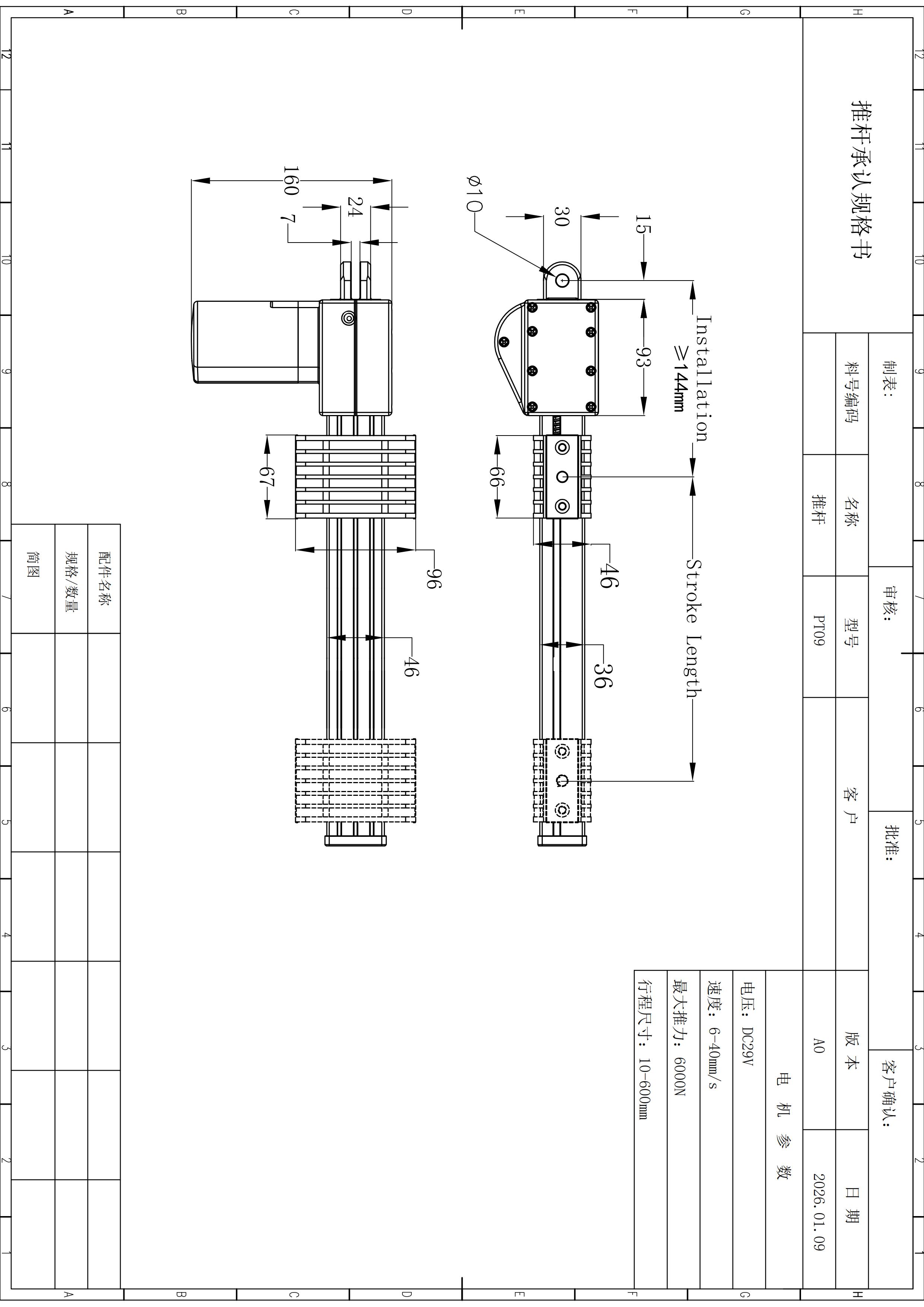
Confirm the Ø10 mm pin connection.
Check mating pin diameter, retention method, 40.6 mm clevis thickness and bracket spacing before release.
The clevis lab hands the active question directly into the specification evidence.
Switch Pin / Pivot / Envelope above. The corresponding specification row receives focus without hiding the rest of the table.
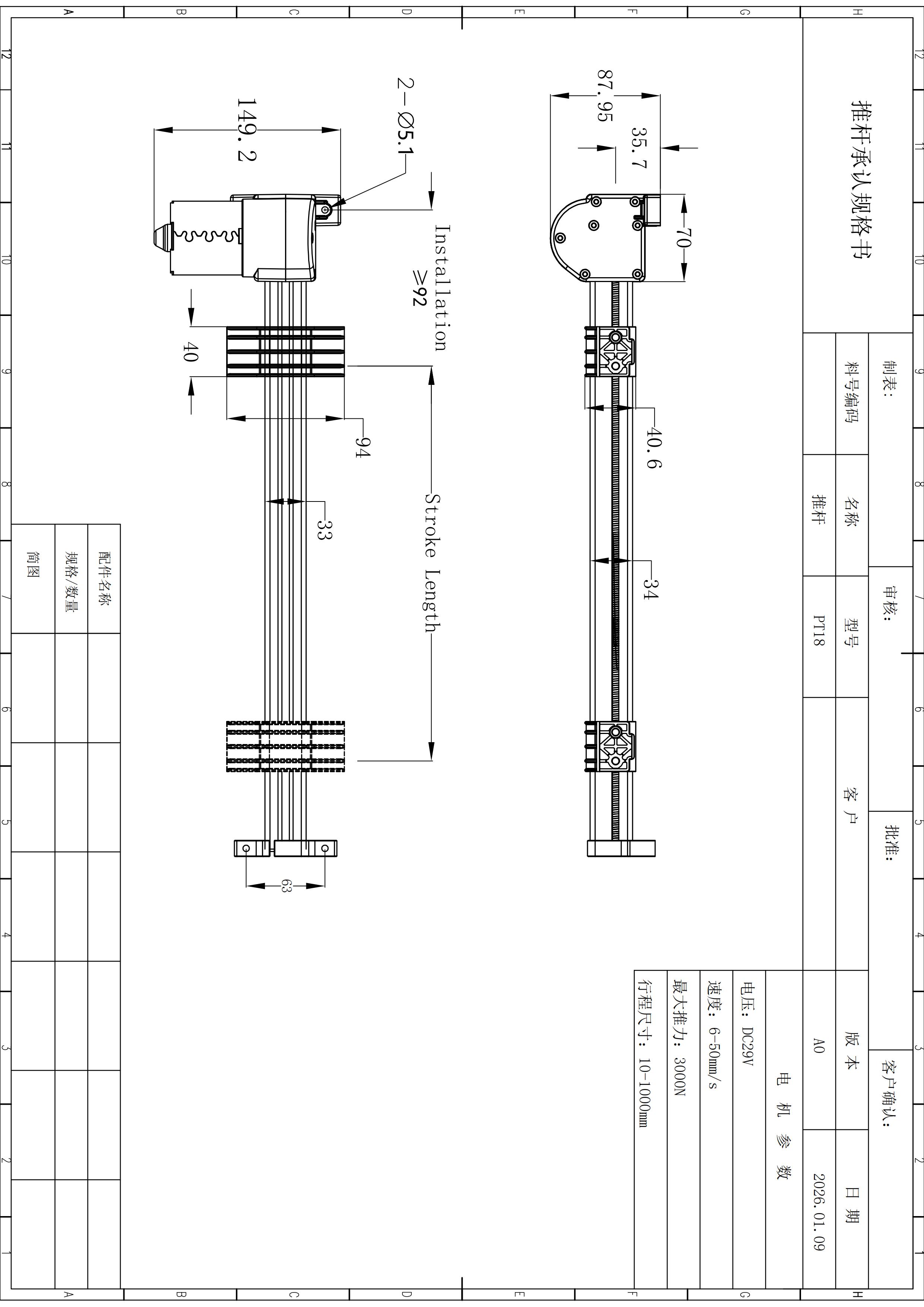
| Parameter | Published PT16 value | Selection note |
|---|---|---|
| Supply voltage | DC 29V | Confirm the project power architecture before release. |
| Maximum push | Up to 3,000 N | Maximum value; loaded operating point must be reviewed. |
| Speed | 6–50 mm/s | Published range; loaded speed is not defined by the local data. |
| Stroke | 10–1000 mm | Select travel together with installation geometry. |
| Duty cycle | 10% | The local source does not define the test time basis. |
| Minimum installation distance | ≥120 mm | Use as a preliminary fit reference. |
| Motor-side pin hole | Ø10 mm | Confirm mating pin, retention and bracket fit. |
| Clevis thickness | 40.6 mm | Confirm bracket spacing before release. |
| Motor body projection | 129.2 mm | Include in moving-envelope review. |
| Pin offset | 26.2 mm | Verify against the released drawing. |
| End bracket thickness | 5.2 mm | Preliminary interface reference. |
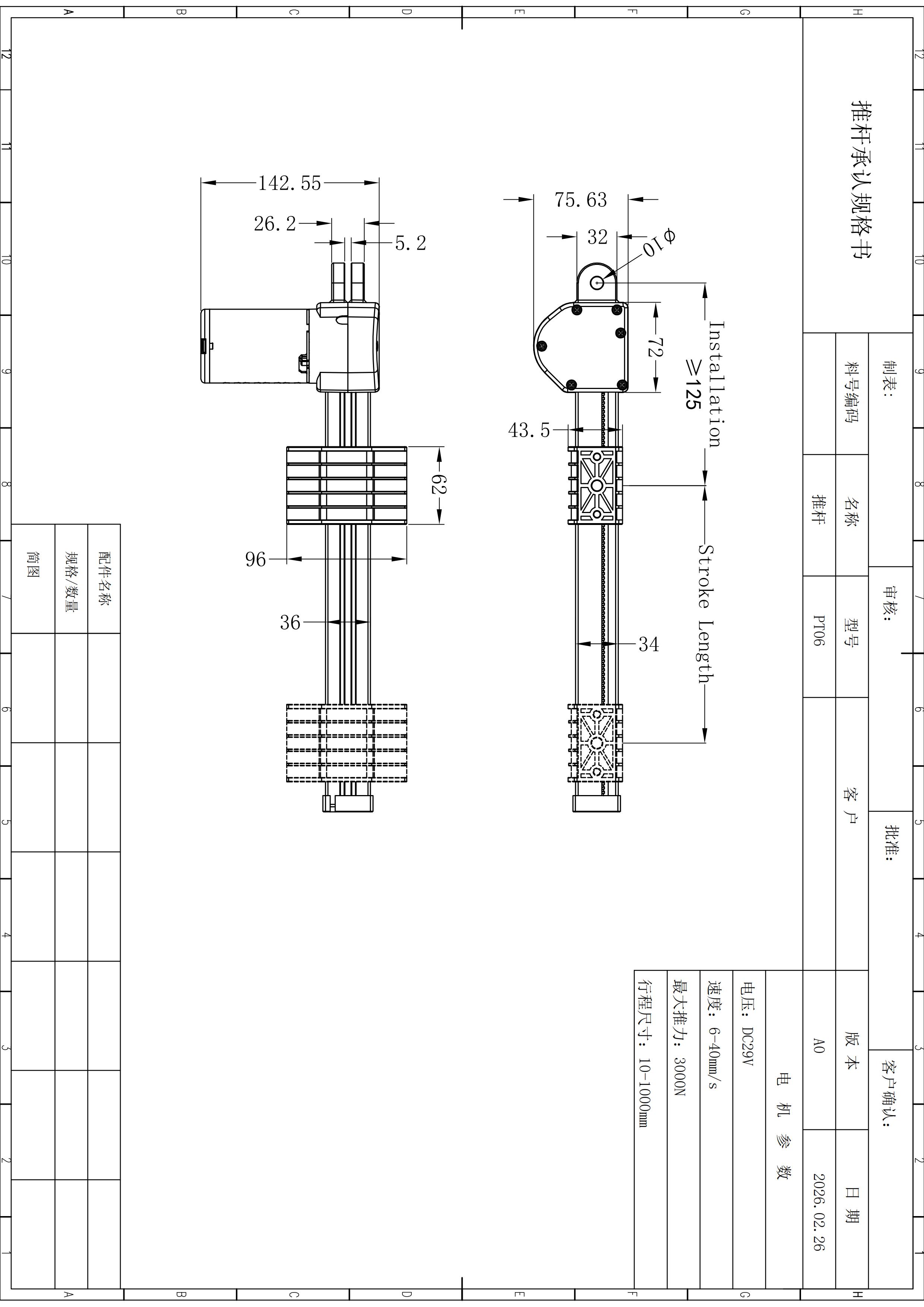
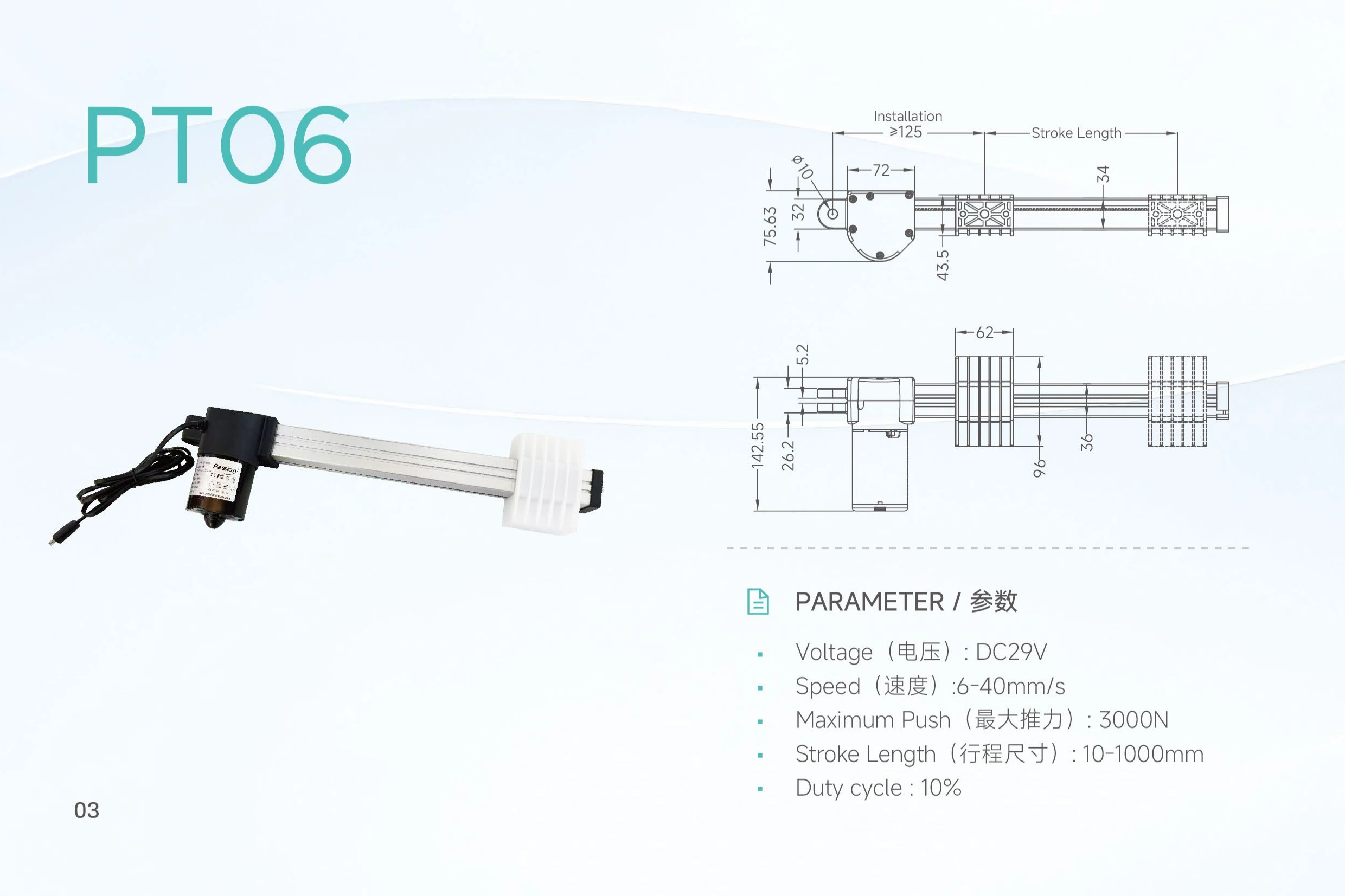
Select a mount reference and move the inspection focus across the drawing.
The focus ring is only a visual locator. Final bracket and machining decisions belong to the current released drawing.
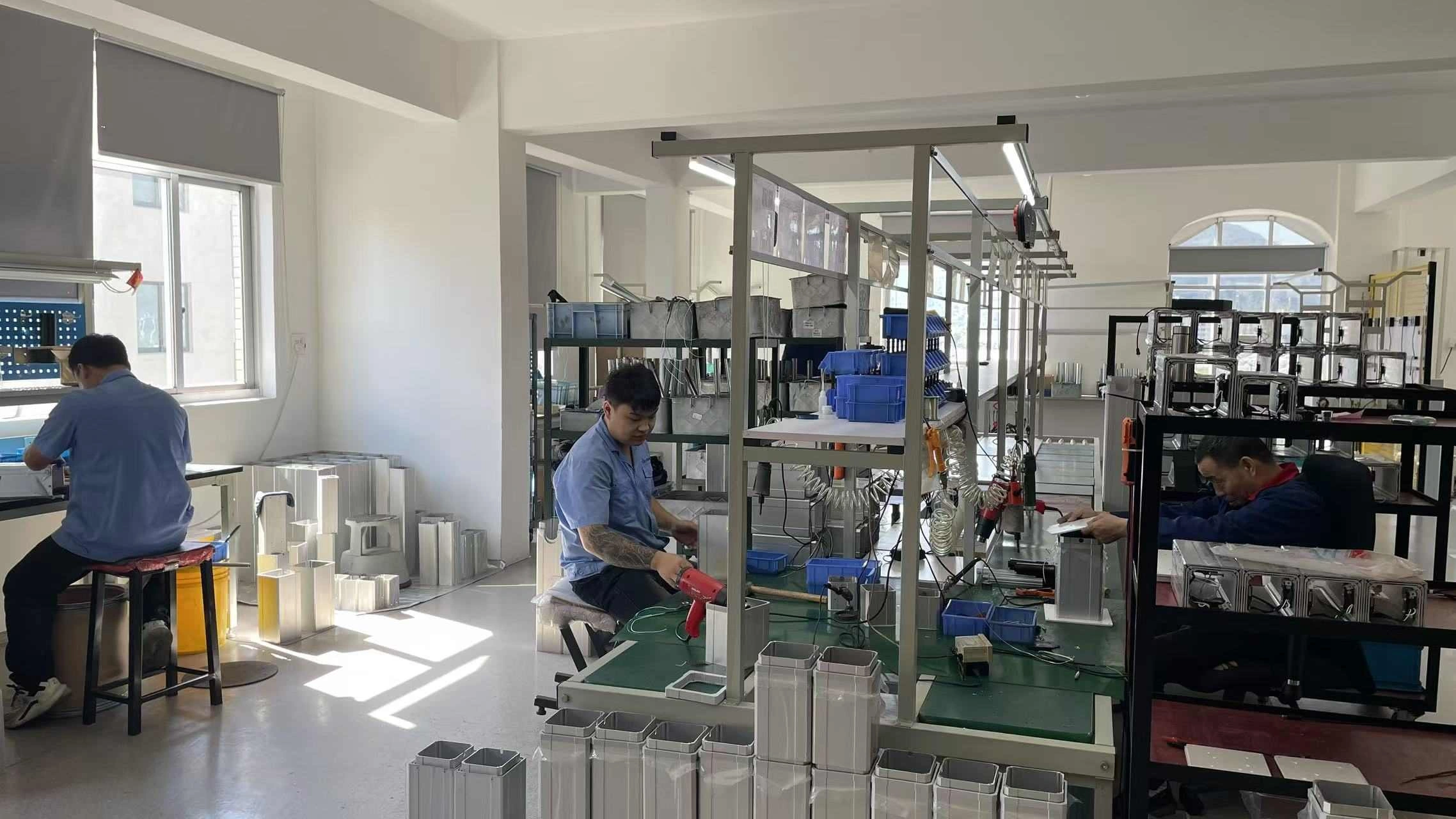
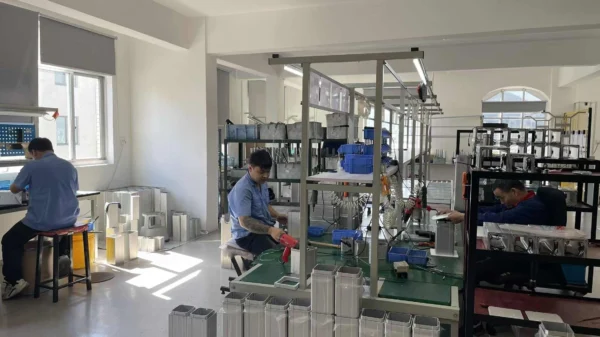
Separate visible factory context from controlled process evidence.
The first-party image shows a ServoCylMotion production environment. It does not by itself establish PT16-specific routing, tolerance capability or certification status.
Freeze the joint geometry after the operating point is known.
Send working load, loaded speed, exact stroke, pin / bracket geometry, moving envelope, duty pattern, environment, control requirements, quantity and document needs.
The clevis connection introduces geometry questions the headline specs cannot answer.
Use this page to screen the package; confirm operating point and controlled interfaces before release.
Can PT16 deliver 3,000 N at 50 mm/s?
The local data does not provide a force-speed table, so that combined point should not be assumed.
What stroke range is published?
The local PT16 record lists 10–1000 mm.
Is the Ø10 mm pin hole ready for bracket machining?
Use Ø10 mm as a preliminary interface reference. Final machining should follow a released drawing controlling tolerance, datum and retention details.
Does PT16 define allowable articulation angle?
The local source used for this page does not establish an articulation-angle or side-load limit. The interactive pivot view is illustrative only.