
Types of Linear Actuators: A Practical Engineering Classification
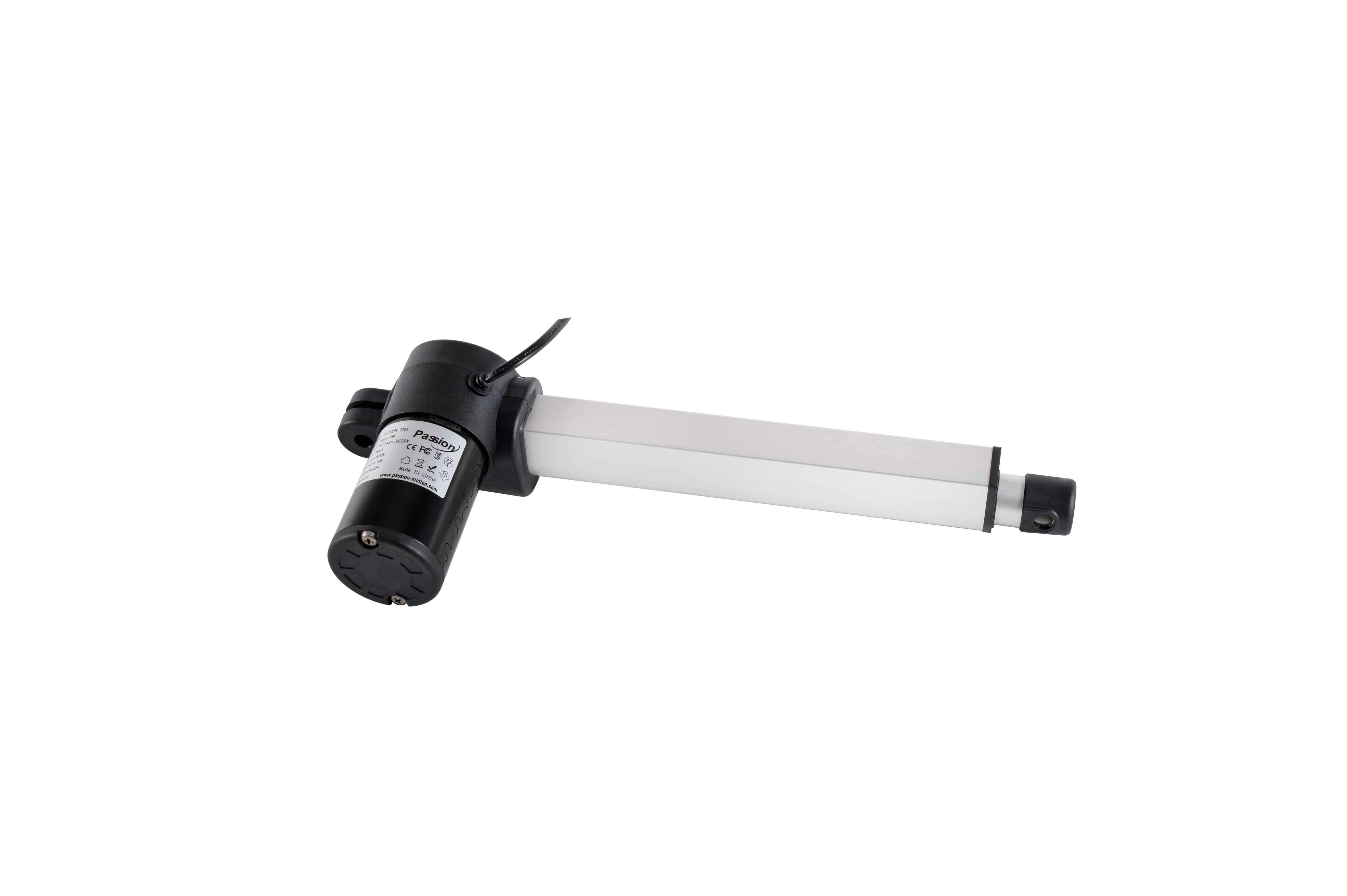
Compare types of linear actuators by power source, drive mechanism, architecture, force, speed, stroke, control, duty cycle, and environment.

Engineering guides for selecting, sizing and comparing electric linear actuators, screw drives and servo electric cylinders for OEM machinery and automation.
Compare types of linear actuators by power source, drive mechanism, architecture, force, speed, stroke, control, duty cycle, and environment.
Understand static load vs dynamic load, what dynamic loading means, and how motion, impact, vibration, and rating definitions affect actuator applications.
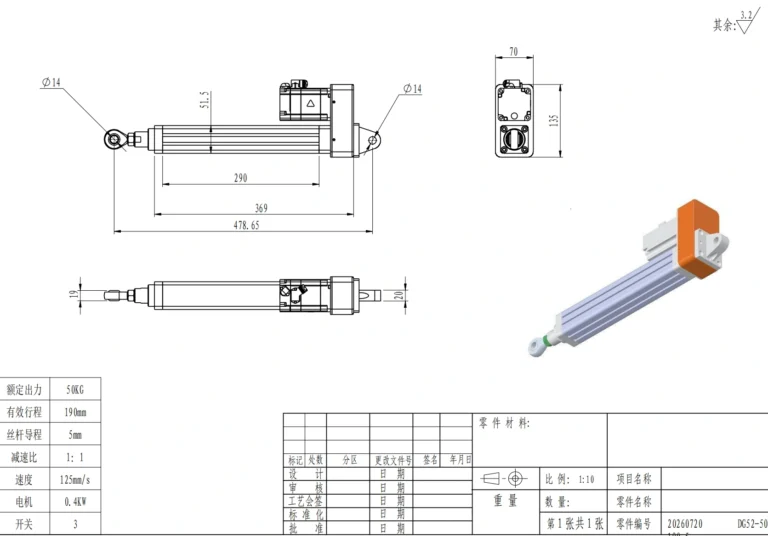
Compare servo and stepper linear actuator systems by feedback, speed-torque behavior, positioning, holding, heat, controls, and application fit.
Size a servo-driven rod axis by force, stroke, speed, duty cycle, screw lead, mounting, motor, drive, feedback, environment, and validation.
Use a requirements-first method to define load, force, stroke, speed, duty cycle, geometry, feedback, environment, controls, and validation before actuator selection.
Follow this linear actuator sizing guide to calculate force, apply a design margin, define speed and stroke, and prepare a clear actuator selection brief.
Compare electric, pneumatic and hydraulic actuators by control, force, speed, infrastructure, energy, maintenance, safety and application fit.
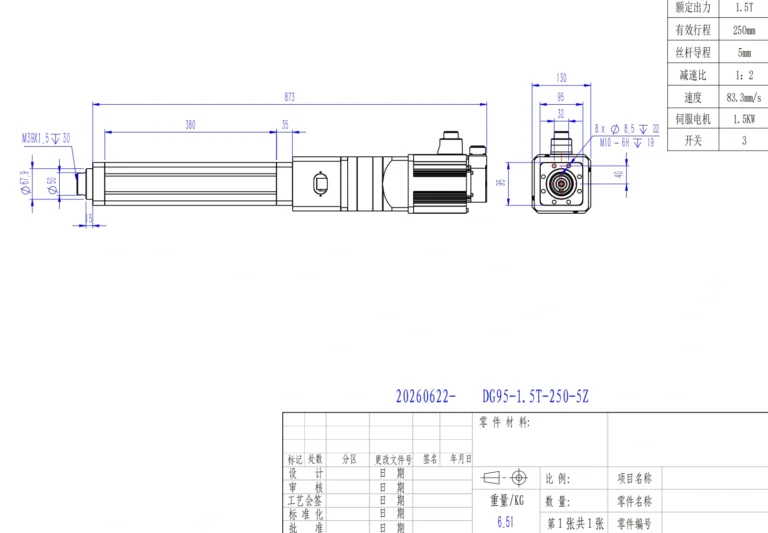
Select an electromechanical press axis by force profile, stroke, approach and working speed, repeatability, stiffness, load-cell feedback, duty cycle, safety, and validation.
Compare servo screw cylinders and packaged linear actuators by force, speed, duty, feedback, holding, mounting, and complete system needs.
Compare Acme, ball and roller screw designs by efficiency, load density, speed, precision, backdriving, life, maintenance and total system cost.